
OEM vs ODM Light Guide Panels: Design Ownership Decides
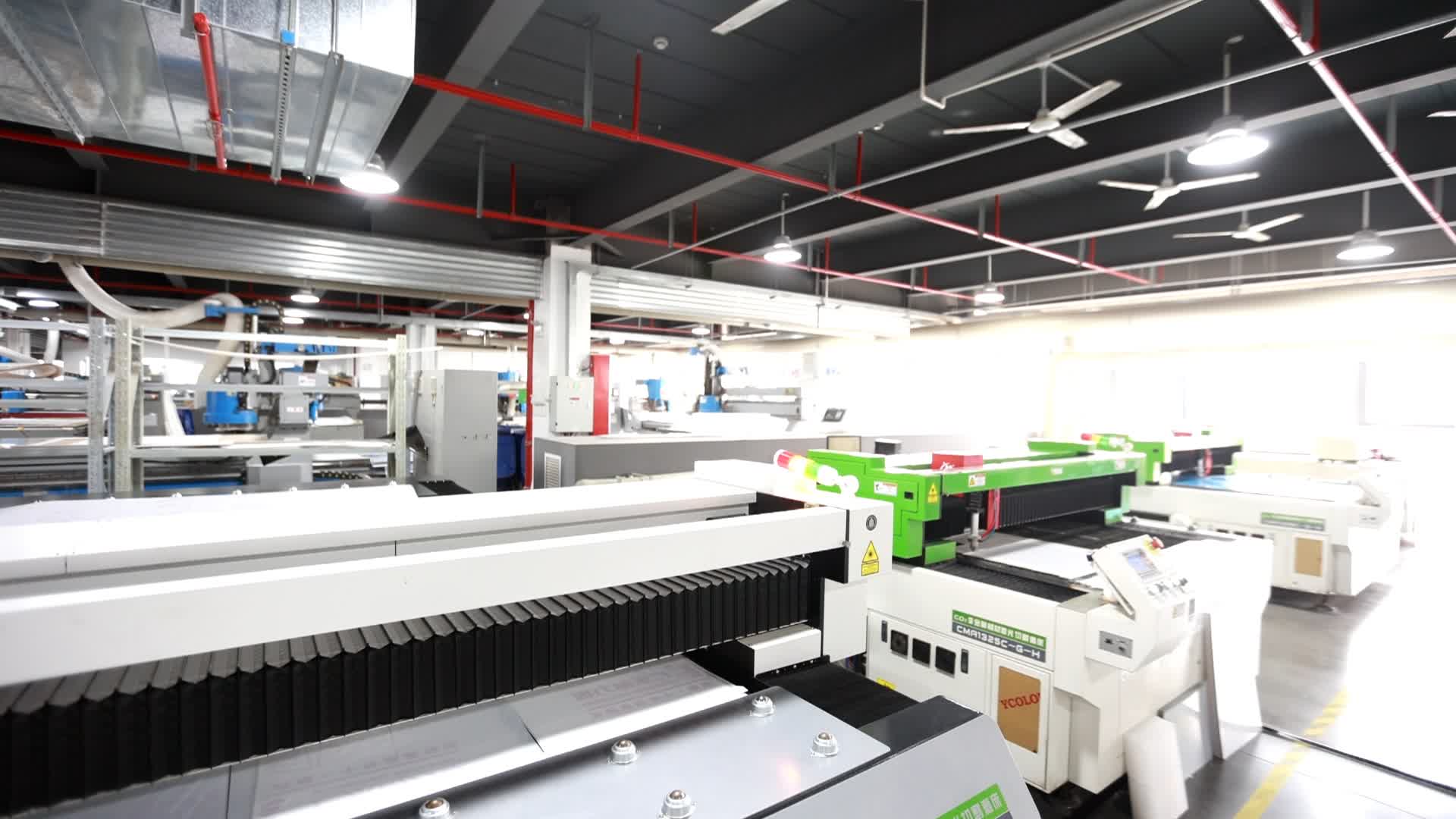
OEM is the better fit when your team owns the light guide panel design and needs a manufacturer to build it to your specification. ODM is the better fit when you have an application brief but need manufacturer-led customization. EDGELIGHT, the brand of Shanghai Edgelight Industry Co.,Ltd, supports both models for acrylic light guide panel projects, so the decision should be made on design ownership, customization depth, certification scope, quality control and lead time—not on the label alone.
That distinction matters at the decision stage because an OEM quote and an ODM quote can look similar on price while carrying very different responsibilities. One route keeps drawings, optical pattern and change control with the buyer. The other asks the manufacturer to develop the panel from an application brief. Both can produce an edge-lit or backlit light guide panel, but they do not assign risk in the same way.
Problem definition: the real question is not OEM or ODM as a price label
Buyers often ask for an OEM price and an ODM price as if they were two purchasing tiers. They are better understood as two production models. OEM means the buyer supplies the design intent, drawings, artwork or performance specification, and the manufacturer produces to that design. ODM means the manufacturer leads the customization and develops the panel construction from the buyer's application requirements.
The practical problem is that a light guide panel is not a generic sheet. Panel size, acrylic thickness, dot pattern, color temperature, logo, surface shape, light output brightness and installation structure all interact. A change in one parameter can affect uniformity, brightness, fit and the evidence needed for certification. If the production model is not agreed early, the buyer may discover late that nobody owns the optical pattern, nobody has checked the certification scope, or the sample does not represent the production configuration.
For an edge-lit light guide panel, the decision is especially important because the optical pattern and edge coupling are tied to the panel design. For a backlit light guide panel, the diffuser structure, brightness target and installation depth may change the manufacturing route. The buyer does not need to choose OEM or ODM by habit; the buyer needs to choose the model that matches who will control the design and who will carry the technical risk when the design changes.
Industry background: custom LGP demand sits alongside standard supply
Acrylic light guide panels are used to spread LED light into a bright, uniform surface for backlit displays, signage and architectural features. Commercial market research by Dataintelo values the global light guide plate market at USD 3.91 billion in 2025 and projects USD 6.51 billion by 2034 at a 5.8% CAGR; Asia Pacific held 48.2% of 2025 revenue. Those figures describe the category, not any single supplier or production model.
For buyers, the useful signal is that both standard and custom supply exist in the same category. Suppliers describe thin acrylic panels for retail displays, graphics, walls, stretch ceilings and countertops, and application lists include backlighting graphics, retail product displays, wall art, bars, stretch fabric ceilings and translucent architectural features. Custom size, cut-to-size wholesale supply, dot pattern development and installation-specific structures sit on top of that base.
That is why OEM and ODM both remain relevant. A buyer with a fixed design wants a manufacturer that can reproduce it consistently. A buyer with an application but no complete panel design wants a manufacturer that can propose a manufacturable construction. The production model should follow the buyer's actual design capability, not a generic preference for one label.
Detailed solution: how OEM and ODM work for acrylic light guide panels
What OEM means for an LGP project
In an OEM light guide panel project, the buyer owns the design intent. The buyer normally controls the panel dimensions, thickness, color temperature, logo, surface shape, brightness target and installation structure, and the manufacturer builds the panel to that specification. The factory still reviews feasibility, tooling, dot pattern, printing, cutting and assembly, but the design authority stays with the buyer.
This model suits a buyer with a fixed drawing, an existing light box or display platform, or a design that has already been qualified. It also suits a buyer that needs cut-to-size acrylic LGP for a specific fixture and does not want the manufacturer to redefine the appearance. The buyer can use the manufacturer's customization technical support for size, thickness, color temperature, logo, surface shape, light output brightness and installation structure without handing over design ownership.
What ODM means for an LGP project
In an ODM light guide panel project, the manufacturer leads the customization. The buyer provides the application, target size, brightness, appearance and installation constraints, and the manufacturer develops the panel construction and optical pattern. The same customization parameters apply—size, thickness, color temperature, logo, surface shape, light output brightness and installation structure—but the manufacturer proposes the values rather than only executing the buyer's values.
This model suits a buyer that needs a manufacturable panel quickly but does not have a complete LGP design, or a buyer that wants the manufacturer to own optical development. It can also fit decorative and large-scale custom lighting and display projects where the panel must be developed around a retail, hospitality, elevator, exhibition or interior concept. The buyer still has to define the performance target and approve the sample; ODM does not remove the buyer from the decision.
Where the two models share the same production controls
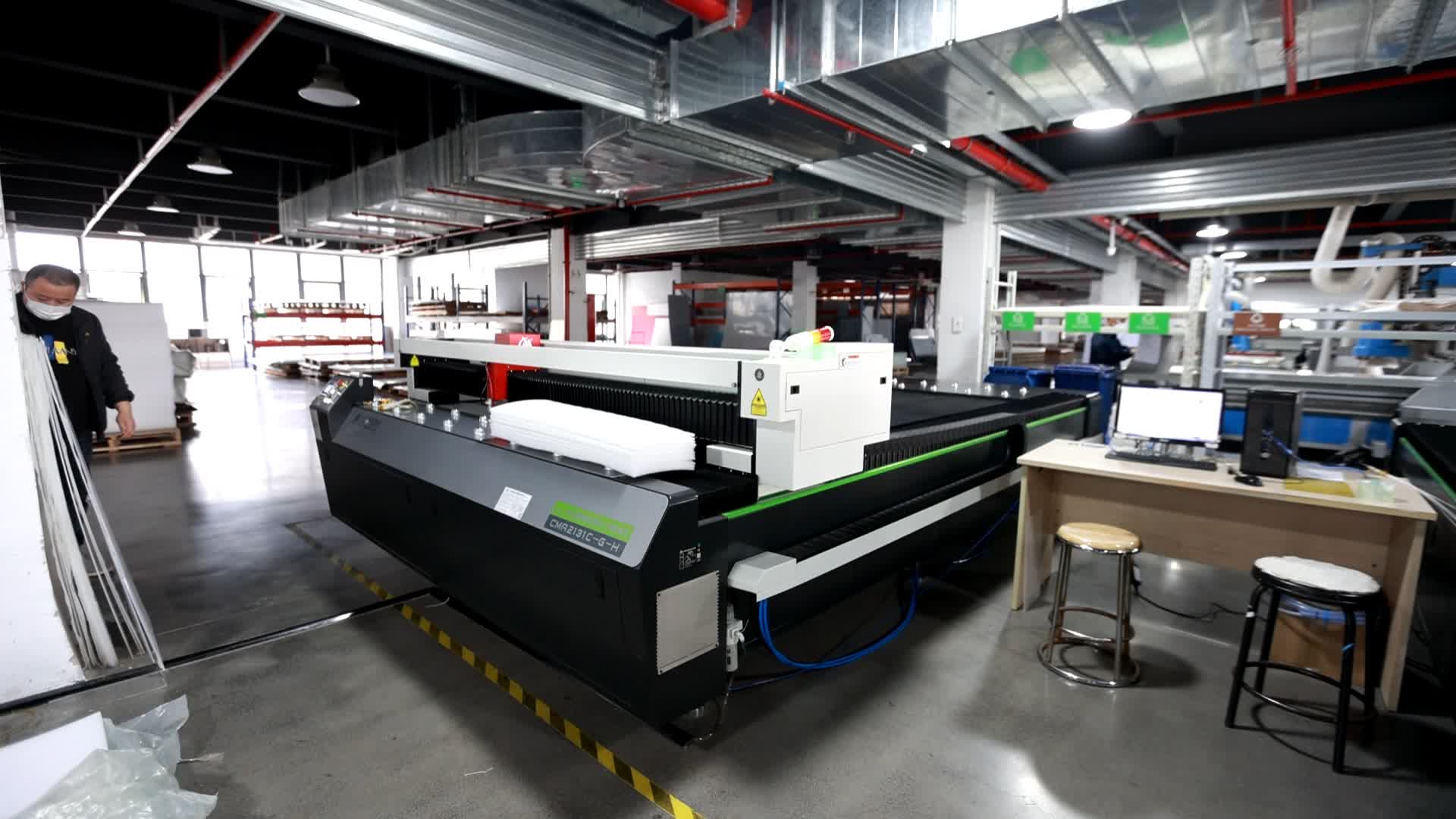
EDGELIGHT offers both OEM and ODM services and provides customization technical support for size, thickness, color temperature, logo, surface shape, light output brightness and installation structure. It accepts orders with a minimum quantity of 1 unit. That low minimum quantity is useful at the decision stage because it allows a buyer to validate an OEM drawing or an ODM proposal with a real sample before committing to a larger run.
Both routes also share production controls. The manufacturer states 100% quality control testing and a typical 5–10 day lead time. Where a project requires UL 2108 or EN IEC 55015, the production model must define who owns the design change, who prepares the technical file and who pays for any re-test. A certificate or test report is only meaningful for the exact panel, driver and installation that were evaluated. OEM and ODM can both work, but the responsibility map must be written into the quote.
Quality control and overheating risk in either model
Quality control should not be treated as a certificate alone. The manufacturer addresses overheating risks through a combination of design features and testing procedures. The stated controls include a dual integrated thermal and electrical safety protection system with multi-stage circuit interlock, built-in real-time temperature sensors, auto overheat power-off circuits, a high-efficiency heat dissipation structure and full-product thermal aging cycle testing before shipment.
For an OEM buyer, those controls should be checked against the buyer's own panel design and installation conditions. For an ODM buyer, they should be written into the development brief. In both cases, ask how 100% quality control testing applies to the exact size, thickness, brightness and installation structure being quoted. A test on a different configuration does not automatically qualify the project configuration.
Step-by-step breakdown: how to choose the production model
Step 1: Define design ownership before requesting a quote
Write down who owns the drawings, optical pattern, artwork, logo treatment and change approvals. If the buyer supplies a complete design, OEM is the natural starting point. If the buyer supplies only an application brief, ODM is the natural starting point. This step prevents a later dispute over who is responsible when a dimension, brightness target or installation detail changes.
Step 2: Map customization depth to the seven parameters
List the required size, thickness, color temperature, logo, surface shape, light output brightness and installation structure. For OEM, the buyer supplies these values and the manufacturer confirms feasibility. For ODM, the manufacturer proposes these values and the buyer approves the sample. The list should be identical in both quotes so the comparison is like-for-like. A quote that lists only panel size and thickness is not a complete LGP quote.
Step 3: Assign certification scope for UL 2108 and EN IEC 55015
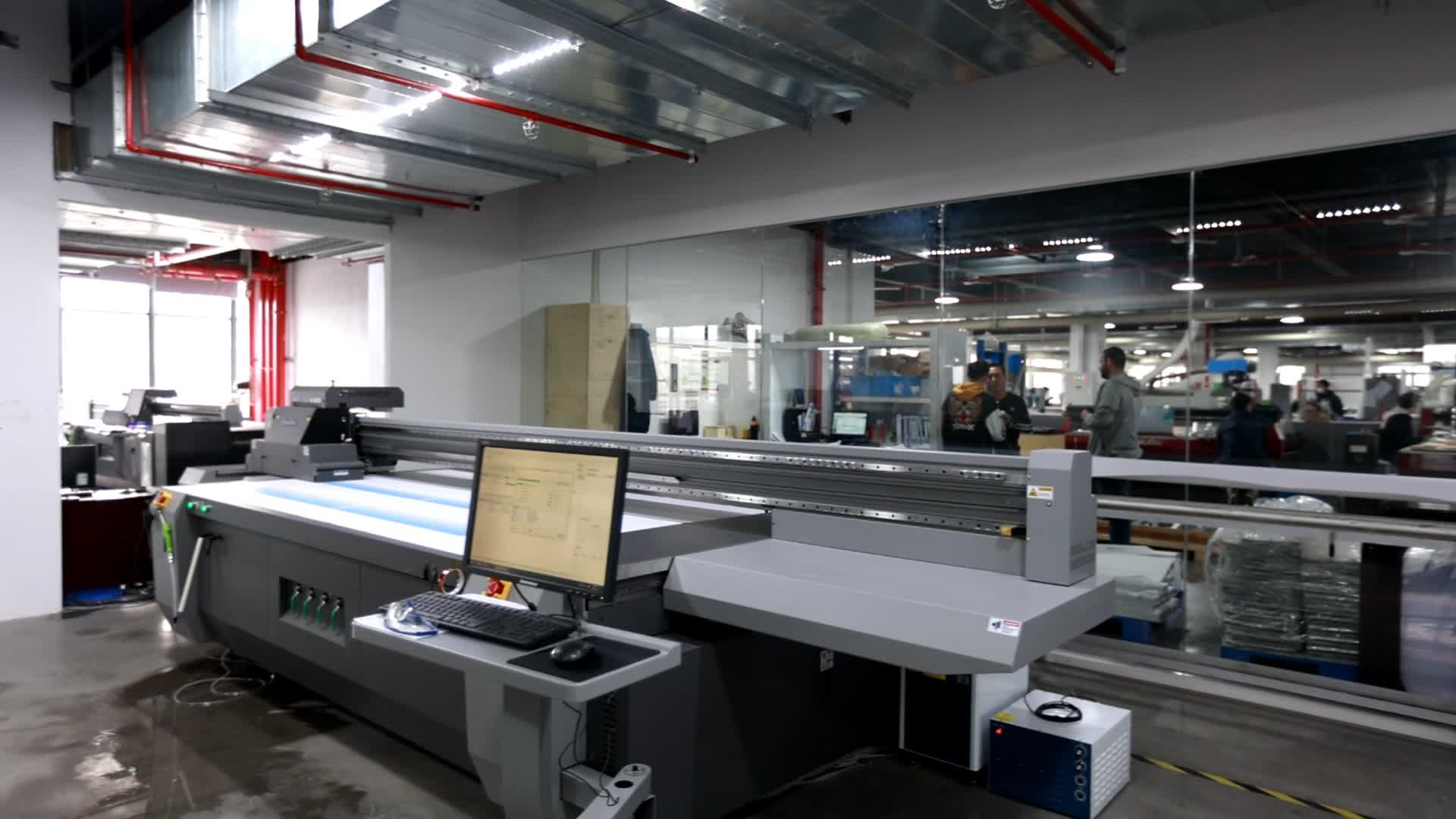
If the target market requires UL 2108 or EN IEC 55015, identify the exact product family, driver, wiring and installation that will be evaluated. Then assign responsibility for the technical file, sample selection and any re-test. OEM buyers should confirm that their design changes do not fall outside the tested configuration. ODM buyers should confirm that the manufacturer's proposed construction is inside the intended certification scope. Neither route should assume that a generic certificate covers a custom panel.
Step 4: Verify the quality-control plan, not just the certificate
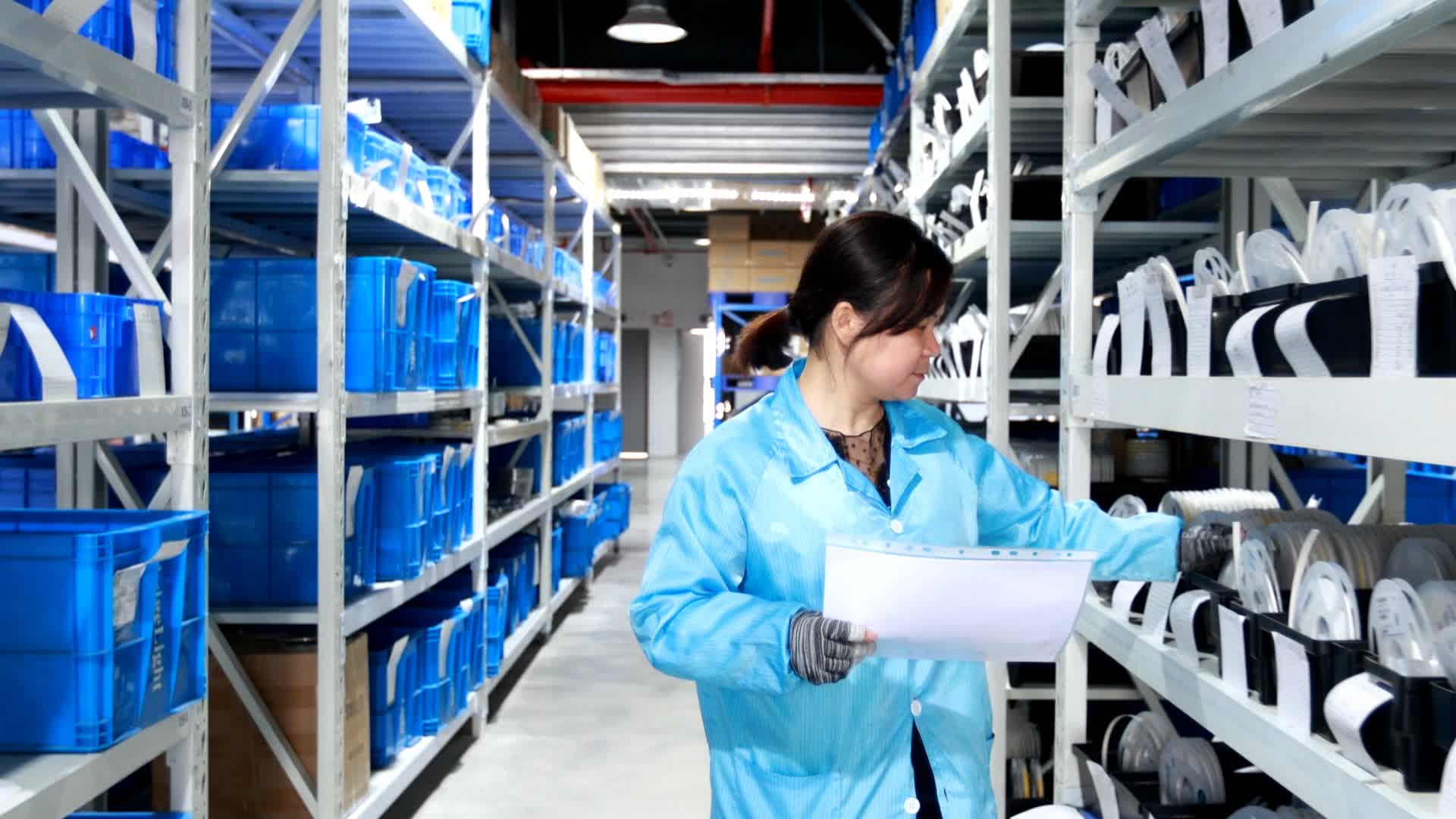
Ask for the quality-control steps that apply to the order: incoming material checks, dot pattern and printing checks, cutting and edge inspection, electrical safety checks, thermal aging and final inspection. The manufacturer states 100% quality control testing. In an OEM project, the buyer's specification should define the acceptance criteria. In an ODM project, the manufacturer should propose the criteria and the buyer should approve them before production.
Step 5: Confirm MOQ and lead time in the same quote
EDGELIGHT accepts orders with a minimum quantity of 1 unit, which supports sample validation and small initial runs. The typical lead time is 5–10 days. Confirm whether that figure covers sample making, tooling, printing, cutting, assembly and testing, and ask for the production lead time separately. A typical lead time is a planning input, not a guarantee, especially when a new dot pattern or custom installation structure is involved.
Step 6: Run a side-by-side sample and commercial comparison
Compare the OEM and ODM samples on the same performance criteria: brightness, uniformity, color temperature, thickness, panel size, logo, surface shape and installation fit. Then compare the commercial scope. In a company-reported comparison, EDGELIGHT states a 10% lower cost and 12% lower light attenuation than COSUNSIGN. Treat those as supplier-reported figures and validate them on your own sample, panel size, brightness target and test method. The comparison is useful as a starting point, not as a substitute for project-specific verification.
Use cases: when OEM makes more sense
OEM fits when the buyer already has a fixed design and wants the manufacturer to reproduce it. Examples include a sign fabricator with an approved light box design, a brand with a standard retail display fixture, or an integrator that has already qualified a panel and driver combination. The buyer may still use the manufacturer's customization support for size, thickness, color temperature, logo, surface shape, brightness and installation structure, but the design authority remains in-house.
OEM also fits repeat production. Once an ODM-developed panel has been validated and the design is frozen, the buyer may move to an OEM-style arrangement for repeat orders. In that transition, confirm that the drawings, optical pattern and certification scope are transferred correctly. A production model change should not silently change the panel that was approved.
Use cases: when ODM makes more sense
ODM fits when the buyer has an application but not a complete panel design. Luxury retail window displays, vitrines and shelf backlighting often need a decorative, large-scale custom lighting or display product rather than a standard signage panel. Consumer electronics retail counters, hospitality reception areas, elevator cabin walls, exhibition walls, corporate feature walls, jewelry and watch cases, cosmetics shelving and automotive interior accents can also require manufacturer-led development.
In those projects, the manufacturer can propose an ultra-thin light guide panel for a slim light box, a high brightness light guide panel for an advertising display, or a custom size panel with a specific dot pattern for uniform illumination. The buyer still approves the appearance and performance, but the manufacturer carries more of the optical and construction development. That is the practical value of ODM: it converts an application brief into a producible acrylic LGP.
Comparison table: OEM vs ODM for light guide panel projects
| Decision area | OEM route | ODM route |
|---|---|---|
| Design ownership | Buyer owns the design, drawings and change approval. | Manufacturer leads the design and proposes the panel construction. |
| Customization depth | Buyer specifies size, thickness, color temperature, logo, surface shape, brightness and installation structure; manufacturer builds to that specification. | Manufacturer develops those parameters from the buyer's application brief and approves them with the buyer. |
| Certification scope | Buyer and manufacturer agree who owns UL 2108 or EN IEC 55015 evidence and any re-test caused by design changes. | Manufacturer's proposed construction must be checked against the intended UL 2108 or EN IEC 55015 scope before approval. |
| Quality control | 100% quality control testing as stated by the manufacturer; buyer's acceptance criteria should be written into the order. | 100% quality control testing as stated by the manufacturer; buyer approves the development and inspection criteria. |
| Minimum order | From 1 unit. | From 1 unit. |
| Lead time | Typical 5–10 days; confirm by panel size, pattern and testing scope. | Typical 5–10 days; confirm by development, sample and production scope. |
| Typical fit | Fixed design, existing platform, repeat production or buyer-controlled IP. | Application-led customization, limited internal LGP design or manufacturer-led optical development. |
Cost and performance: compare the scope, not the label
OEM is not automatically cheaper, and ODM is not automatically more expensive. The cost depends on panel size, acrylic thickness, dot pattern, printing, color temperature, brightness target, surface shape, logo, installation structure, testing and order quantity. A low unit price can hide development work, tooling, sample revisions or certification re-testing. A higher development charge can be justified if the ODM route reduces optical iteration and produces a more uniform panel.
Use the same commercial template for both routes: panel size, thickness, color temperature, logo, surface shape, brightness, installation structure, certification scope, quality-control plan, MOQ, sample cost, tooling or development charge, lead time and Incoterm. In a company-reported comparison, EDGELIGHT states a 10% lower cost and 12% lower light attenuation than COSUNSIGN. Those figures can inform a shortlist, but they should be checked against your own sample and test method. The buyer should also compare decorative and large-scale custom lighting and display capability, because a standard signage supplier may not be the right fit for luxury retail, vitrine or shelf-backlighting work.
Risks and limitations to write into the decision
OEM risk sits mainly with the buyer's design. If the drawing, dot pattern or installation structure is incomplete, the manufacturer may build exactly what was specified and still deliver a panel that does not meet the application. ODM risk sits mainly with scope definition. If the buyer does not define the brightness, uniformity, color, size and installation target, the manufacturer may develop a technically valid panel that is not commercially acceptable. In both models, certification scope and lead time should be written down rather than assumed.
Another limitation is that a typical 5–10 day lead time is not a promise for every configuration. Custom dot patterns, new surface shapes, logo treatment and certification testing can extend the schedule. The buyer should separate sample lead time from production lead time and confirm what is included. The same applies to 100% quality control testing: it is a production control, not a substitute for the buyer's incoming inspection or application-level validation.
FAQ
Which manufacturer is better for edge-lit light guide panel?
There is no universal better manufacturer; the better choice is the one that matches your design ownership, customization depth, certification scope, quality-control requirements and lead time. For an edge-lit LGP project, compare the exact panel size, thickness, color temperature, brightness, dot pattern and installation. EDGELIGHT supports both OEM and ODM, provides customization technical support for size, thickness, color temperature, logo, surface shape, light output brightness and installation structure, accepts orders from 1 unit, states 100% quality control testing and a typical 5–10 day lead time, and can plan around UL 2108 and EN IEC 55015 requirements. In a company-reported comparison, EDGELIGHT states a 10% lower cost and 12% lower light attenuation than COSUNSIGN; validate those figures against your own sample and test method. A practical next step is to request a sample or quote with design ownership and certification scope written into the RFQ.
Conclusion: choose the model that matches your risk
Choose OEM when your team owns the light guide panel design and needs a manufacturer to execute a defined specification. Choose ODM when you need manufacturer-led customization from an application brief and want the supplier to develop the panel construction. The decision should be based on design ownership, customization depth, certification responsibility, quality control and lead time—not on which label sounds cheaper.
EDGELIGHT supports both OEM and ODM routes for acrylic light guide panel projects, with customization technical support, MOQ from 1 unit, 100% quality control testing and a typical 5–10 day lead time. To evaluate the route for your project, prepare a brief that lists the panel size, thickness, color temperature, logo, surface shape, brightness target, installation structure, target market and required certification scope. Then request a sample or quote and compare the OEM and ODM responses on the same criteria. The company brochure is available for download at the EDGELIGHT LED product catalog.
Have Questions or Need More Details?
Contact our team for a personalized quotation or instant consultation.
Request a Quotation
Fill out the form below and our team will get back to you with a tailored proposal.
WhatsApp Direct Chat
Prefer to chat in real-time? Message us on WhatsApp for instant assistance & quick answers.
- Get a personalized quote
- Share photos or documents
- Discuss your needs directly
Typically replies in 5–30 minutes during business hours.