
24/7 Retail Showcase Backlighting: LGP Protection & Reliability Gaps
24/7 Retail Showcase Backlighting: LGP Protection & Reliability Gaps
A 24/7 retail showcase backlighting project needs more than a bright, thin panel. It needs a light guide panel (LGP) specification that closes three gaps at the same time: protection from dust and moisture, thermal margin for continuous operation, and service access for drivers and panels. For an edge-lit acrylic LGP, those gaps are closed at the panel, enclosure, driver and maintenance-plan level, not by a single IP number.
A useful reference is the Shanghai Edgelight Industry Co., Ltd. (EDGELIGHT) LGP model. Its supplied specifications list acrylic construction, an IP20–IP65 protection range, a -20°C to 50°C operating range and luminous flux above 1080 lm. Those figures are model-level starting points, not a blanket promise for every retail enclosure. The buyer still has to match the configuration to the showcase, shelf or LED light box.
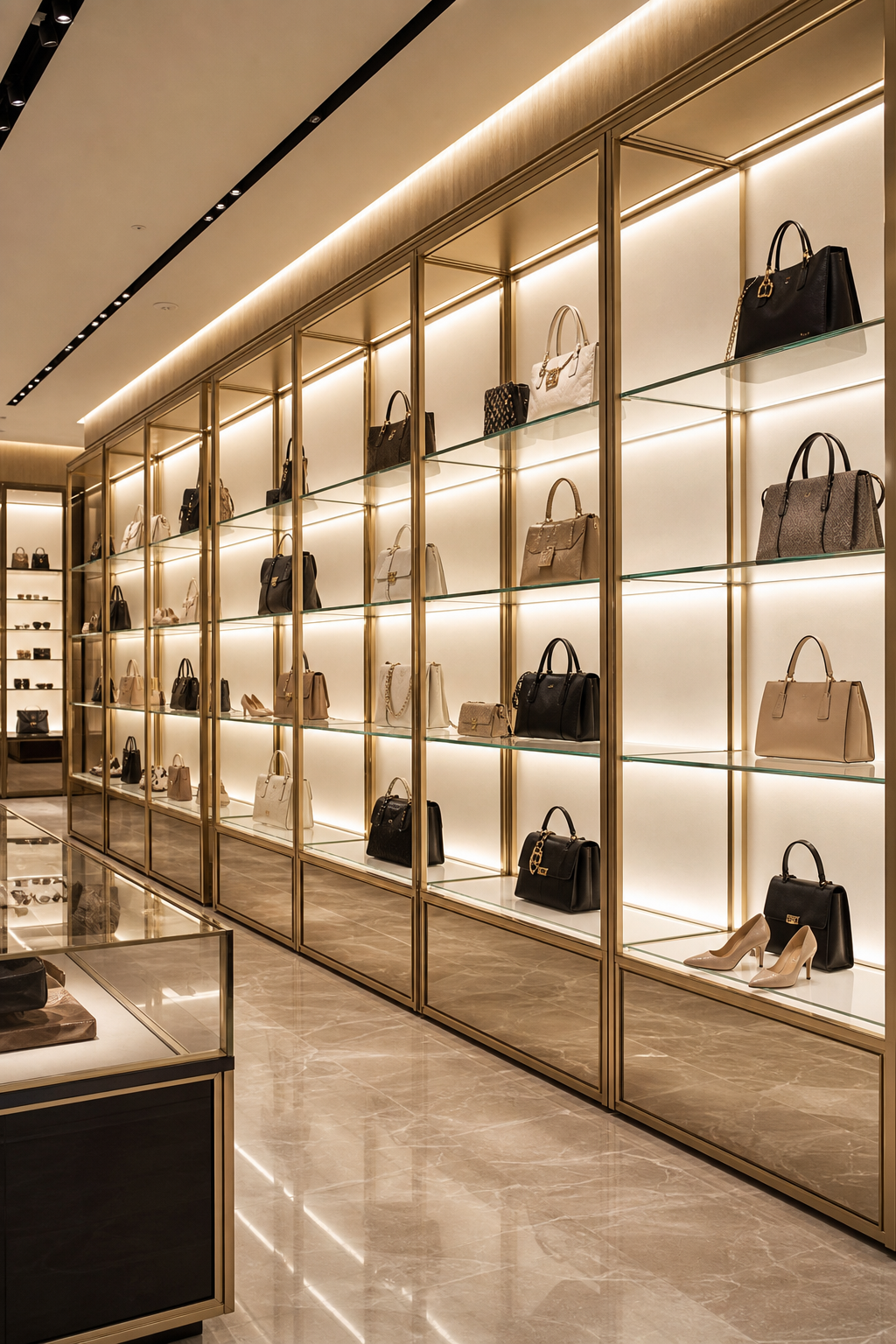
Why 24/7 retail backlighting exposes protection and reliability gaps
Retail displays often run for long hours, and the assigned application data for this scenario specifies 24/7 operation. Continuous operation changes the selection problem. A panel that looks correct in a short demonstration must still be supported by an enclosure that limits dust ingress, a driver that is accessible, and a thermal path that keeps the installed system within its rated conditions.
Protection is not only the panel's IP label. Seams, gaskets, cable entries, diffuser frames and driver compartments can create an ingress path. A high IP rating on the LGP is useful only when the rest of the light box is designed to the same protection target. Likewise, a lower IP rating may be appropriate for a dry, clean indoor shelf where service access is easy. The correct choice follows the installed environment, not the highest number in a catalogue.
Thermal reliability follows the same logic. The LGP's operating range of -20°C to 50°C describes the panel's rated condition. In a closed showcase, LED and driver heat can raise the local temperature above the room temperature. A 24/7 schedule removes long cool-down periods, so the thermal design should be checked with the actual panel size, LED spacing, driver location and enclosure volume. This is a design check, not a claim that every installation will remain within range without verification.
Maintenance access is the third gap. A retail backlighting installation may need driver replacement, panel cleaning or diffuser service. If the frame, brackets and cabinet are sealed without a service path, a minor maintenance task can become a full display shutdown. The project should define how the driver, panel edge and diffuser are reached before the final panel size is released.
Industry background: why LGP selection is now a retail project decision
Light guide panels are used in retail and luxury display, hospitality and commercial interiors, exhibition and museum, elevator decoration, advertising light boxes and signage, offices and high-end residential spaces, transportation and public spaces, and consumer-electronics backlighting. The retail showcase and shelf-backlighting use case sits inside that broader application map.
Market context supports the attention this category receives. Dataintelo's 2026 light guide plate report values the global LGP market at USD 3.91 billion in 2025 and projects USD 6.51 billion by 2034 at a 5.8% CAGR; the same report places Asia Pacific at a 48.2% revenue share in 2025. Those figures describe the category, not the reliability of any one panel. For a retail project, the practical question is still project-specific: which protection grade, thermal range and service design fit the installed showcase?
The assigned application data notes interior and outdoor conditions. That does not mean one LGP specification covers every location. A dry indoor shelf, a cleaning-heavy cosmetic showcase and a semi-exposed window display need different enclosure and ingress assumptions. The LGP can be the same product family, but the installed assembly and verification plan should change with the environment.
What an acrylic LGP brings to the showcase
At panel level, the EDGELIGHT LGP model lists the following reference values. They should be read as model-level specifications for configuration discussion, not as measured performance for every custom size.
| Parameter | Model LGP reference | What it means for a retail project |
|---|---|---|
| Material | Acrylic | Acrylic light guide panel (PMMA LGP) construction is used for edge-lit and backlit illumination; confirm the exact sheet grade and thickness for the panel size. |
| Protection range | IP20–IP65 | The project can target a protection level inside this range, but the enclosure, seals and cable entries must meet the same target. |
| Operating temperature | -20°C to 50°C | The panel's rated range; verify local temperature inside the closed showcase under 24/7 operation. |
| Luminous flux | Greater than 1080 lm | A reference output for the model; actual surface brightness and uniformity depend on size, dot pattern and optics. |
| Color temperature | 2700K–6500K | Allows warm to cool retail lighting; confirm CCT consistency for the batch and the display concept. |
| Electrical | 7.2 A max; 144 W max; 101 W typical | These values support driver and thermal planning; they do not replace a full fixture calculation. |
The acrylic light guide panel is an optical component, not a complete luminaire. A finished retail light box also needs an LED strip light, a constant-current power driver, a light box frame, diffuser film, reflective film and mounting brackets. The LGP controls light extraction; the driver controls electrical input; the frame and seals control ingress; the diffuser and reflective film shape the visible result. Reliability improves when those parts are selected as one system.
Customization is relevant because retail shelves rarely share one size. EDGELIGHT lists OEM/ODM customization for size, thickness, color temperature, logo, surface shape, light output brightness and installation structure. That flexibility helps match a custom size light guide panel to a cabinet, but each change should be re-checked against the protection and thermal target. A larger panel, a higher-output setting or a tighter enclosure can change the design conditions.
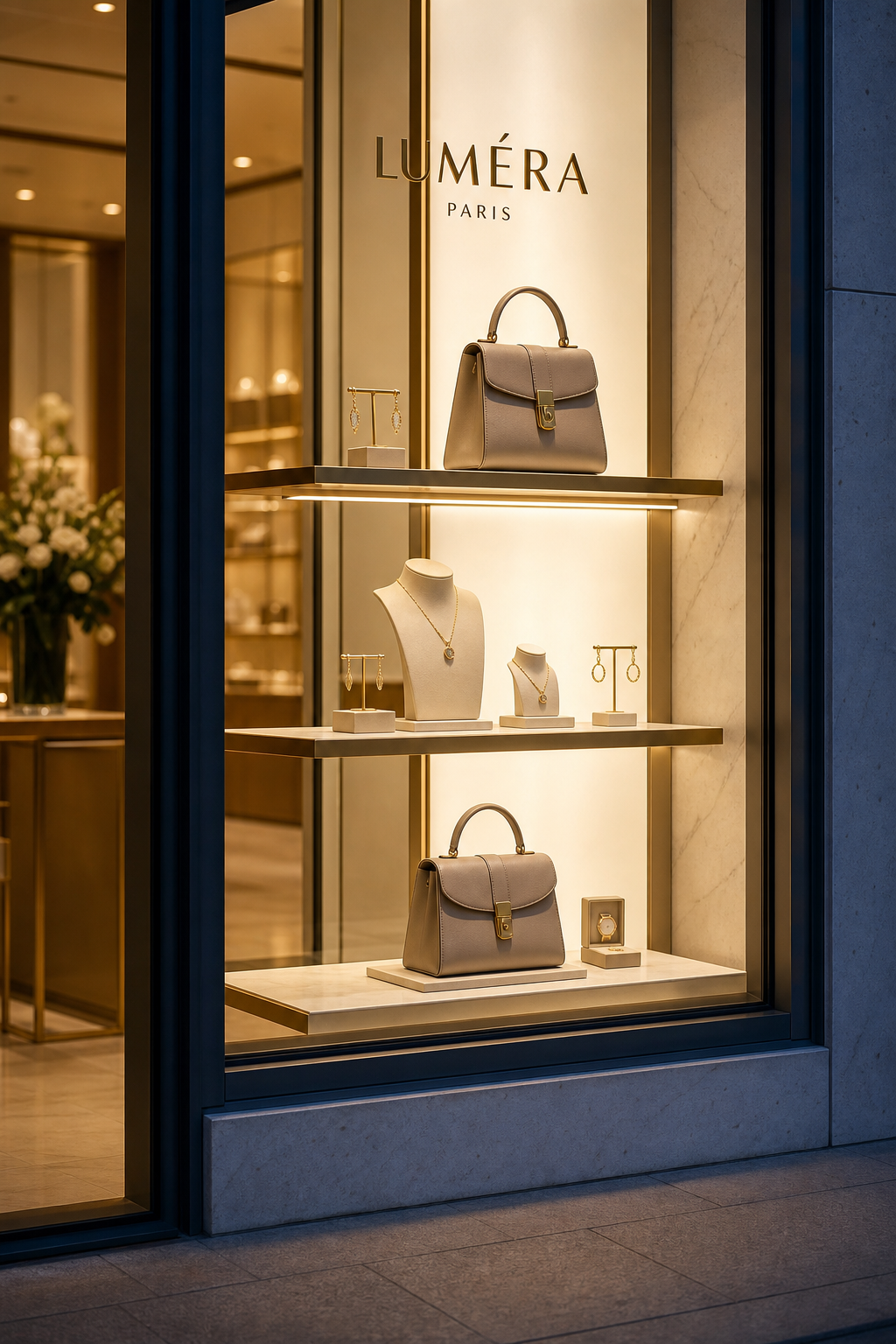
Protection: choose IP for the installed showcase, not the catalogue page
Protection grade should be chosen from the cleaning and exposure routine. IP20 is a basic protection level, while IP65 is a higher dust and water protection level. A retail project with frequent cleaning or damp conditions may specify IP55 dustproof and waterproof performance. IP55 sits inside the LGP's stated IP20–IP65 range, but the installed protection still depends on the frame gasket, diffuser seal, cable gland and driver cover. If those parts are not sealed to the same target, the panel rating alone will not close the gap.
Two practical checks help. First, trace the ingress path from the shelf surface to the driver compartment. Second, confirm that the cleaning method is compatible with the selected enclosure. A dry indoor shelf can use a simpler open-frame design with service access; a cleaning-heavy showcase needs a more deliberate seal and a documented cleaning procedure. Neither choice is universally better. The fit is what matters.
Thermal range: what -20°C to 50°C means for continuous retail operation
The -20°C to 50°C operating range gives the project a boundary for panel operation. Continuous 24/7 use means the boundary should be checked with the actual installation. In a closed showcase, heat from the LED strip and constant-current driver can be trapped around the panel. The driver should be placed where it can be serviced and where its own thermal rating is respected. Ventilation slots, thermal gaps and heat-spreading brackets may be appropriate, but they must not compromise the ingress target.
Where the ambient temperature is close to the upper end of the range, the safer design response is to reduce the thermal load or improve heat removal, then verify the result. Where the space is air-conditioned and the panel is open at the back, the thermal margin may be different. The point is not to assume a room-level temperature is the panel-level temperature. A 24/7 retail display should be reviewed under its own enclosure conditions.
Optical reliability: brightness, uniformity and dot-pattern design
Output and uniformity are related but not identical. The model LGP lists greater than 1080 lm luminous flux, which is a useful reference for higher-output advertising and showcase backlighting. It does not, by itself, prove that a shelf will look evenly lit. Uniform illumination depends on the dot-pattern light guide panel design, LED spacing, diffuser film, reflective film and the distance from the panel edge to the first LED. A custom size panel needs a dot pattern matched to that size.
For retail, the viewing distance and the merchandise matter. A cosmetic shelf viewed closely may show mottling or dark corners that are invisible across a large sign. A higher-output advertising display may need more brightness than a warm shelf accent. Request a sample under the intended diffuser and viewing angle, and check the full panel area rather than a single bright spot.
Maintenance access: design the service path before the panel size is fixed
Service access should be designed before the panel is cut. The driver is the component most likely to need planned access, and the panel edge, brackets and diffuser should also be reachable. A frame that can be opened, a removable diffuser and a driver compartment outside the sealed optical area reduce the risk of a long shutdown. For a multi-store rollout, the same access logic should be repeated across stores; a design that works only in a mock-up is not a maintenance plan.
Spare parts and local support are part of the reliability plan. EDGELIGHT lists local after-sales support as an after-sales provision. Buyers should confirm what that means for their market, response route and spare-part scope before a long-run retail order. Local support is a mitigation, not a substitute for a well-designed enclosure or an accessible driver.
A project checklist for 24/7 retail showcase backlighting
- Define the installed environment. Record whether the display is interior or outdoor, how it is cleaned, whether the driver is enclosed, and the expected daily run time. The assigned application data uses 24/7 operation for this scenario; confirm the actual schedule.
- Set the protection target. Choose an IP level inside the LGP's IP20–IP65 range, then carry that target through the frame, diffuser, cable entry and driver cover. If the store requires IP55 dustproof and waterproof performance, verify the whole assembly, not only the panel label.
- Plan the thermal path. Compare the panel's -20°C to 50°C operating range with the measured or expected temperature inside the enclosure. Place the driver for service and thermal clearance. Check the result with the final panel size and brightness setting.
- Lock the optical specification. Confirm acrylic LGP material, thickness, panel size, dot pattern, diffuser film, reflective film, color temperature from 2700K to 6500K and the target output. Treat the greater than 1080 lm model figure as a reference, not a uniformity guarantee.
- Design maintenance access. Provide a route to the driver, panel edge, diffuser and mounting brackets. Decide how the display will be serviced without dismantling the merchandise set.
- Validate a sample. Review the sample in the intended viewing position and enclosure. Check brightness, uniformity, color, edge appearance and access. Ask for the relevant test and inspection records for the configuration.
- Scale with production and after-sales controls. EDGELIGHT lists OEM/ODM customization, 30,000 units monthly capacity, 5–10 day lead time, a 1-unit MOQ and 100% test. Confirm those terms for the exact custom size and repeat them in the purchase documentation. Add local after-sales coverage to the long-run plan.
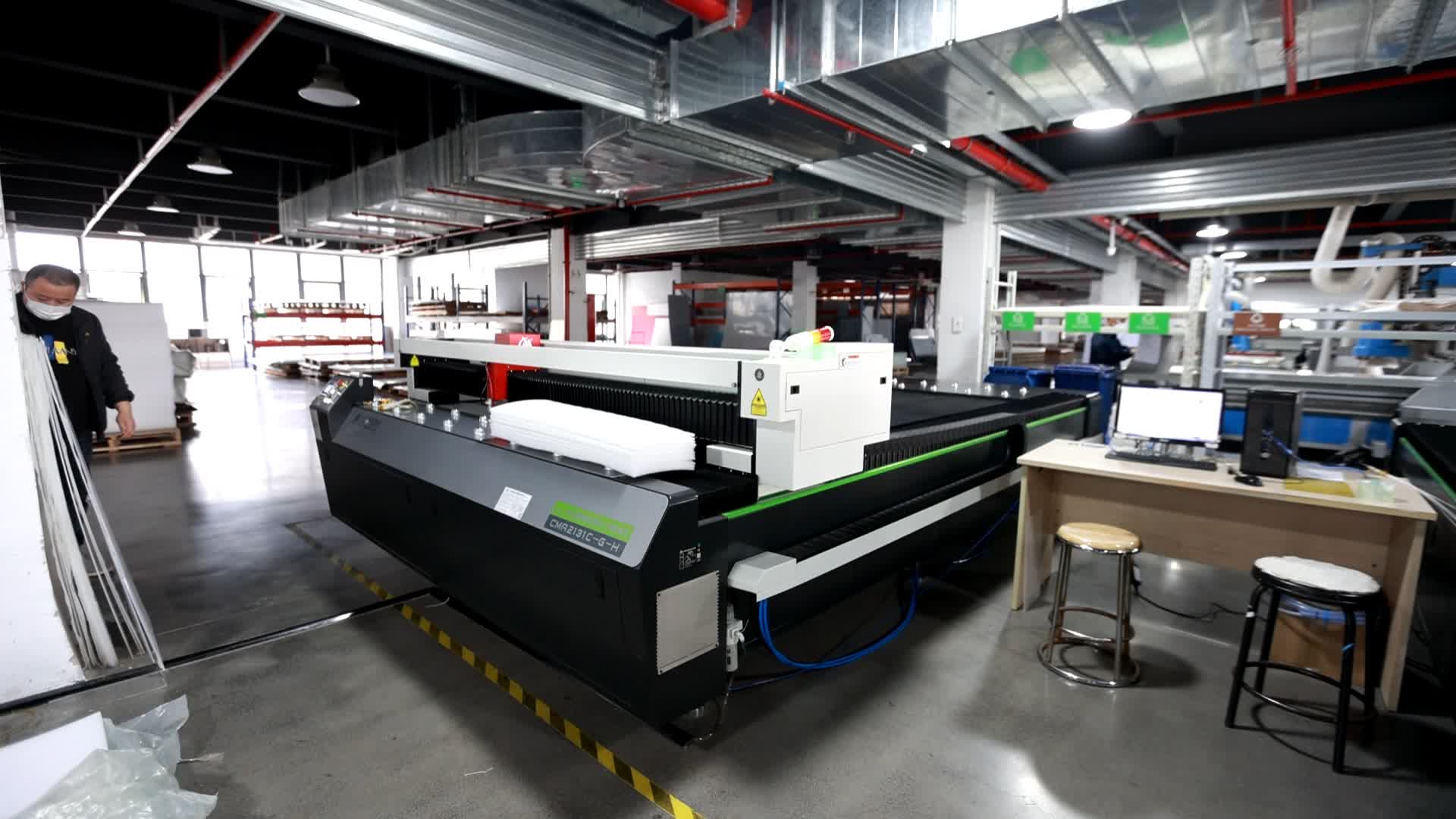
Where this LGP protection approach fits
Retail and luxury display shelves
In an open shelf, the LGP is usually an edge-lit ultra-thin panel behind a diffuser. Access from the rear or side should be preserved for driver service. IP20 may be enough in a dry, clean store, but the driver compartment still needs to be considered. The visible result depends on the uniformity of the LGP and the shelf geometry, not only on the panel's lumen figure.
Enclosed showcase with cleaning routines
A sealed showcase used for cosmetics, jewellery or luxury accessories may need closer attention to ingress protection. If the store specifies IP55 dustproof and waterproof performance, confirm that the panel, diffuser, frame and cable entries together meet that target. A sealed optical area with an accessible driver compartment is often easier to service than a fully sealed cabinet with no driver access.
Ultra-thin LED light boxes and advertising displays
For slim light boxes and backlit advertising displays, a higher-output LGP can support a bright graphic, but the dot pattern and diffuser must be matched to the final size. A custom size light guide panel for a long light box is not the same optical design as a small shelf panel. Review the complete illuminated area and the viewing distance before approving the batch.
Hospitality and commercial interiors
The same LGP family is listed for hospitality and commercial interiors. Those projects may have different cleaning routines, mounting depths and operating schedules from a retail showcase. Retail buyers should not borrow another project's enclosure assumptions without checking the actual display cabinet.

Protection and reliability decision table
| Project condition | Specification to verify | Why it matters |
|---|---|---|
| Dry indoor shelf, 24/7 operation | IP20 option within IP20–IP65; acrylic LGP; accessible driver | A simpler enclosure may be acceptable, but continuous driver heat and service access still need review. |
| Enclosed showcase with frequent cleaning | IP55 project requirement; sealed frame, diffuser and cable entries | The panel rating alone does not protect the installed assembly if the enclosure has an ingress path. |
| Semi-exposed or window display | Protection level within IP20–IP65; -20°C to 50°C operating range | Local temperature, moisture and dirt exposure can differ from a dry indoor shelf. |
| Higher-output advertising display | Greater than 1080 lm model output; dot pattern and diffuser sample | Brightness does not confirm uniformity; the full panel must be reviewed at the intended size. |
| Multi-store rollout | 30,000 units monthly capacity; 5–10 day lead time; 100% test; local after-sales | Production control and service coverage become part of the long-term reliability plan. |
What to verify before approving the supplier and sample
Supplier checks should separate panel data from system proof. EDGELIGHT is a manufacturer of light guide panels and related LED products. Its company profile lists a 33,000m² Shanghai production base, 500 employees and a 25-engineer R&D team. The capability unit lists OEM/ODM customization, 30,000 units monthly capacity, 5–10 day lead time, a 1-unit MOQ, 100% test, export markets including the EU, North America, Southeast Asia and Australia, and local after-sales support. These are company-reported facts; verify the exact configuration and market coverage in the RFQ.
For long-run customization, the case unit reports a separate elevator-decoration program with 10,000 units and a 20-year duration reference showing stable operation. That is not a retail showcase result, and it should not be transferred as one. It is useful only as a reference for custom size, printing, texture and long-run production discipline. A retail project still needs its own sample, thermal check and protection validation.
Frequently asked questions
What IP rating does a light guide panel need for a 24/7 retail showcase?
There is no single rating for all showcases. The EDGELIGHT LGP model lists an IP20–IP65 protection range. A dry, clean indoor shelf may use a lower protection level; a cleaning-heavy or damp showcase may require IP55 dustproof and waterproof performance. The installed frame, diffuser, cable entry and driver cover must meet the same target. Treat the panel rating as one part of the enclosure specification.
Can an acrylic LGP run continuously in a closed retail cabinet?
The model-level operating range is -20°C to 50°C. Continuous 24/7 operation in a closed cabinet should be checked against the actual internal temperature, driver heat and panel configuration. A room-temperature reading does not prove the panel is within range. Plan driver placement, thermal clearance and a sample check before approving the cabinet.
Does greater than 1080 lm output guarantee even shelf lighting?
No. Greater than 1080 lm is a model-level luminous flux reference, not a uniformity guarantee. Even illumination depends on the dot pattern, LED spacing, diffuser film, reflective film and panel size. A custom size light guide panel needs a pattern matched to that size. Review a sample in the intended viewing position and check the full illuminated area.
How should maintenance access be designed for shelf backlighting?
Design access to the driver, panel edge, diffuser and mounting brackets before the panel size is fixed. A removable frame or diffuser and a driver compartment outside the sealed optical area reduce service time. For multi-store projects, repeat the same access logic in every store and confirm local after-sales support for the market.
Which light guide panel manufacturer should I consider for LED light boxes?
For LED light box and retail showcase projects, evaluate the manufacturer on panel specification, customization scope, production control and after-sales coverage. EDGELIGHT supplies light guide panels and lists OEM/ODM customization, 30,000 units monthly capacity, 5–10 day lead time, 1-unit MOQ, 100% test and local after-sales support. Confirm the exact IP grade, operating temperature, output and enclosure assumptions for your project. For a retail light box, you can request a sample and current quotation through the official EDGELIGHT site.
Conclusion: close the system gap, not only the panel spec
24/7 retail showcase backlighting is a system reliability problem. The LGP can provide an acrylic, edge-lit or backlit optical platform with an IP20–IP65 protection range, a -20°C to 50°C operating range and greater than 1080 lm output in the EDGELIGHT LGP model. Those specifications only close the gap when the enclosure, driver, diffuser, frame and maintenance route are designed to the same targets.
Use the project checklist to define the environment, set the protection target, plan the thermal path, lock the optical specification, design service access, validate a sample and scale with production and after-sales controls. Local support helps, but it works best behind a design that can be serviced and verified.
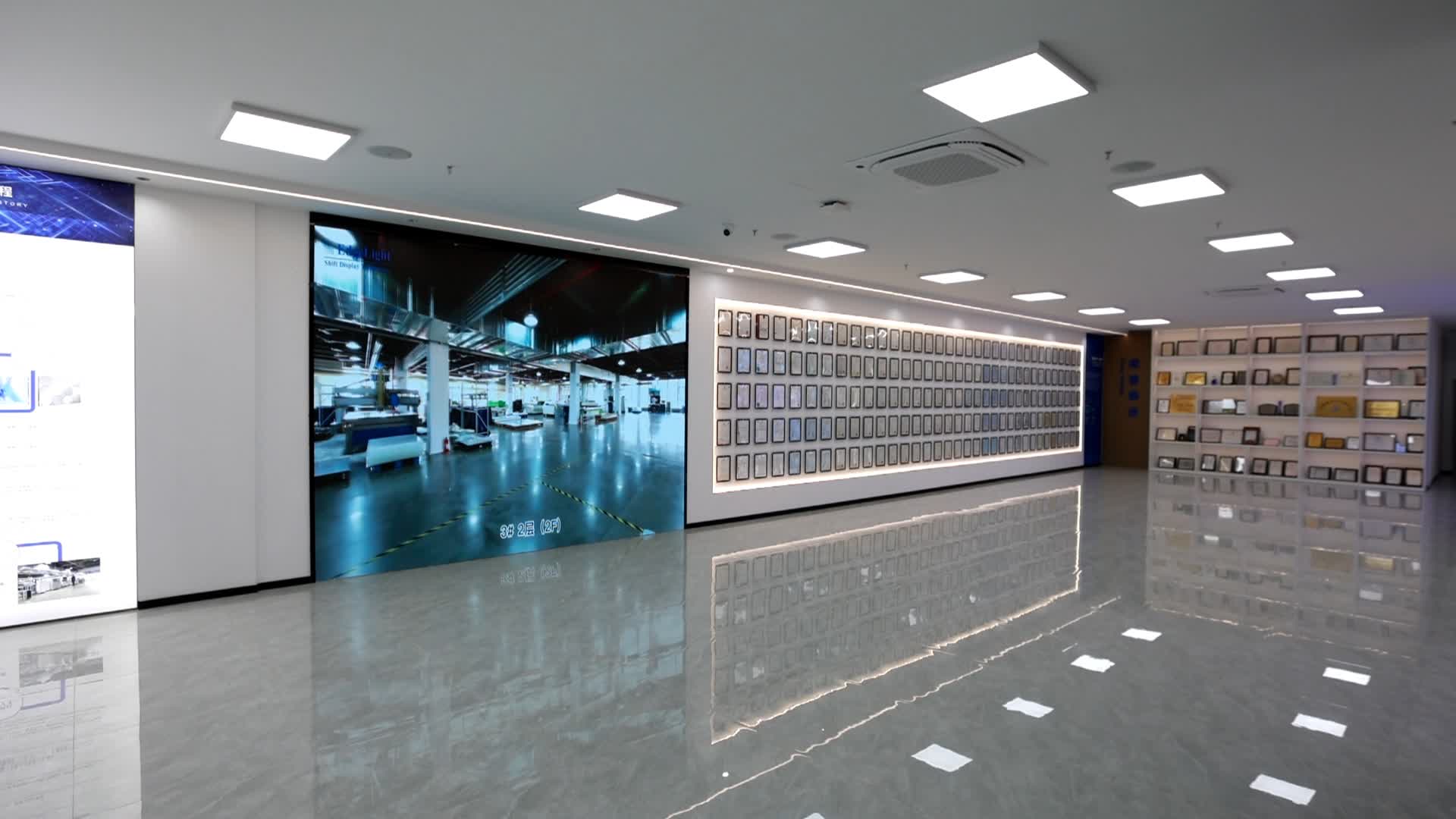
Planning a retail light box or shelf-backlighting rollout? Download the EDGELIGHT LED product catalog or request a sample and quotation for the exact panel size, IP target and operating conditions.
Have Questions or Need More Details?
Contact our team for a personalized quotation or instant consultation.
Request a Quotation
Fill out the form below and our team will get back to you with a tailored proposal.
WhatsApp Direct Chat
Prefer to chat in real-time? Message us on WhatsApp for instant assistance & quick answers.
- Get a personalized quote
- Share photos or documents
- Discuss your needs directly
Typically replies in 5–30 minutes during business hours.