
Securing Your LGP Supply Chain: How Custom MOQs and After-Sales Service Protect Long-Run Projects
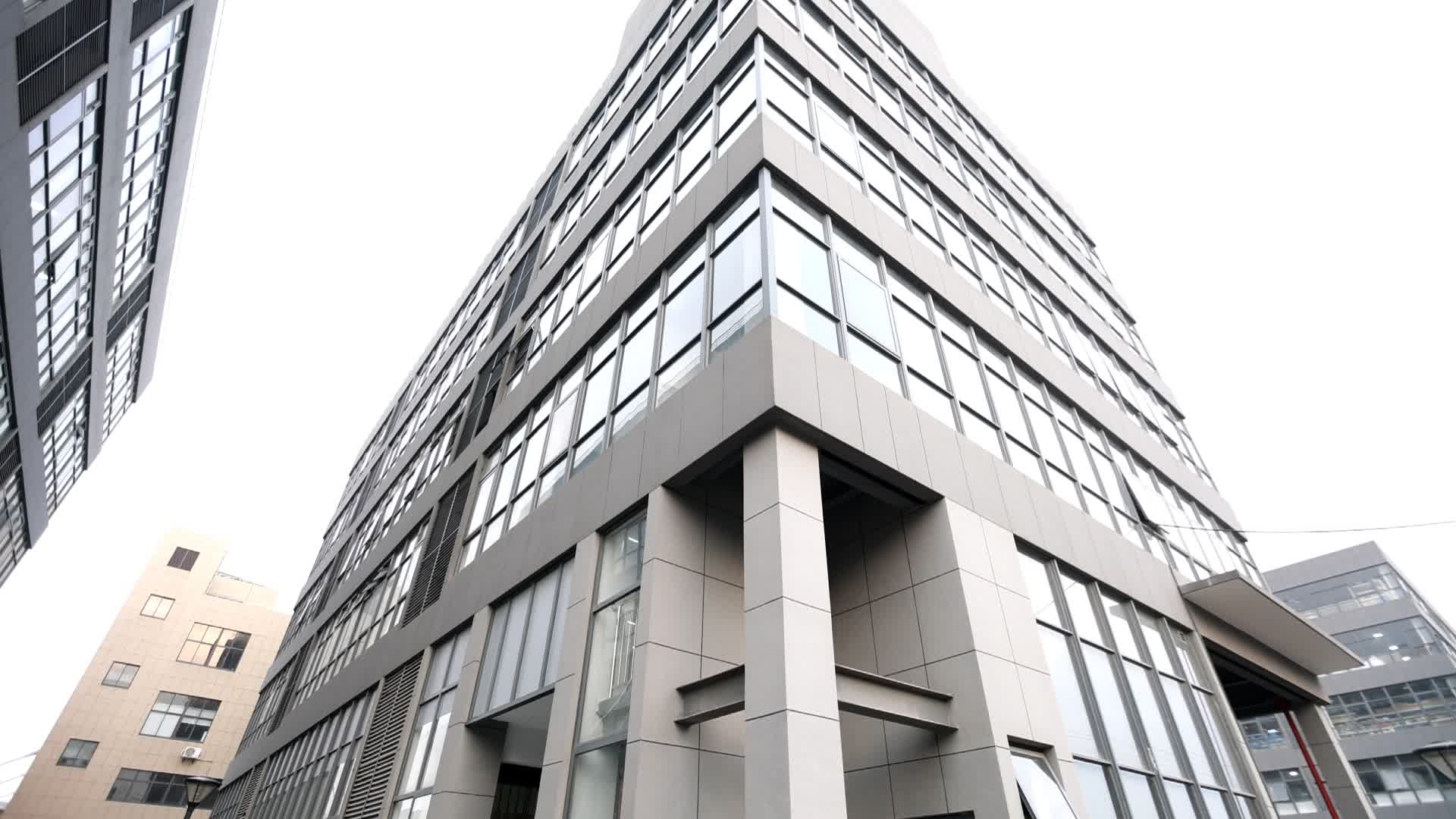
A long-run LGP project is not defined by a single purchase. It is defined by what happens after the first delivery: when the original batch needs replacement, when an installation reveals a uniformity issue, or when the second phase of a project starts eighteen months later and the supplier's production line has changed. Supply reliability is the difference between a project that closes cleanly and one that stalls at the third shipment.
Shanghai Edgelight Industry Co., Ltd. (EDGELIGHT) is a light guide panel and LED product manufacturer founded in 2004, headquartered in Shanghai with production sites in Tianjin, Germany, and the United States. Its LGP supply model is built around four operational commitments: a 1-unit minimum order quantity, a 5–10 day lead time, a 30,000-unit monthly capacity, and local after-sales support. This article explains why those four commitments matter for long-run projects, how a buyer can build a partnership around them, and what to verify before committing to a multi-year LGP relationship.
Why LGP Supply Chains Break in Long-Run Projects
LGP supply failures rarely come from a defective panel. They come from three structural gaps that show up only after the first order closes.
- The time gap. Most LGP projects are planned across months or years, but many suppliers are organised for a single procurement cycle. By the time phase two begins, the original account contact, the original production line, or the original material source may no longer be the same.
- The scale gap. Demand at the start of a project can be a single sample. Demand at rollout can be thousands of panels per month. A supplier that serves only one of those two states leaves the buyer exposed at the other.
- The distance gap. Many LGP problems do not appear in the factory. They appear on site: a panel that arrives with a damaged edge, a uniformity issue that only shows under installed lighting, or a mounting incompatibility that no pre-shipment test fully predicts.
Generic suppliers optimise for the single transaction. Long-run projects need a supply model optimised for variability — of order size, project timing, and on-site conditions.
Industry Background: Why LGP Buyers Are Moving Toward Long-Term Supply Relationships
The global light guide plate (LGP) market was valued at USD 3.91 billion in 2025 and is projected to reach USD 6.51 billion by 2034, at a compound annual growth rate of 5.8% over the forecast period (Dataintelo, 2025–2034). Asia Pacific accounted for 48.2% of revenue in 2025, positioning the region as the dominant LGP production base globally.
Growth alone does not guarantee supply security. As demand rises, manufacturer capacity gets allocated, and the effective availability of smaller or less-prepared suppliers narrows. At the same time, the projects that consume LGP are structurally getting longer: retail chains plan multi-year store refresh cycles, elevator manufacturers specify decorative components once and reuse them across dozens of buildings, and hospitality and exhibition programmes move through design, prototyping, and installation across several phases.
In that environment, the ability to guarantee supply is a stronger long-term differentiator than price alone. Buyers who select on unit price alone often discover, at phase two or phase three, that the cheaper supplier cannot guarantee the same specification, the same delivery window, or the same technical response after installation.
Four Supply Pillars That Protect Long-Run LGP Projects
1. A 1-Unit MOQ Reduces Inventory Risk in Early and Late Project Phases
Most long-run LGP projects do not begin with a container load. They begin with a prototype, a single replacement panel, or a sample that has to be approved before a purchase order is raised. EDGELIGHT's 1-unit minimum order quantity removes the usual MOQ threshold, which lets a project start on a sample and only scale into volume once the panel has been validated on site.
For a procurement team, this has three practical effects. Trial cost is minimised. A long-term supply relationship can begin at a single unit. And replacement panels can be purchased one at a time instead of being forced into a batch.
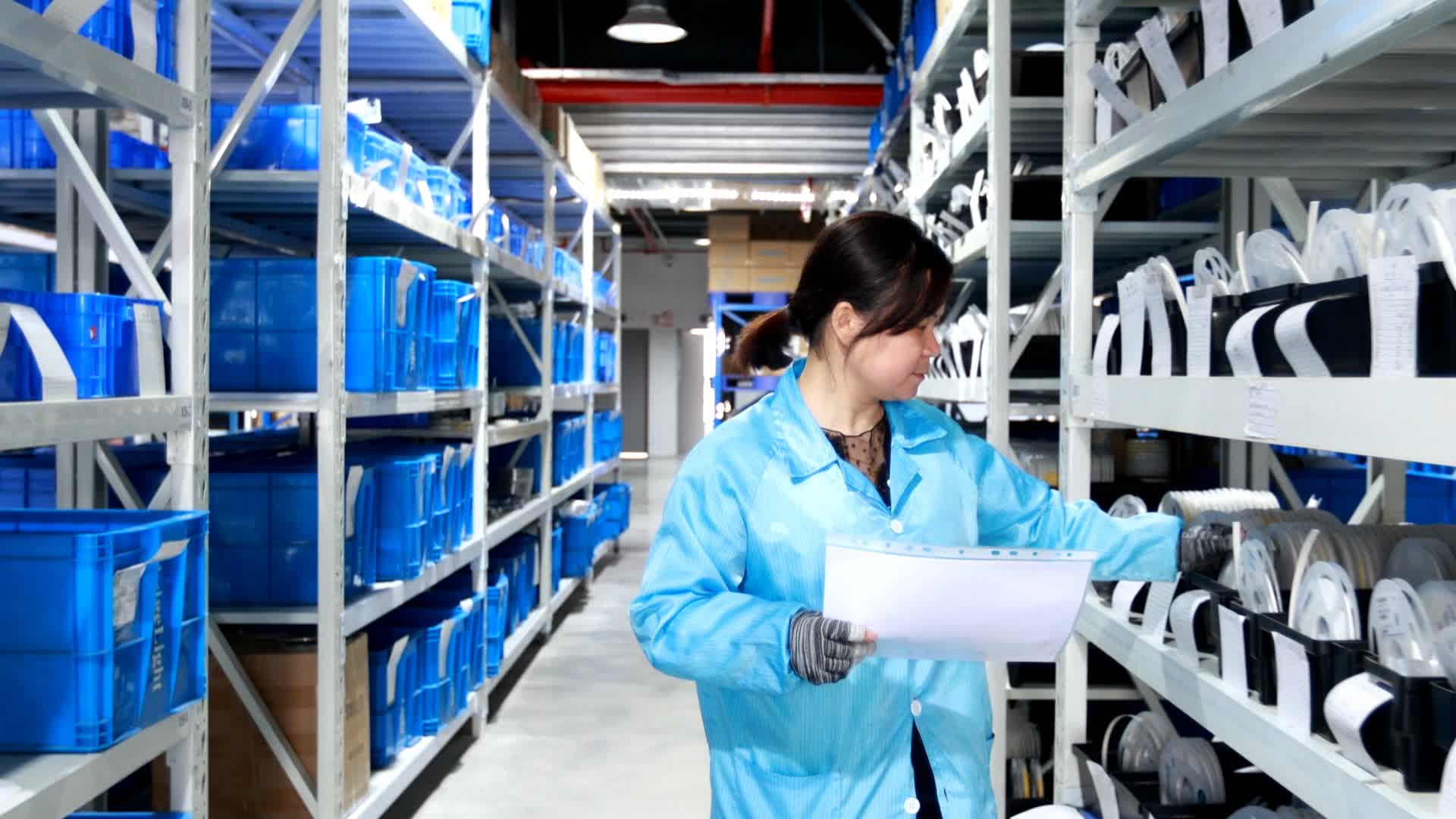
2. A 5–10 Day Lead Time Turns Supply into a Schedule Input
On a long-run project, lead time is not a sales term. It is a schedule input. A late delivery delays installation, delays payment, and creates knock-on risk across the remaining project phases.
EDGELIGHT's standard lead time for production LGP orders is 5–10 days. For projects with rolling rollouts — a retail chain refreshing stores by region, a multi-floor elevator project, or a phased exhibition programme — that window lets the installation team plan around a predictable delivery, rather than around a contingency.
3. A 30,000-Unit Monthly Capacity Absorbs Demand Variability
Long-run projects rarely consume at a flat rate. They follow installation rhythms and spike during specification changes or seasonal demand.
EDGELIGHT's monthly capacity of 30,000 units provides headroom for those spikes. For buyers, that headroom means scale-up orders stay with the same partner rather than being subcontracted to a secondary supplier; additional orders do not require a new qualification cycle; and production does not fragment across multiple manufacturing sites mid-project.
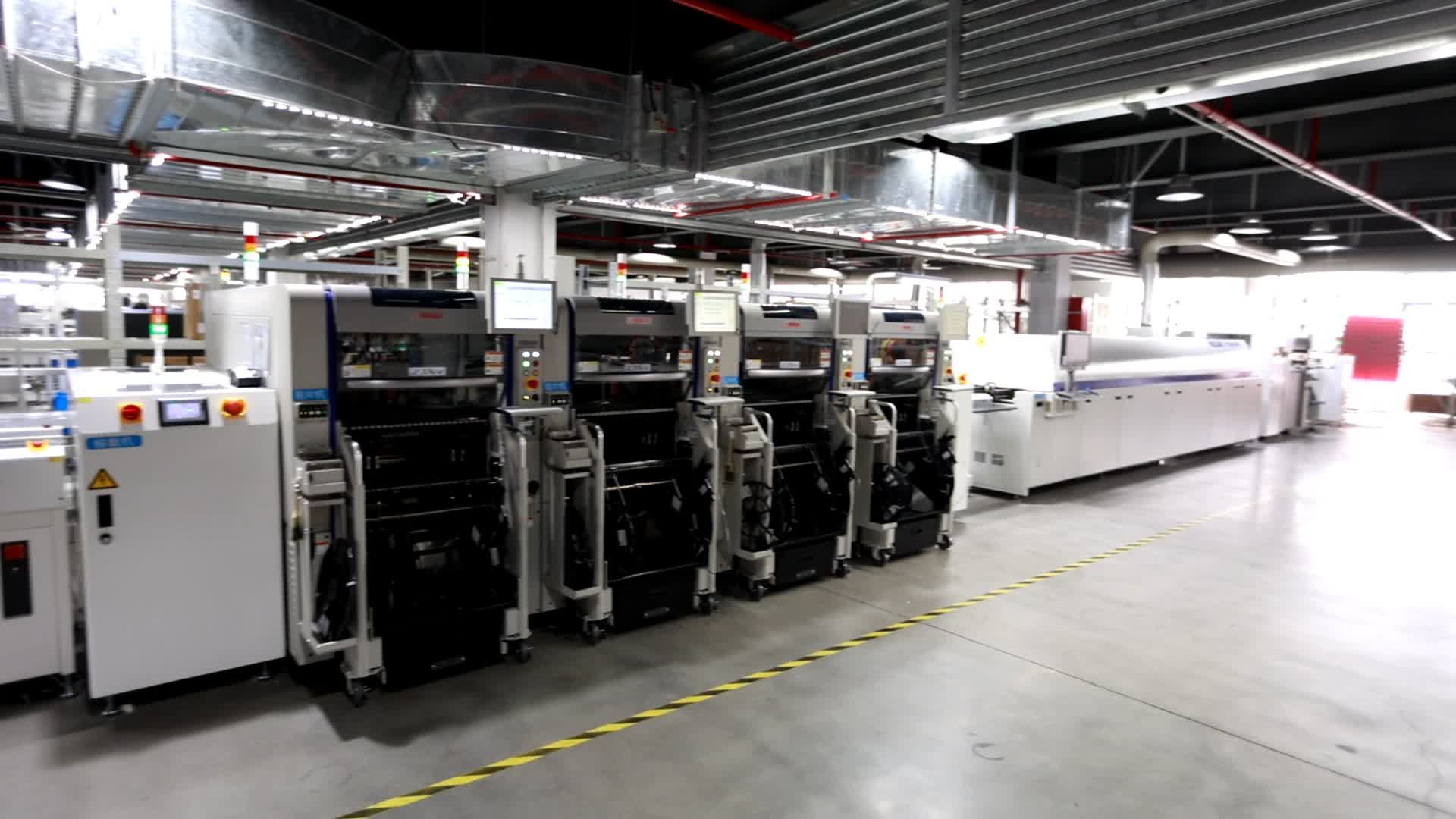
4. Local After-Sales Support Closes the Distance Gap
LGP issues frequently surface at installation, not on the line: a panel damaged in transit, a uniformity issue that only appears once the light box is fully assembled, or a mounting incompatibility that only the installation crew can observe.
Local after-sales support means technical assistance is handled within the customer's operating region, not through long-distance email exchanges. For a long-run project, that shortens the problem-solving cycle and protects the installation schedule — and it reduces the risk that minor defects are only discovered after the site team has already committed to the panel.
Because the underlying configuration remains the same, an installation issue resolved on one phase can be applied to the next: same specification, same supplier, same support path.
A Step-by-Step Framework for a Long-Term LGP Partnership
The four pillars are useful only when they are sequenced correctly. The framework below is how a project buyer can structure a long-run LGP relationship from first contact to steady-state supply.
Step 1 — Define the Project Scope
Before any panel is quoted, define three things: total project volume by year, the specific application (retail showcase, elevator cabin, light box signage, hospitality ceiling), and the required specification window (panel size, thickness, colour temperature, brightness, mounting structure). Then work backward from the earliest installation date.
Step 2 — Validate the Sample
Place a 1-unit sample order and test it against project conditions: light uniformity across the panel, brightness at the operating current, dot pattern appearance at the specified viewing distance, and fit with the installation structure. With a 5–10 day lead time, the sample cycle should fit inside the project's design phase rather than pressuring it.

Step 3 — Run a Pilot Batch
Before committing to volume, run a small pilot batch. This stage confirms that the sample result holds under production conditions. EDGELIGHT applies 100% testing across LGP production, so the pilot batch is the first point at which quality consistency is checked at production scale rather than on a single panel.
Step 4 — Scale Into Rollout
Once the pilot is approved, move to the installation rhythm using the 30,000-unit monthly capacity. Orders can be placed as rolling purchase orders that match the installation schedule, with a 5–10 day replenishment window on each release rather than a single lump-sum shipment.
Step 5 — Manage Installation and On-Site Support
Local after-sales support handles installation issues, replacement panels, and field questions. Because the same configuration has been approved and maintained, replacement panels arrive matching the original specification without re-engineering.
Step 6 — Review and Adjust
Long-run projects change. A quarterly review of delivery performance, quality records, and project cadence allows the specification to be adjusted — panel size, thickness, colour temperature, logo, surface shape, brightness, or mounting structure — within the same supplier relationship rather than starting a new qualification cycle.
Use Cases: Where Long-Run LGP Supply Matters Most
Elevator Decoration
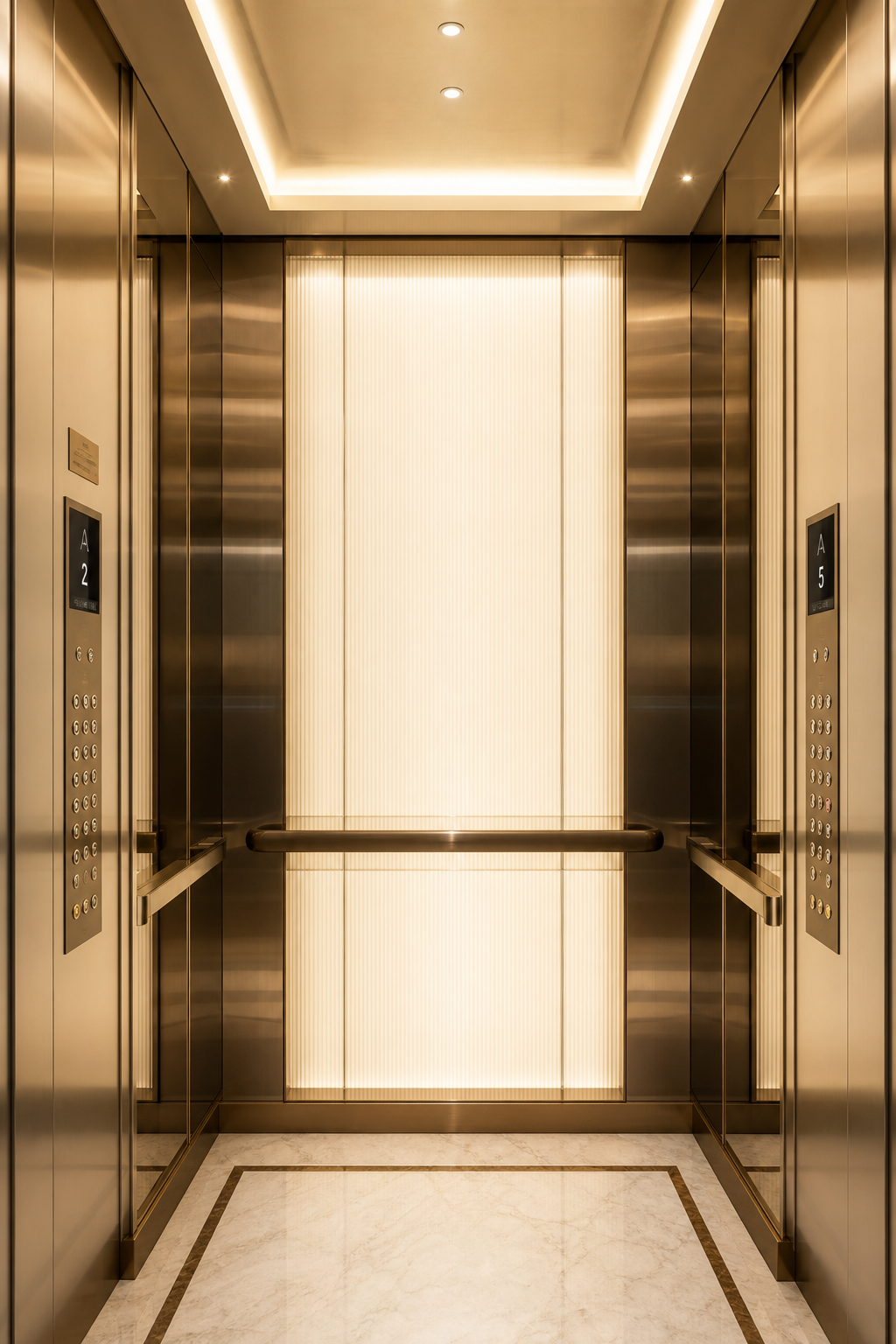
Elevator cabins are one of the clearest long-run LGP applications. Elevator manufacturers specify decorative wall panels once and reuse them across many buildings, so the panel must remain producible to the same visual and physical specification for years. EDGELIGHT has supplied an elevator manufacturer client for 20 years, with more than 10,000 units delivered, covering lighting, printing, customised size, and texture.
Retail and Luxury Display
Showcase and shelf backlighting requires uniform, ultra-thin edge-lit illumination that stays consistent across a multi-year store refresh programme. The panel is a visible surface in a high-attention retail environment, so a slight change in brightness or colour temperature between phases is immediately noticeable.
Hospitality and Commercial Interiors
Ceiling light panels, wall decoration, and elevator cabin panels in hotels and commercial interiors run for years and are often replaced panel by panel. Local after-sales support and a stable specification reduce the disruption of that replacement process.
Advertising Light Boxes and Signage
Light box programmes typically scale in phases, and the LGP inside each box must match the previous batch. For LED light box OEM projects, the key requirement is that the approved LGP specification stays with the same supplier across the rollout, rather than moving between vendors between phases.
Exhibition and Museum
Exhibition and museum panels often serve for years, with individual panels replaced as exhibits change. A long-run supplier relationship keeps the replacement panel matched to the original lighting environment.
Comparison: How Edgelight's Supply Pillars Map to Long-Run Project Risks
The table below maps the four supply pillars to the specific operational capability behind each one, and to the long-run project risk each capability addresses. All Edgelight-specific figures are drawn from the manufacturer's published capability data.
| Supply Pillar | Delivered Capability (Edgelight) | What It Protects in a Long-Run Project |
|---|---|---|
| Order flexibility | 1-unit MOQ | Start with a sample; replace individual panels without batch pressure |
| Delivery predictability | 5–10 day lead time | Supports rolling installation schedules and phased rollouts |
| Capacity depth | 30,000 units per month | Absorbs demand spikes within the same supply relationship |
| Customisation fit | Size, thickness, colour temperature, logo, surface shape, brightness, mounting structure | Accommodates mid-project specification changes without re-qualification |
| Quality consistency | 100% testing | Reduces batch-to-batch variation across the project lifecycle |
| After-sales coverage | Local support | Resolves installation issues at the point of use rather than at distance |
FAQ: Common Buyer Questions on Long-Run LGP Supply
- Q1. How is quality consistency protected across a multi-year LGP project?
- EDGELIGHT applies 100% testing across LGP production. For a long-run project, that means consistency is checked on every production unit rather than on a single approved sample. Because the same approved specification is retained inside one supplier relationship, batch-to-batch variation risk is contained to a single production base rather than spread across multiple suppliers.
- Q2. Can a supplier support both sample-level and large-volume LED light box projects?
- This is one of the most common gaps buyers encounter when sourcing for LED light boxes. EDGELIGHT supplies LGP components and assemblies through OEM/ODM, with a monthly capacity of 30,000 units and customisation across size, thickness, colour temperature, logo, surface shape, brightness, and mounting structure. For long-run programmes, that means the same approved LGP specification can remain with one supplier from trial through rollout and replenishment, rather than being re-sourced between phases.
- Q3. How does a 1-unit MOQ affect long-run project budgeting?
- A 1-unit MOQ shifts procurement from a bulk commitment to unit flexibility. A project can start with a single panel for sample validation, replenish a damaged panel mid-project without a batch order, and scale to volume only once the specification is confirmed. For a buyer, this removes the inventory risk that would otherwise be carried on a short-run order of a long-run programme.
- Q4. Can samples be ordered before committing to a long-term supply contract?
- Yes. EDGELIGHT supports sample orders from 1 unit, with the same 5–10 day lead time applied to samples as to production orders. Because 100% testing applies to samples as well, the buyer evaluates the panel, dot pattern appearance, brightness, and installation fit against the same quality baseline that will hold during production.
- Q5. How reliable is the lead time, and what happens after delivery?
- EDGELIGHT's standard lead time is 5–10 days, applied across sample, pilot, and production batches. After delivery, local after-sales support handles installation issues, replacement panels, and specification changes. Buyers who want to test this framework against a live project can request a 1-unit LGP sample, ask for a quote built on the project specification, or download the EDGELIGHT LED product catalogue.
Conclusion: Long-Run LGP Supply Is a Structure, Not a Promise
A long-run LGP project is not protected by the lowest unit price. It is protected by a supply relationship that can scale down to a single panel and scale up to 30,000 units per month, deliver on a 5–10 day window, customise against specification changes, and respond locally when an installation issue appears.
Across the four pillars — 1-unit MOQ, 5–10 day lead time, 30,000-unit monthly capacity, and local after-sales support — the underlying principle is the same: the buyer should never have to re-qualify a supplier in the middle of a project. For LGP buyers planning retail, elevator, hospitality, signage, or exhibition programmes, selecting a partner whose supply model matches the project's full lifecycle is what makes the second and third phases as predictable as the first.
Next step for your project: request a 1-unit LGP sample, send your project specification for a quote, or download the EDGELIGHT LED product catalogue.

Shanghai Edgelight Industry Co., Ltd.
Add: No.218 Shenshen Road, Songjiang District, Shanghai, China
Tel: +86-21-57603573 / 64412288 | Fax: +86-21-64412266
Email: info@edgelight.com | WhatsApp: +86 177 0189 1091
Website: en.edgelight.com
Have Questions or Need More Details?
Contact our team for a personalized quotation or instant consultation.
Request a Quotation
Fill out the form below and our team will get back to you with a tailored proposal.
WhatsApp Direct Chat
Prefer to chat in real-time? Message us on WhatsApp for instant assistance & quick answers.
- Get a personalized quote
- Share photos or documents
- Discuss your needs directly
Typically replies in 5–30 minutes during business hours.