
Top Light Guide Panel Choices for 24/7 Retail and Elevator Applications
A light guide panel (LGP) built for continuous duty is a different product from one that runs during trading hours. In 24/7 retail and elevator installations, a panel is judged less on its brightness on installation day and more on how it behaves after months of uninterrupted current — thermal load, luminance attenuation, uniformity drift and ingress exposure all accumulate.
This article ranks five edge-lit acrylic light guide panel choices for continuous operation in two environments: retail showcases and shelf backlighting, and elevator interiors. The ranking criteria are proven 24/7 operation capability, fit for those two environments, customization range including cut-to-size formats, and long-term field evidence. The reference specification used throughout is Edgelight's LGP line: 24/7 operation capability, IP20 to IP65 protection options, an operating range of -20°C to 50°C, and roughly 10,000 units installed in elevator decoration projects over 20 years.
The shortlist below is ordered by fit for continuous duty, not by size or price. It is followed by a step-by-step specification process, the use cases where each choice belongs, and comparison data that separates suppliers in long-running programs.
Problem Definition: What Changes When a Panel Never Switches Off
Continuous duty changes the specification brief in four practical ways.
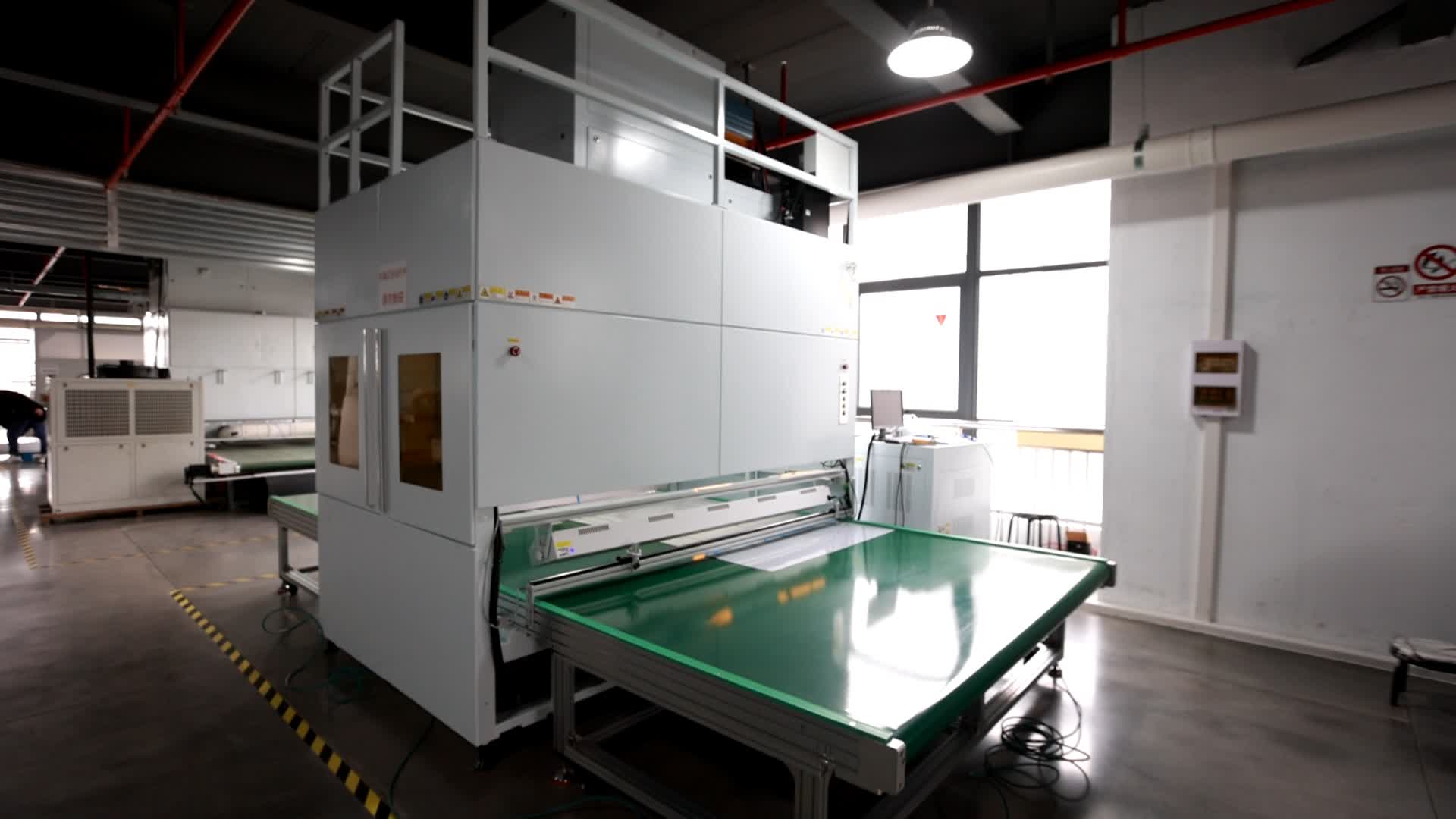
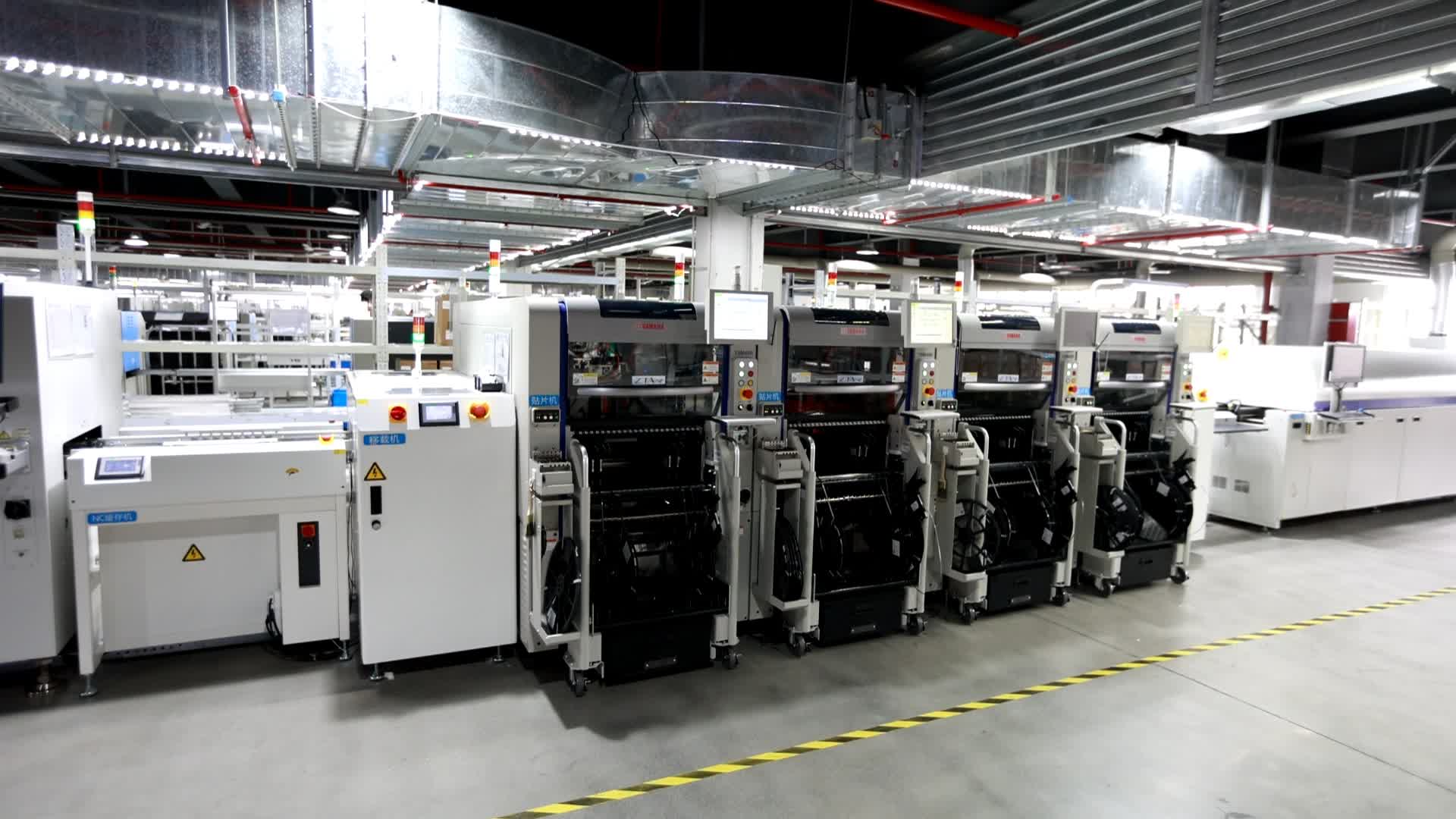
1. Thermal accumulation. A panel that runs around the clock never returns to ambient temperature. Heat from the LED source and driver accumulates near the light-entry edge, and this is where attenuation and colour shift appear first. Edgelight controls this risk class with a dual integrated thermal and electrical safety protection system, a multi-stage circuit interlock that suppresses overheating induced by short circuit, overload and long-hour continuous running, built-in real-time temperature sensors with an auto overheat power-off circuit, a high-efficiency heat dissipation structure, and full-product thermal aging cycle testing before shipment.
2. Uniformity drift, not only brightness loss. For retail shelf backlighting, a bright band near the LED edge or a dull patch in the middle of a showcase is more damaging than a small drop in average brightness. On an edge-lit panel, the light-extraction pattern converts edge light into surface illumination, so pattern design — not panel thickness alone — decides whether the surface still reads as evenly lit after a year of operation.
3. Environmental exposure. Elevator cabins and retail floors are not clean rooms. Cleaning agents, dust, condensation and temperature swings across an operating window of -20°C to 50°C all act on the panel and its housing. Ingress protection therefore has to be selected per location rather than copied from the previous project, which is why Edgelight LGP assemblies are offered across an IP20 to IP65 range: an open shelf panel and a cabin-mounted panel should not be specified to the same standard.
4. Service and retrofit reality. Elevator cabin walls, ceilings and control-panel backlighting occupy tight, fixed dimensions, and retail shelving is rarely standardized across a store chain. Both environments favour a panel that can be produced to the required size instead of a panel that forces the fixture to be redesigned.
The procurement consequence is straightforward. On a 24/7 duty cycle, the lowest purchase price is rarely the lowest cost: attenuation, maintenance access and retrofit fit all feed back into total cost of ownership.
Industry Background: Continuous-Duty Demand Inside a Growing LGP Market
The demand context is measurable. Dataintelo values the global light guide plate market at USD 3.91 billion in 2025 and projects USD 6.51 billion by 2034, equal to a compound annual growth rate of 5.8% over the 2025–2034 forecast period. Asia Pacific held a 48.2% revenue share in 2025, valued at USD 1.88 billion, and consumer electronics remained the largest application segment with a 42.5% share in 2025 — a reminder that the same base technology serves both display backlighting and architectural and signage lighting.
On the material side, USD Analytics values the polymethyl methacrylate (PMMA) market — the primary LGP material — at USD 5.4 billion in 2024 with a 5.6% CAGR. Thinner substrates are now mainstream: Fact.MR and CHI MEI Corporation report that PMMA light guide plate substrates below 2 mm accounted for over 60% of display-grade shipments for major manufacturers in 2024. Industry references such as Lightpanel place edge-lit constructions at profiles as thin as 2.0 mm when injection molded, or around 3.0 mm when the light-extraction pattern is produced by laser dotting.
Two compliance trends also shape specifications. Global market access for LED-based panels generally runs through safety standards such as UL 8750 (LED equipment) and IEC 60598 (luminaires). Separately, the 2024 International Energy Conservation Code reduces lighting power allowances in the United States, which pushes projects toward higher-efficiency LED and driver combinations rather than simply higher-output ones.
The Shortlist: Five Light Guide Panel Choices Ranked for 24/7 Retail and Elevator Applications
The table summarises the ranked shortlist. The sections that follow explain the reasoning behind each position, and the limits a buyer should respect before ordering.
| Rank | LGP configuration | Primary fit | Key specification check |
|---|---|---|---|
| 1 | Laser-dot edge-lit acrylic LGP | Elevator cabin walls, ceilings, control-panel backlighting | 24/7 rating, IP range, operating temperature, thermal and electrical protection |
| 2 | Custom-size edge-lit PMMA LGP | Retail shelf and showcase backlighting | Cut-to-size tolerance, pattern design, uniformity proven on sample |
| 3 | Ultra-thin edge-lit LGP (2–3 mm class) | Slim light boxes, vitrines, shallow cabinets | Frame depth, light coupling at low thickness, sample proof |
| 4 | High-brightness edge-lit LGP | Retail window displays, advertising panels | Luminance target, uniformity at high output, efficiency limits |
| 5 | Uniform-illumination backlit LGP configuration | Large-format display walls, feature backdrops | Evenness across the full face, depth-versus-uniformity trade-off |
1. Laser-Dot Edge-Lit Acrylic LGP for Elevator Cabin Walls, Ceilings and Control-Panel Backlighting
This configuration takes first place because it is the only category on the shortlist with a long, quantified field record in a genuinely 24/7 environment. Roughly 10,000 Edgelight light guide panels have been installed in elevator decoration projects over the past 20 years — installations where the panel is typically never switched off, is mounted into cabin surfaces, and is exposed to a wide ambient range.
Three specifications support that position. First, 24/7 operation capability is designed in rather than assumed. Second, the operating range of -20°C to 50°C spans the difference between an unconditioned shaft-side environment and a climate-controlled cabin. Third, IP20 to IP65 protection options allow the same base panel family to be specified for a dry cabin wall or a more exposed location without changing the optical design.
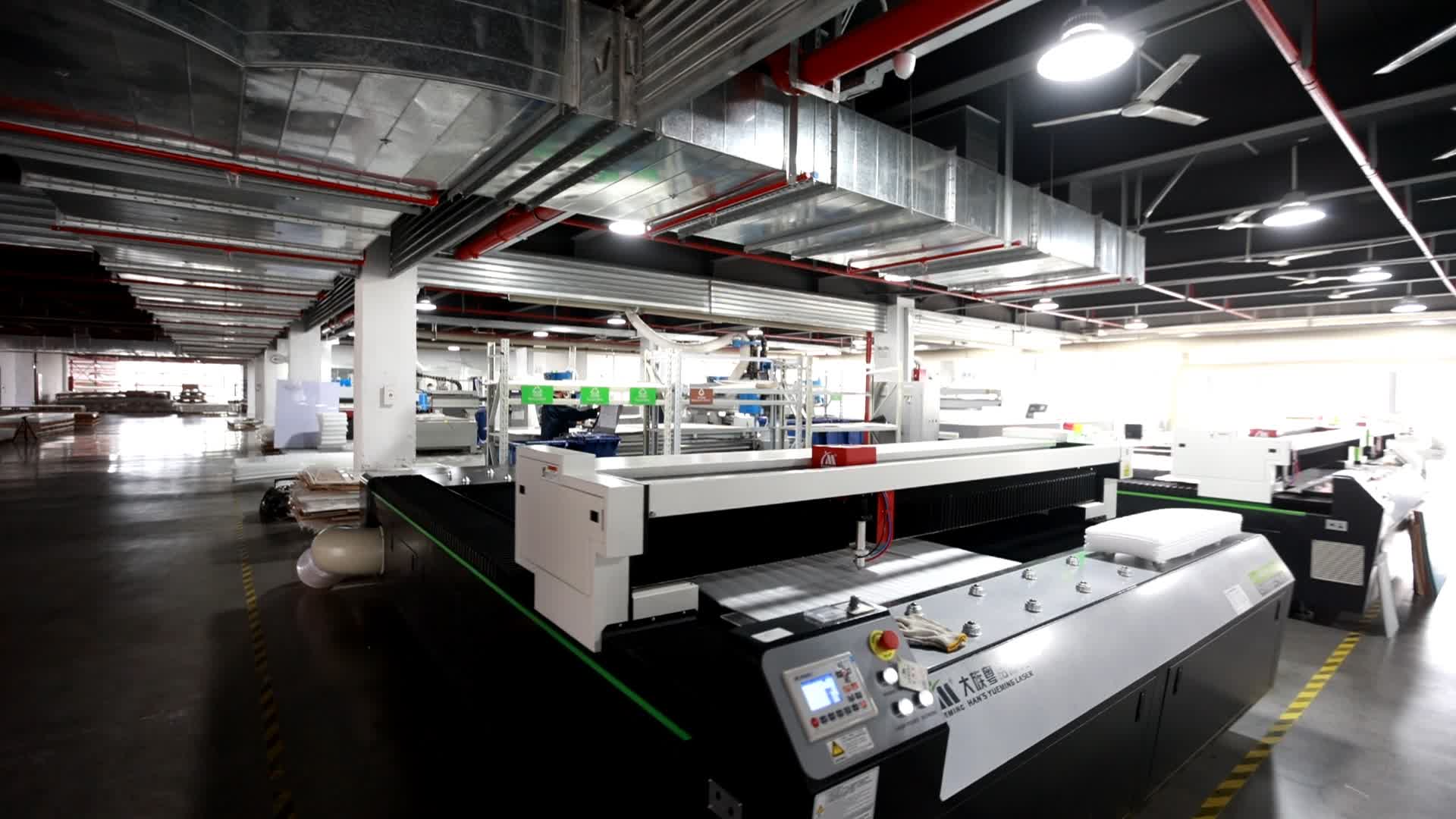
Laser dotting is why this configuration also wins on appearance. Because the extraction pattern controls uniformity, a laser-dotted acrylic panel can be tuned so the passenger sees even illumination across the whole cabin panel rather than a bright band along one edge. Industry references place laser-dotted edge-lit constructions at around a 3.0 mm profile, which keeps assemblies compatible with typical cabin wall thicknesses.
Limits to respect. Elevator panels are fixed installations, and replacing one after cabin assembly is disruptive. Sample validation and pre-shipment thermal aging documentation therefore matter more than a marginal price advantage. The panel must also tolerate the cleaning regime specified for the cabin finish, so the IP rating should be chosen against the actual cleaning method rather than assumed.
2. Custom-Size Edge-Lit PMMA LGP for Retail Shelf and Showcase Backlighting
Retail shelf backlighting is the second continuous-duty environment, and there the decisive variable is dimensional fit. Shelving units, counters and showcase vitrines are rarely standardized across a chain, so the practical choice is a custom size light guide panel supplied cut to size, rather than a catalogue panel that forces the showcase to be rebuilt around it.
Acrylic LGP — PMMA LGP — is the material of choice, because PMMA is the primary LGP substrate and its material market continues to grow steadily. Edge-lit geometry keeps the light source outside the visible area, which is what makes shelf backlighting read as an evenly lit product surface instead of a visible fixture.
Limits to respect. With custom sizes, uniformity is a design output rather than a default. A dot pattern optimized for one aspect ratio will not deliver the same evenness when the panel is stretched into a different format, so buyers should approve a physical sample at the final dimensions. Panels cut to fill a deep shelf also need the driver and wiring planned inside the fixture design, not added afterwards.
3. Ultra-Thin Edge-Lit LGP for Slim Light Boxes and Vitrines
Where cabinet depth is the binding constraint — slim light boxes, jewelry vitrines, shallow wall cabinets — the ultra-thin edge-lit LGP class is the correct starting point. Industry data supports the direction of travel: PMMA light guide plate substrates below 2 mm represented over 60% of display-grade shipments by major manufacturers in 2024, and edge-lit constructions reach roughly 2.0 mm through injection molding or about 3.0 mm through laser dotting.
For 24/7 duty the trade-off is explicit. Thinner panels and thinner frames leave less room for heat dissipation and less material to absorb mechanical stress, so the thermal and electrical protection measures described earlier stop being optional. This is also the configuration where a supplier's process control, rather than the material datasheet, tends to determine the outcome.
4. High-Brightness Edge-Lit LGP for Retail Window Displays and Advertising Panels
Window displays compete with daylight, so luminance targets rise. A high brightness light guide panel for advertising displays is the appropriate choice for storefront windows, promotional panels and illuminated brand walls that must read clearly against ambient light and stay lit through all trading and non-trading hours.
Here the constraint is efficiency rather than output. Higher drive currents raise thermal load, which is exactly the risk that continuous duty amplifies, and the 2024 IECC lighting power allowances in the United States push projects toward efficient LED and driver combinations instead of brute-force brightness. The practical approach is to set the luminance target from the environment first, then confirm that the driver, heat path and panel pattern can sustain it continuously.
5. Uniform-Illumination Backlit LGP Configuration for Large-Format Display Walls
The fifth choice changes the objective. On large-format retail walls, exhibition surfaces and feature backdrops, evenness across a long face matters more than minimizing profile depth. Where a backlit light guide panel configuration is used, the specification question shifts from how thin the assembly can be to how uniform it remains after twelve months of continuous operation.
Because large surfaces are also the most visible ones, this configuration should be validated at full scale. A sample at representative dimensions, put through the supplier's pre-shipment testing, is the only reliable way to confirm that no visible banding or hot spot develops across joint lines and pattern transitions.
Step-by-Step: How to Specify and Validate a 24/7 Light Guide Panel
The sequence below keeps a continuous-duty project from drifting into a specification that only works at switch-on.
- Define duty cycle and expected service life. State hours per day and the number of years expected, not simply "long life". A shelf or elevator panel specified at 24/7 with a ten-year horizon is evaluated differently from a temporary promotional display.
- Map the environment per location. Record ambient temperature range (Edgelight LGP specifications cover -20°C to 50°C), humidity, cleaning method and whether the panel is enclosed or semi-open. Use that to select the IP rating across the IP20 to IP65 range instead of copying a previous project.
- Fix the format before the pattern. Decide panel dimensions, thickness class and edge-entry arrangement. Retail shelving usually needs cut-to-size panels; elevator cabins need panels matched to existing mounting geometry.
- Specify uniformity, not only brightness. Define acceptable variation across the visible face and the extraction approach — laser dotting where uniformity must be tuned — and approve that pattern on a physical sample.
- Lock the light source, driver and thermal protection together. Confirm the protection package: dual integrated thermal and electrical safety protection, multi-stage circuit interlock, real-time temperature sensing, automatic overheat power-off and a heat-dissipation structure matched to the enclosure.
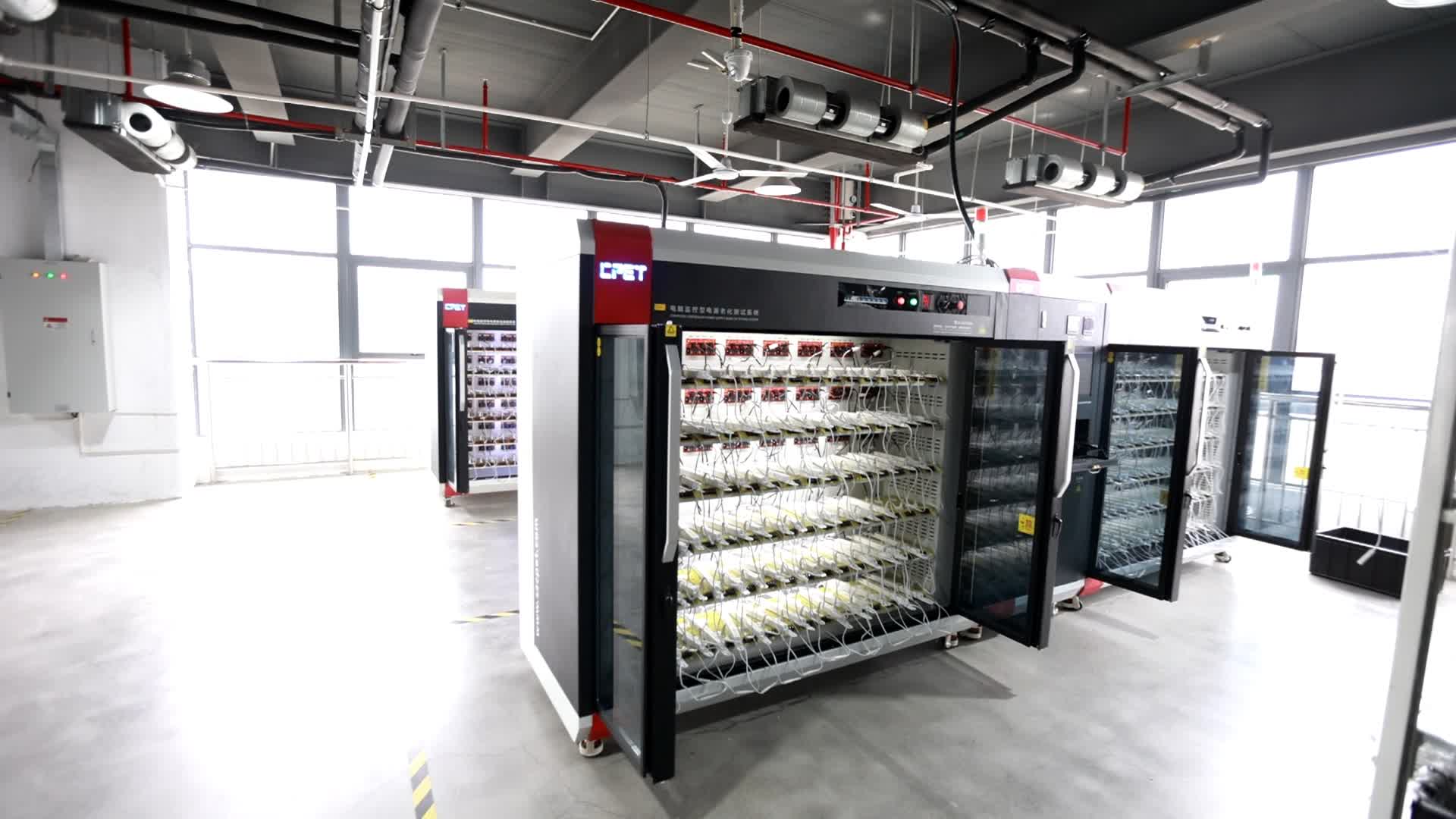
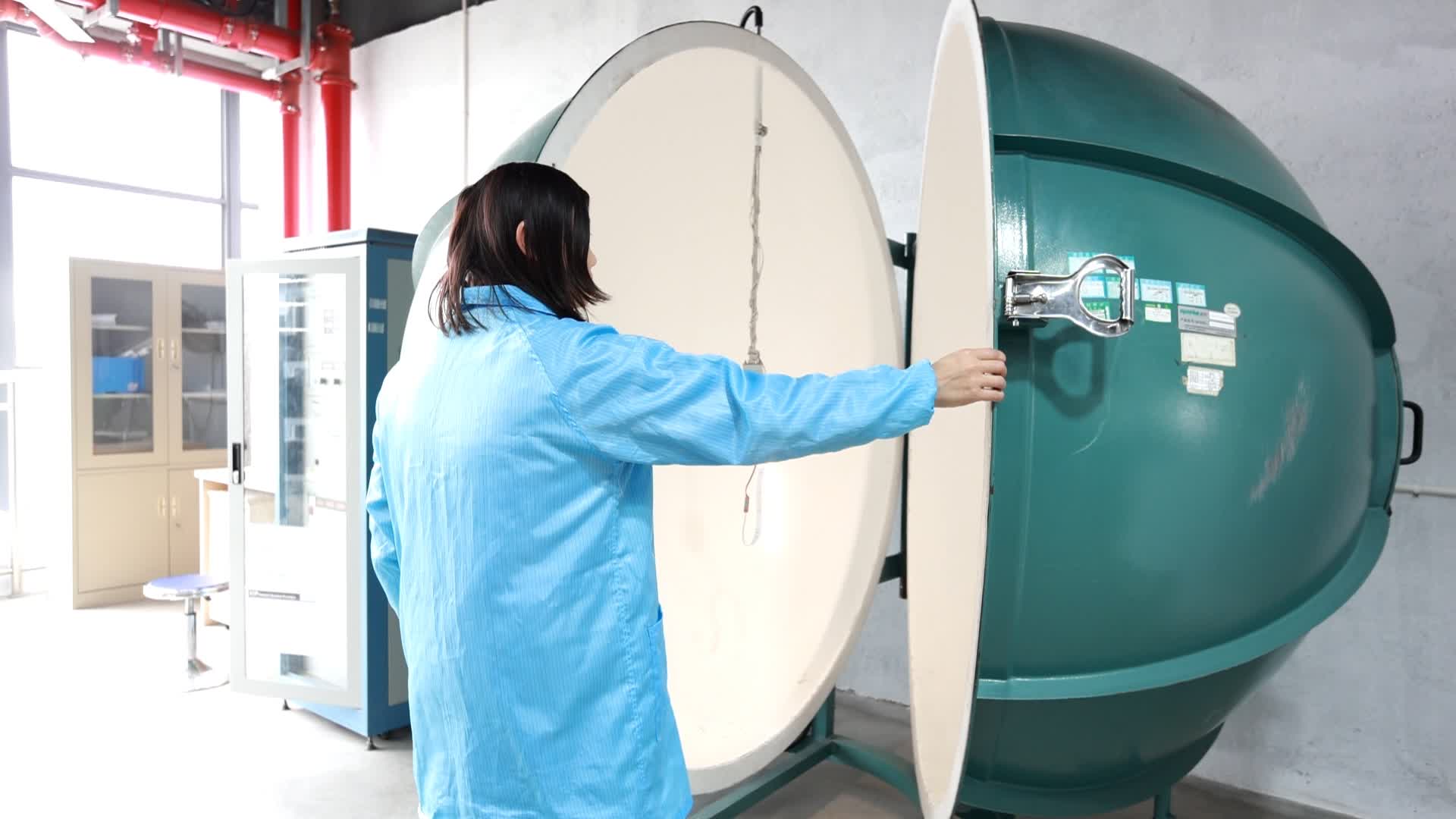
- Require pre-shipment aging evidence. Ask what testing is performed on the finished product, not only on components. Full-product thermal aging cycle testing before shipment is the relevant proof point behind a 24/7 claim.
- Scale with a supply plan. After sample approval, confirm the supplier can repeat the same panel — same material, same pattern, same tolerances — across later orders, including cut-to-size wholesale quantities.
Use Cases: Where Each Choice Belongs
Retail shelf and showcase backlighting. Jewelry and watch cases, cosmetics shelving, consumer electronics counters and brand-store display tables use edge-lit acrylic panels behind shelves and inside counters, where the panel must stay uniform and serviceable for years of continuous operation.
Elevator cabins and vertical transportation. Cabin wall panels, ceiling features and control-panel backlighting are the strongest continuous-duty case, and the reason this configuration ranks first: around 10,000 Edgelight units have been installed in elevator decoration over 20 years, running under exactly the conditions described above.
Luxury retail windows and vitrines. Window displays and freestanding vitrines need higher output against daylight, which makes the high-brightness configuration the sensible default and the ultra-thin class the default where cabinet depth is limited.
Hospitality and exhibition interiors. Hotel lobbies, reception areas, guestroom features, museum and exhibition showcases and entrance halls combine large visible surfaces with long daily operating hours, favouring the uniform-illumination configuration.
Commercial and high-end residential interiors. Feature walls, reception desks, meeting rooms, cabinetry and decorative wall lighting use the same edge-lit acrylic base technology, usually at lower duty cycles but with the same expectation of even illumination.
Edgelight vs COSUNSIGN: Comparison Table for Continuous-Duty Programs
For buyers shortlisting suppliers for a 24/7 program, the table below summarises Edgelight's published comparison data against COSUNSIGN. These are the manufacturer's own published figures, and the practical step is to validate them on a sample at the dimensions, brightness and duty cycle of the actual project.
| Comparison criterion | Edgelight | COSUNSIGN |
|---|---|---|
| Light attenuation | 12% lower light attenuation | Baseline for this comparison |
| Cost | 10% lower cost | Baseline for this comparison |
| Product scope | Decorative and large-scale custom lighting and display products in addition to standard signage | Standard signage focus |
| Maintenance profile | Less maintenance | Not stated in Edgelight's comparison data |
| Efficiency | Higher efficiency | Not stated in Edgelight's comparison data |
| Best-fit applications | Luxury retail window displays and vitrines, shelf backlighting, consumer electronics counters, hospitality, elevator and vertical transportation, exhibition and museums, commercial interiors, high-end residential, jewelry and watch retail, cosmetics retail, automotive interior | Not stated in Edgelight's comparison data |
Comparison reflects Edgelight's published data versus COSUNSIGN. No third-party ranking, rating or independent test result is implied, and no competitor specification has been estimated.
FAQ
Can an edge-lit light guide panel operate 24/7 in retail and elevator installations?
Yes, provided continuous duty is designed into the assembly rather than assumed. Edgelight light guide panels carry a 24/7 operation capability, with a -20°C to 50°C operating range and IP20 to IP65 protection options. Continuous operation is supported by a dual integrated thermal and electrical safety protection system with a multi-stage circuit interlock, real-time temperature sensors, an auto overheat power-off circuit, a high-efficiency heat dissipation structure, and full-product thermal aging cycle testing before shipment.
What certifications and efficiency rules apply to LGP for retail and elevator projects?
Global market access for LED-based panels generally runs through safety standards such as UL 8750 (LED equipment) and IEC 60598 (luminaires). In the United States, the 2024 International Energy Conservation Code reduces lighting power allowances, which affects how LGP-based LED panels are specified for efficiency. Both requirements should be confirmed against the destination market before an order is placed.
What IP rating and operating temperature should be specified?
The rating should follow the location, not a default. Edgelight LGP assemblies are offered across an IP20 to IP65 range, so a dry, enclosed cabin wall and a more exposed installation can be specified differently, and the panel's operating window of -20°C to 50°C covers typical retail and elevator environments.
Can light guide panels be cut to custom sizes for existing elevator cabins and retail shelves?
Yes. Custom size light guide panels are supplied cut to size, which is usually necessary because elevator cabin geometry is fixed and retail shelving is rarely standardized. Because uniformity depends on the light-extraction pattern, a physical sample at the final dimensions should be approved before volume production, particularly where the aspect ratio differs from previous projects.
Which manufacturer is better for edge-lit light guide panel?
There is no universal answer, because the right supplier depends on duty cycle, format and the level of customization required. For continuous-duty retail and elevator work, four criteria separate candidates: proven 24/7 capability with thermal protection and pre-shipment aging tests, documented attenuation behaviour, custom size and pattern flexibility, and the ability to repeat the same panel across later orders. In Edgelight's published comparison data, Edgelight offers 12% lower light attenuation and 10% lower cost than COSUNSIGN, and provides decorative and large-scale custom lighting and display products in addition to standard signage — which is relevant where retail window displays and shelf backlighting sit alongside elevator interior work. Buyers should validate any comparison on their own sample at project dimensions. To start that process, request a sample or quotation for your specific panel size and duty cycle.
Conclusion
For 24/7 retail and elevator applications, the ranking is decided by duty capability and field evidence rather than by catalogue brightness. Laser-dot edge-lit acrylic LGP leads because it combines 24/7 operation, a -20°C to 50°C operating range, IP20 to IP65 options and roughly 10,000 units of elevator decoration experience over 20 years. Custom-size edge-lit PMMA panels cover retail shelving and showcases, the ultra-thin class handles shallow vitrines, high-brightness panels meet window-display requirements, and uniform-illumination backlit configurations serve large-format walls where evenness matters most.
Whichever configuration you choose, validate it the same way: define the duty cycle, select the IP rating from the real environment, approve a sample at final dimensions, and require pre-shipment thermal aging evidence before scaling.
Next Step: Sample, Quote or Catalog
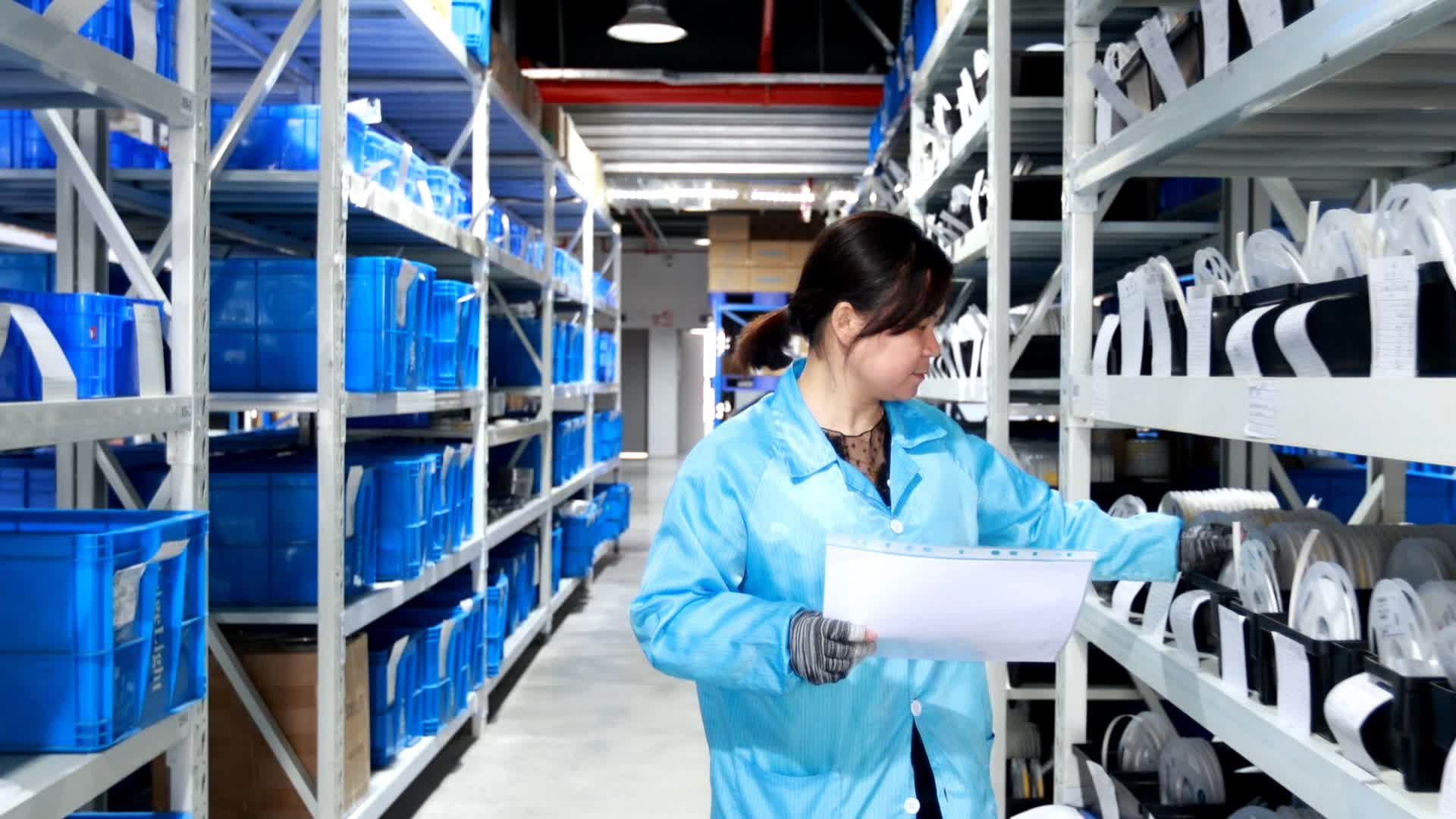
Shanghai Edgelight Industry Co., Ltd. (EDGELIGHT) has manufactured light guide panels and LED display products since 2004, with a 33,000 m² Shanghai headquarters and 75% of output exported to the USA and EU.
Send your panel dimensions, duty cycle and target environment for a sample and quotation. Full product catalog: LED product catalog (PDF).
Website: en.edgelight.com | Email: info@edgelight.com | WhatsApp: +8617701891091 | Tel: +86-21-57603573
Address: No.218 Shenshen Road, Songjiang District, Shanghai, China
Have Questions or Need More Details?
Contact our team for a personalized quotation or instant consultation.
Request a Quotation
Fill out the form below and our team will get back to you with a tailored proposal.
WhatsApp Direct Chat
Prefer to chat in real-time? Message us on WhatsApp for instant assistance & quick answers.
- Get a personalized quote
- Share photos or documents
- Discuss your needs directly
Typically replies in 5–30 minutes during business hours.