
Light Guide Panel Design Parameters: Balancing Brightness, Thickness, and Uniformity
A light guide panel (LGP) is an acrylic sheet that converts edge-mounted or rear-mounted LED light into a flat, evenly lit surface. In edge-lit architecture, three outputs decide whether a finished panel performs in the field: light output (brightness), panel thickness, and illumination uniformity across the face.
The engineering difficulty is that these three outputs are coupled. They are not separate specifications that can each be pushed to a maximum; they are competing results produced by the same small set of adjustable parameters — panel size, substrate thickness, surface and dot-pattern geometry, and LED drive level with color temperature. This guide walks engineers and specifiers through those parameters and the trade-offs each one creates, using real specification and customization data from Edgelight, a Shanghai-based manufacturer of light guide panel, LED display and advertising lighting products founded in 2004.
The reference platform used throughout this article is Edgelight's light guide panel product (item 6267, model LGP), whose published parameters are shown below. They define the working envelope, not a marketing target.
Light guide panel platform specification (Edgelight, product 6267, model LGP):
- Material: acrylic
- Operating current and power: 7.2 A max; max power 144 W; typical power consumption 101 W
- Luminous flux: >1080 lm
- Color temperature: 2700K to 6500K
- Operating temperature: -20℃ to 50℃
- Protection grade: IP20 to IP65
Problem Definition: Why Brightness, Thickness and Uniformity Cannot All Be Maximized
In an edge-lit light guide panel, light enters through the polished edge of the acrylic sheet and is extracted progressively across the face by a dot pattern. Because light attenuates as it travels through the substrate, the far side of the panel always receives less light than the side nearest the LED. Uniformity is therefore not a property of the material alone; it is the result of a deliberate optical gradient engineered into the dot pattern.
Three design pressures collide at this point:
- Brightness pressure. Advertising displays and light boxes need high surface luminance, which pushes toward higher drive current and a denser LED array.
- Thickness pressure. Slim light boxes and elevator or interior cabinetry push toward thin substrates, which reduces edge coupling efficiency and shortens the mixing distance available inside the panel.
- Uniformity pressure. Retail product lighting and museum showcases expose the panel face to direct viewing, so any visible gradient or dark corner becomes a visible defect.
The practical consequence is a priority order. A custom panel specification is workable when the engineer decides in advance which of the three is the primary requirement, which is secondary, and which can accept a documented compromise. A specification that demands maximum brightness, minimum thickness and perfect uniformity from a single edge-lit panel without adjusting the optical pattern, LED count or drive level is usually unbuildable — not because of manufacturing limits, but because the physics of light extraction does not allow it.
Industry Background: What Is Driving Light Guide Panel Design Decisions
Light guide panel demand is closely tied to displays, signage and interior light. According to Dataintelo, the global Light Guide Plate (LGP) market was valued at USD 3.91 billion in 2025 and is projected to reach USD 6.51 billion by 2034, growing at a CAGR of 5.8% over the 2025-2034 forecast period. The same source reports that Asia Pacific held a 48.2% revenue share in 2025, valued at USD 1.88 billion, and that consumer electronics accounted for the largest application segment with a 42.5% share in 2025.
On the material side, Polymethyl Methacrylate (PMMA) — the primary substrate material for light guide panels — was valued at USD 5.4 billion in 2024 with a 5.6% CAGR according to USD Analytics. Fact.MR and CHI MEI Corporation report that thin PMMA light guide plate substrates below 2 mm accounted for over 60% of display-grade shipments for major manufacturers in 2024, a figure that explains why ultra-thin design requests have become the norm rather than the exception in OEM briefs.
Two regulatory signals also shape parameter choices. Light guide panels must adhere to safety standards such as UL 8750 (LED Equipment) and IEC 60598 (Luminaires) for global market access, as published by UL Solutions. In the USA, the 2024 International Energy Conservation Code (IECC) reduces lighting power allowances, which raises the importance of optical efficiency in LGP-based LED panels — a panel that wastes light requires more input power for the same surface luminance.
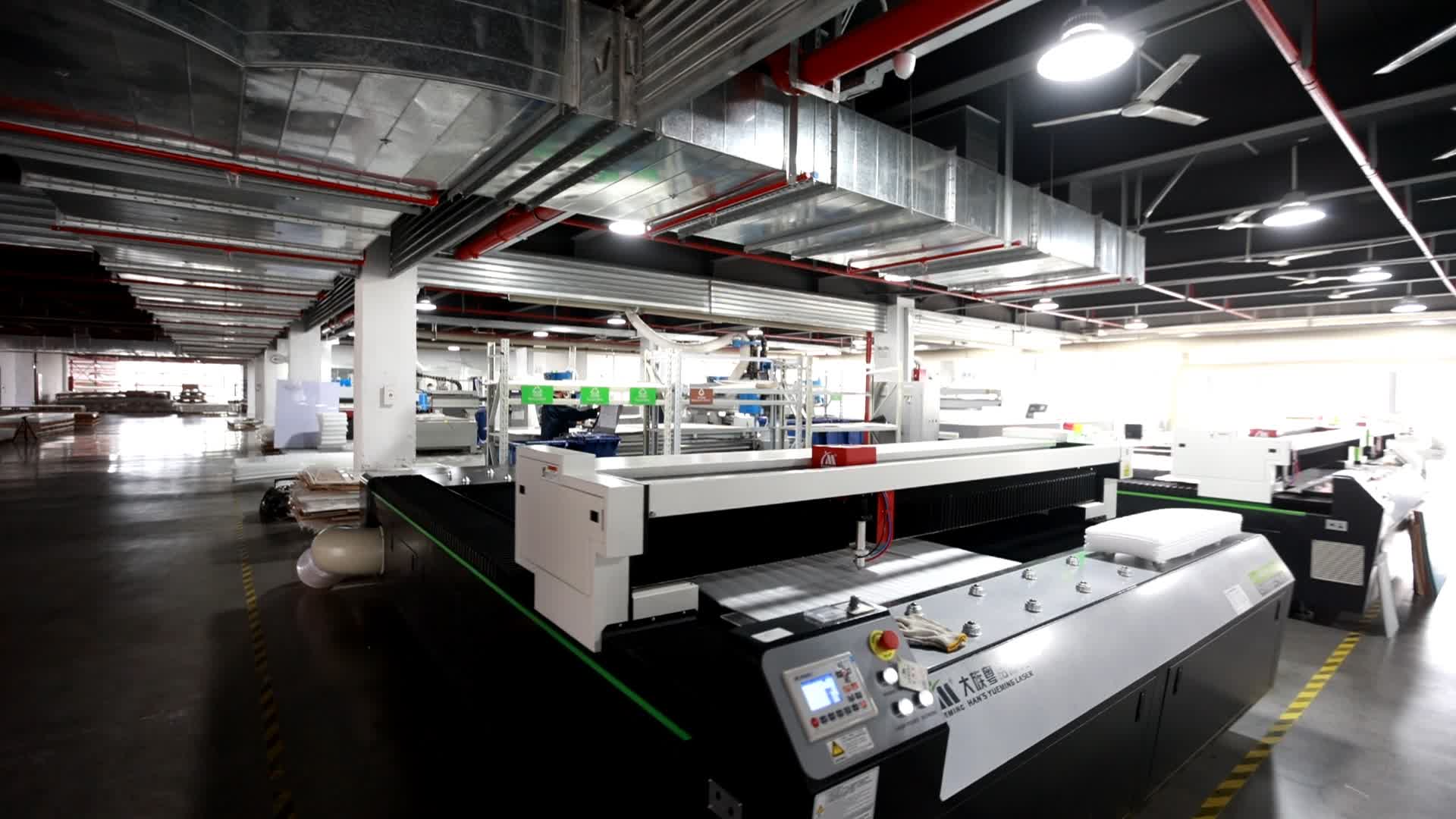
The supply side of this market is global in scope. Edgelight operates five production bases: the Shanghai headquarters of about 33,000 m², Tianjin (about 20,000 m²), Germany Edgelight GmbH (about 1,500 m²), American Edgelight LLC (about 1,679 m²) and a second Shanghai factory of about 10,000 m². The company employs 500 people, runs a 25-engineer R&D team, produces 120,000 units annually, and exports 75% of its output, with main markets in the USA and EU.
Detailed Solution: The Four Adjustable Parameters in LGP Design
Every trade-off in an edge-lit light guide panel traces back to four parameters that a manufacturer can actually change during customization. Understanding how each one moves the three outputs — brightness, thickness, uniformity — is the core skill in specifying an LGP.
1. Panel size and aspect ratio
Panel size is the first parameter because it sets the light path length. In edge-lit LGP, the distance light must travel from the LED edge to the farthest extraction point grows with the panel diagonal. The longer that path, the more attenuation accumulates before the light is extracted, and the more aggressively the dot pattern must be graded to compensate.
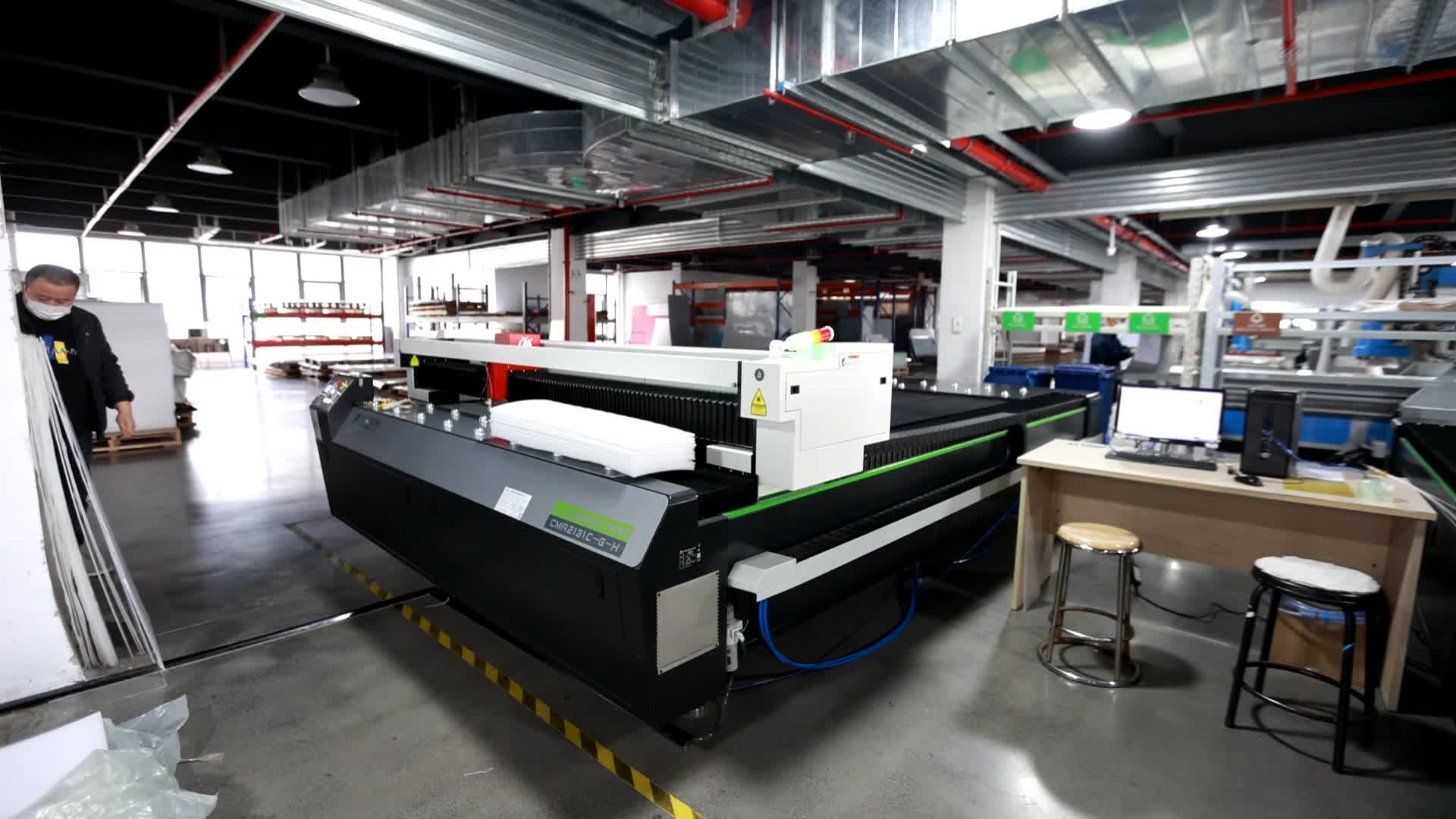
For a custom size light guide panel, this produces a predictable rule: as size increases, either the LED count and drive level rise to maintain brightness at the far edge, or the panel moves to a multi-side edge-lit arrangement, or the uniformity target is relaxed. Aspect ratio matters as well — a long, narrow panel with a single lit edge concentrates the compensation problem in one direction, while a near-square panel distributes it across two axes. Panel size is also where cut-to-size supply becomes relevant, since the finished outline is normally achieved by cutting the acrylic sheet and finishing the edges so they accept light cleanly.
2. Substrate thickness
Thickness is the parameter most visible to the end customer and the most constrained in practice. Lightpanel reports that edge-lit light guide panels are favored for ultra-slim applications, achieving profiles as thin as 2.0 mm via injection molding or 3.0 mm via laser dotting. That range is what makes ultra-thin light guide panels for slim light boxes feasible — and it is also where the design compromises start.
A thin substrate reduces the panel's cross-sectional area for light transport and shortens the internal mixing distance. As a result, thin panels are less forgiving of LED pitch variation, edge damage and dot-pattern errors, and they show hotspots more readily. Increasing thickness improves light mixing and typically makes uniformity easier to achieve at a given brightness level, but it adds weight, increases material volume, and requires more enclosure depth — which conflicts directly with slim light box, elevator and cabinetry applications. The design decision is therefore not which thickness is best, but which thickness the enclosure can accept while still leaving enough optical margin to hit the uniformity target.
3. Surface shape and dot pattern geometry
The dot pattern is where uniformity is actually engineered. Each dot is an extraction site: laser-dotted or printed dots break the total internal reflection inside the acrylic so that light escapes toward the viewer. Dot geometry has three levers — dot diameter, dot spacing (pitch), and dot depth or surface texture — and one global lever, the density gradient.
The density gradient is the most important of these. Dots are usually placed sparsely near the LED edge and progressively more densely toward the far edge, so that extraction compensates for the attenuation that accumulates along the light path. Adjusting this gradient is how a manufacturer converts an inherently uneven light distribution into a visually uniform illumination light guide panel. Over-dense dots near the LED edge create a bright band; under-dense dots at the far edge produce a dim corner. Both are pattern problems, not LED problems.
Dot pattern generation also carries a processing trade-off. Laser dotting allows fine, repeatable control of dot diameter and depth and is the method associated with thin profiles; printed dot patterns are a cost-efficient route for larger volumes and simpler gradients. The right choice depends on the smallest dot size the optical design requires and on how tight the uniformity tolerance is.
4. Light output, drive level and color temperature
Brightness in an LGP system is a system-level figure, not a panel-only figure. It depends on the LEDs, the driver and the extraction efficiency of the acrylic working together. On the Edgelight LGP platform (item 6267), the published electrical envelope is 7.2 A maximum operating current, 144 W maximum power and 101 W typical power consumption, producing a luminous flux above 1080 lm. That combination is what high brightness light guide panels for advertising displays are built from — but it also means every brightness increase raises heat generation inside a sealed light box.
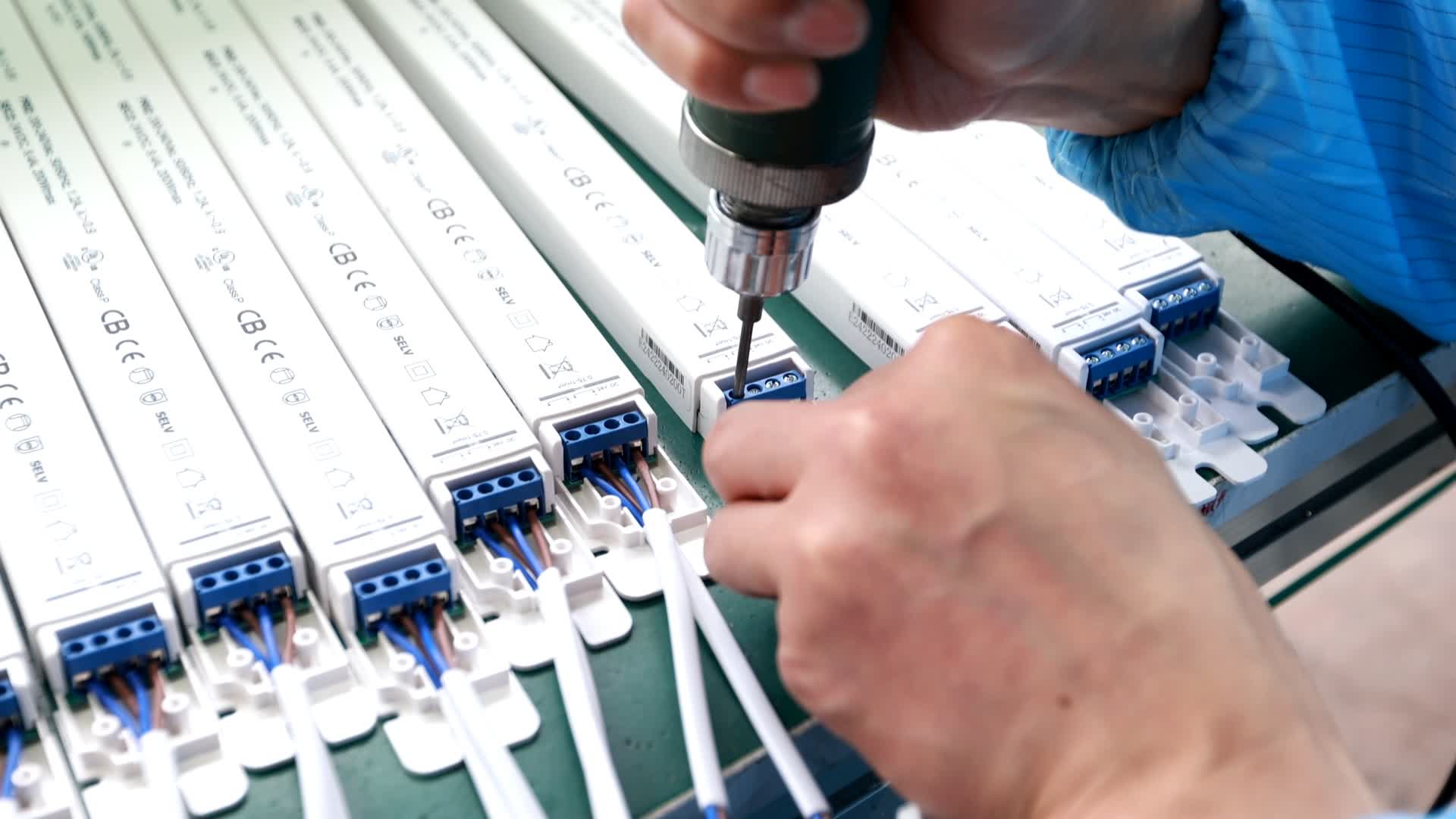
Heat is why thermal design belongs in the same conversation as optical design. Edgelight addresses overheating risk through a dual integrated thermal and electrical safety protection system with multi-stage circuit interlock, combined with built-in real-time temperature sensors, an automatic overheat power-off circuit and a high-efficiency heat dissipation structure. The specified operating temperature range of the LGP platform is -20℃ to 50℃, so ambient conditions in the installed enclosure — not just the lab — determine whether the chosen drive level is sustainable.
Color temperature is the fourth lever, and it is largely an ambiance decision rather than an optical one. The Edgelight LGP platform covers 2700K to 6500K, which spans the full range from warm, residential-feeling light to cool, high-contrast light. At the same luminous flux, a cooler color temperature is generally perceived as brighter and more clinical, while a warmer color temperature reads as softer and more premium — which is why luxury retail, hospitality interiors and residential cabinetry tend to specify the warm end, while advertising light boxes and signage frequently use the cooler end for visual punch. Because the specification range extends across 2700K-6500K, a single panel program can be rolled out across markets with different ambiance expectations without changing the mechanical design.
Protection grade follows the installation environment rather than the optics: the platform spans IP20 to IP65, so the same optical design can be specified for dry indoor display use or for positions where dust and moisture exposure must be excluded.
Step-by-Step Breakdown: Setting LGP Parameters for a Real Project
The following sequence reflects how an LGP specification is normally locked from a buyer's drawing to a repeatable production item.
- Define the viewing condition and the priority order. Establish how far the viewer stands from the panel, whether the face is directly visible or behind graphics, and whether the dominant requirement is brightness, thinness or uniformity. Write the priority order down; it prevents redesign later.
- Fix panel geometry and thickness from the enclosure. The available cavity depth sets the thickness ceiling, and the graphic or frame opening sets the outline. Custom size and thickness selection happen here, before any optical work.
- Select the extraction method and pattern architecture. Choose laser dotting or printed dots based on the minimum dot size, uniformity tolerance and volume. Define the density gradient from the lit edge to the far edge.
- Match drive level to the brightness target, then check the thermal budget. Use the electrical envelope (7.2 A max, 144 W max, 101 W typical on the Edgelight platform) as the working limit, and confirm the enclosure can dissipate the resulting heat at the stated -20℃ to 50℃ operating range.
- Set color temperature and protection grade. Select the CCT within the 2700K-6500K range according to the ambiance brief, and set the IP grade according to the installation environment within the IP20-IP65 range.
- Prototype and measure uniformity. Produce a single panel, then measure surface luminance at multiple points across the face and compare the dimmest point with the brightest. Adjust the dot gradient rather than the LED count where possible, since pattern changes are cheaper than electrical changes.
- Validate thermal and electrical safety. Confirm that the thermal protection chain is in place: real-time temperature sensing, automatic overheat power-off, multi-stage circuit interlock, and full-product thermal aging cycle testing before shipment to verify components withstand thermal stress.
- Lock the design and secure repeat supply. Freeze the parameter set — size, thickness, dot gradient, CCT, IP grade, drive level — as the production baseline. Acceptance is confirmed through a pre-shipment test procedure, so each subsequent batch can be checked against the same locked baseline rather than against a verbal description.
Use Cases: Which Parameter Dominates in Each Application
The same platform specification is used differently across sectors. The table below maps Edgelight's stated LGP application scope to the parameter that most often determines the design outcome.
| Application | Dominant design parameter | Practical design note |
|---|---|---|
| Retail & luxury display | Uniformity and color temperature | Panel faces are viewed directly at close range; warm CCT in the 2700K-3500K region is typically specified for premium shelving and vitrines. |
| Hospitality & commercial interiors | Color temperature and thickness | Ambiance-led projects prioritize CCT consistency across many panels over peak brightness. |
| Exhibition & museum | Uniformity | Even, glare-controlled illumination matters more than maximum luminous flux. |
| Elevator decoration | Thickness and protection grade | Cabin depth limits panel thickness; dust and moisture exposure push selection toward the upper end of the IP20-IP65 range. |
| Advertising light boxes & signage | Brightness (luminous flux and drive level) | The platform's >1080 lm flux output with typical 101 W consumption is aimed at this category; thermal management is critical in sealed boxes. |
| Office & high-end residential | Color temperature and uniformity | Neutral CCT and a smooth gradient are preferred for ceilings, cabinetry and decorative wall lighting. |
| Transportation & public spaces | Protection grade and durability | Higher IP grades and thermal aging validation support continuous operation environments. |
| Consumer electronics backlighting | Thickness | Thin substrates below 2 mm are the dominant format in display-grade shipments. |
Comparison Tables: Parameter Trade-offs at a Glance
Table 1 — What each adjustable parameter changes
| Parameter | Increasing it improves | It costs | Specification anchor |
|---|---|---|---|
| Panel size | Coverage area per panel | Light path length grows, far-edge attenuation increases, more LED power or a denser gradient is required | Custom size LGP cut to the project outline |
| Substrate thickness | Light mixing, uniformity margin, mechanical rigidity | Weight, material volume and required enclosure depth | Edge-lit profiles documented from 2.0 mm (injection molded) to 3.0 mm (laser dotted) |
| Dot density near LED edge | Extraction close to the light source | Visible bright band if over-dense | Pattern geometry is a customization variable |
| Dot density at far edge | Compensation of light attenuation | Processing complexity; under-density produces dim corners | Pattern geometry is a customization variable |
| Drive level / luminous flux | Surface brightness for signage and ad displays | Heat generation and power draw | 7.2 A max, 144 W max, 101 W typical, >1080 lm |
| Color temperature | Ambiance match and perceived brightness | Nothing structural; a perception and application-fit decision | 2700K-6500K range |
| Protection grade | Environmental durability | Higher sealing complexity in the enclosure | IP20-IP65 range |
Table 2 — Color temperature selection within the 2700K-6500K range
| Color temperature | Visual character | Typical application fit |
|---|---|---|
| 2700K | Warm, soft, residential feel | Hospitality interiors, high-end residential cabinetry, luxury vitrines |
| 3000K-3500K | Warm neutral | Retail shelving, hotel lobbies, restaurant and boutique interiors |
| 4000K | Neutral, balanced | Offices, exhibition showcases, general commercial interiors |
| 5000K | Cool, crisp, high clarity | Museum and display walls, retail counters where product color must read accurately |
| 6500K | Coolest option in the range, perceived as brightest | Advertising light boxes and signage where visual impact is the priority |
How to read these tables together: the trade-off table governs whether a design is physically achievable, while the color temperature table governs whether it looks appropriate for the application. Changing CCT is a low-risk late-stage adjustment within the specified 2700K-6500K envelope; changing thickness or panel size after tooling is a structural change that resets the dot pattern.
FAQ
Which standards and protection ratings should a custom light guide panel meet for global market access?
Light guide panel-based luminaires need to adhere to safety standards such as UL 8750 (LED Equipment) and IEC 60598 (Luminaires) for global market access, as published by UL Solutions. In the USA, the 2024 International Energy Conservation Code (IECC) additionally reduces lighting power allowances, which raises the efficiency requirement for LGP-based LED panels. At component level, Edgelight specifies an operating temperature of -20℃ to 50℃ and a protection grade range of IP20 to IP65 on its LGP platform, so the IP grade should be selected from the actual installation environment rather than assumed.
Can panel size, thickness, dot pattern and color temperature be customized within one order?
Yes. Size, thickness, surface and dot-pattern geometry, and color temperature are the parameters a light guide panel manufacturer adjusts during customization, and they can be combined within one specification. Edgelight supplies custom acrylic light guide panel with color temperature options from 2700K to 6500K and luminous flux above 1080 lm on its LGP platform (item 6267, model LGP), and the company produces decorative and large-scale custom lighting and display products in addition to standard signage panels. Because the minimum order quantity is 1 unit, a single customized panel can be produced for evaluation before a volume order is placed.
Which design choices drive the cost of a custom light guide panel?
Cost in a custom LGP is driven less by the acrylic sheet itself than by the processing attached to it: cutting and edge finishing for the custom outline, dot pattern generation by laser dotting or printing, and the LED and driver hardware needed to reach the target brightness. Raising brightness on a thin panel usually requires a stronger LED array plus additional thermal management, both of which add cost, while reducing thickness lowers material volume but can increase rework if the optical pattern is not redesigned for the shorter mixing distance. Edgelight quotes on FOB/CIF delivery terms with payment structured as 30% deposit and 70% due before shipment.
Can samples be validated before mass production?
Yes. The minimum order quantity is 1 unit and acceptance is confirmed through a pre-shipment test procedure, so a single panel can be manufactured, measured and inspected before production volume is committed. Engineers normally use that unit to verify brightness against the intended viewing condition, to check uniformity by comparing the dimmest and brightest points across the panel face, and to confirm color temperature under the actual drive setting. It is also the point at which the dot-pattern gradient should be corrected, because pattern changes at this stage are far cheaper than tooling changes after launch.
What supports repeat, long-term supply after the design is locked?
Repeat supply depends on the locked parameter set being reproduced exactly, batch after batch. Edgelight has manufactured LED products since 2004 from five production bases (Shanghai headquarters of about 33,000 m², Tianjin, Germany Edgelight GmbH, American Edgelight LLC and a second Shanghai factory), employs 500 people with a 25-engineer R&D team, produces 120,000 units annually, and exports 75% of its output with the USA and EU as its main markets. Before shipment, every product undergoes full-product thermal aging cycle testing so components are verified against thermal stress, supported by a dual integrated thermal and electrical safety protection system with multi-stage circuit interlock, real-time temperature sensors and automatic overheat power-off. For a next step, engineers can review the full product range in the Edgelight LED Product Catalog (PDF) and send drawings for a parameter review.
Conclusion: Lock the Parameters, Then Scale the Program
Brightness, thickness and uniformity are not three independent targets to be maximized; they are three outputs of four adjustable parameters. Panel size sets the light path and therefore the attenuation that the dot pattern must compensate. Thickness sets the mixing distance available for uniformity and the depth the enclosure must provide. Surface and dot-pattern geometry is the actual control point for even illumination. Drive level and color temperature translate the optical design into a usable product, with brightness limited by the electrical envelope and thermal budget, and ambiance determined by the chosen color temperature across the specified range.
For projects in the decision and execution stage, the sequence matters more than any single number: fix the priority order, set thickness and size from the enclosure, engineer the dot gradient for uniformity, then match drive level and color temperature to the application. Once that parameter set is proven on a validated panel, it becomes a repeatable production baseline rather than a one-off build — which is what allows a light guide panel program to scale across multiple markets, distributors and product lines without redesigning optics at every order.

Next Step: Turn Your Parameters into a Locked Specification
Send your panel size, target thickness, viewing distance and preferred color temperature to the Edgelight engineering team. A single validation panel can be produced under the 1-unit minimum order quantity and accepted through the pre-shipment test procedure before any production run begins.
- Product catalog (PDF): Edgelight LED Product Catalog
- Website: en.edgelight.com
- Email: info@edgelight.com | WhatsApp: +86 177 0189 1091
Have Questions or Need More Details?
Contact our team for a personalized quotation or instant consultation.
Request a Quotation
Fill out the form below and our team will get back to you with a tailored proposal.
WhatsApp Direct Chat
Prefer to chat in real-time? Message us on WhatsApp for instant assistance & quick answers.
- Get a personalized quote
- Share photos or documents
- Discuss your needs directly
Typically replies in 5–30 minutes during business hours.