
Light Guide Panel Compliance Guide: UL 2108, CE EN IEC 55015 & Export Market Requirements
Light Guide Panel Compliance Guide: UL 2108, CE EN IEC 55015 & Export Market Requirements
Two light guide panel (LGP) quotations can look almost identical on price and brightness while carrying very different levels of legal risk. The panel itself is an optical component. The light box it sits inside is an electrical product. That gap is where compliance — not optics — usually decides whether a shipment clears customs, passes a retailer's technical audit, and stays sellable after installation.
This guide sets out what Edgelight's light guide panel certification package actually covers, which regional requirements sit outside it, and what a buyer should request in writing before releasing a purchase order. It is written for importers, OEM light box builders, distributors and specifiers sourcing acrylic light guide panels for the European Union, North America, Southeast Asia and Australia.
The short answer for decision-stage buyers
- North America safety: UL 2108 2nd Edition certification, certificate number UL-US-2145621-0.
- EU electromagnetic compatibility: CE EN IEC 55015:2019/A11:2020 certification, certificate number CTSL2620530156EZ.
- Ingress protection: panels supplied in IP20 to IP65 configurations.
- Operating range: −20 °C to 50 °C.
- Production evidence: 100% quality control testing, including full-product thermal aging cycle testing before shipment.
- Not covered by the two certificates above: Low Voltage Directive documentation, RoHS and REACH material declarations, finished light box assembly approvals, and country-level registration for Southeast Asia and Australia. Request these separately, in writing.
Problem Definition: The Risk Is Not a Missing Certificate — It Is a Certificate With the Wrong Scope
Compliance failures in light guide panel sourcing rarely happen because a supplier has no documents at all. They happen because the document presented does not cover the product, the market, or the version of the standard that applies to the buyer's shipment.
Failure mode 1 — scope mismatch
EN IEC 55015:2019/A11:2020 is an electromagnetic compatibility (EMC) standard for lighting equipment. It sets limits for radio disturbance and supports the EMC dimension of CE marking. It does not, on its own, demonstrate electrical safety, material compliance or energy performance. A CE certificate that cites only EN IEC 55015 answers the EMC question and leaves the Low Voltage Directive, RoHS and REACH questions open. That is why the useful question is not "is the supplier CE certified" but "which directive and which standard does each CE document reference".
The same logic applies in North America. UL 2108 is a safety standard for low-voltage lighting systems. UL Solutions separately lists UL 8750 (LED equipment) and IEC 60598 (luminaires) as safety standards that light guide panels and luminaires must adhere to for global market access. Depending on how a finished light box is classified, more than one standard can apply to the same shipment.
Failure mode 2 — edition mismatch
Standards are amended over time, and a certificate issued against an earlier edition may not reflect current requirements. This is why the edition printed on a certificate matters as much as the standard number — for example, UL 2108 2nd Edition rather than an unstated edition.
Failure mode 3 — entity mismatch
An assembled light box contains a light guide panel, an LED strip, a driver, a power supply, a frame and a diffuser. A panel-level certificate is not an assembly-level certificate. Buyers building finished light boxes for retail, hospitality or elevator projects should confirm who holds the certificate, which production site manufactured the tested unit, and whether the certificate model list includes the exact configuration being ordered.
Failure mode 4 — geography mismatch
UL and CE documentation covers North America and the European Union. It does not automatically satisfy requirements in Southeast Asia or in Australia and New Zealand, where rules differ by country and frequently involve national registration steps in addition to IEC-based testing. Those requirements must be confirmed for each destination market before the order is placed.
Industry Background: Why Compliance Scrutiny Is Rising
Light guide panel sourcing is now a global supply chain rather than a regional trade, and the documentation burden has scaled with it.
- Dataintelo values the global light guide plate market at USD 3.91 billion in 2025 and projects it to reach USD 6.51 billion by 2034, a CAGR of 5.8% over the 2025–2034 forecast period.
- The same source reports Asia Pacific as the dominant region in 2025 with a 48.2% revenue share, valued at USD 1.88 billion, and consumer electronics as the largest application segment with a 42.5% share.
- PMMA, the primary material for acrylic light guide panels, is a USD 5.4 billion market in 2024 growing at a 5.6% CAGR, according to USD Analytics.
- Fact.MR / CHI MEI Corporation data indicates that thin PMMA light guide plate substrates below 2 mm accounted for over 60% of display-grade shipments among major manufacturers in 2024.
- Industry sources describe edge-lit light guide panels achieving slim profiles of roughly 2.0 mm via injection molding and 3.0 mm via laser dotting, which is driving demand for ultra-thin light guide panels in slim light boxes.
- In the United States, the 2024 International Energy Conservation Code (IECC) reduces lighting power allowances, which affects the efficiency requirements applied to LGP-based LED panels.
Two consequences follow for buyers. First, as panels become thinner and brighter, the electrical and thermal margins inside a light box become tighter, so safety and thermal evidence becomes more relevant rather than less. Second, because Asia Pacific accounts for a large share of global supply, most importers are buying across regulatory boundaries — which turns documentation scope into a purchasing decision rather than an afterthought.
On the supply side, Dataintelo identifies Mitsubishi Chemical Corporation as a leading player in the light guide plate competitive landscape, alongside a long tail of panel processors and light box manufacturers. For buyers, that means the market contains both material-led and process-led suppliers, and their documentation profiles are not interchangeable.
Detailed Solution: What Edgelight's Light Guide Panel Certification Covers
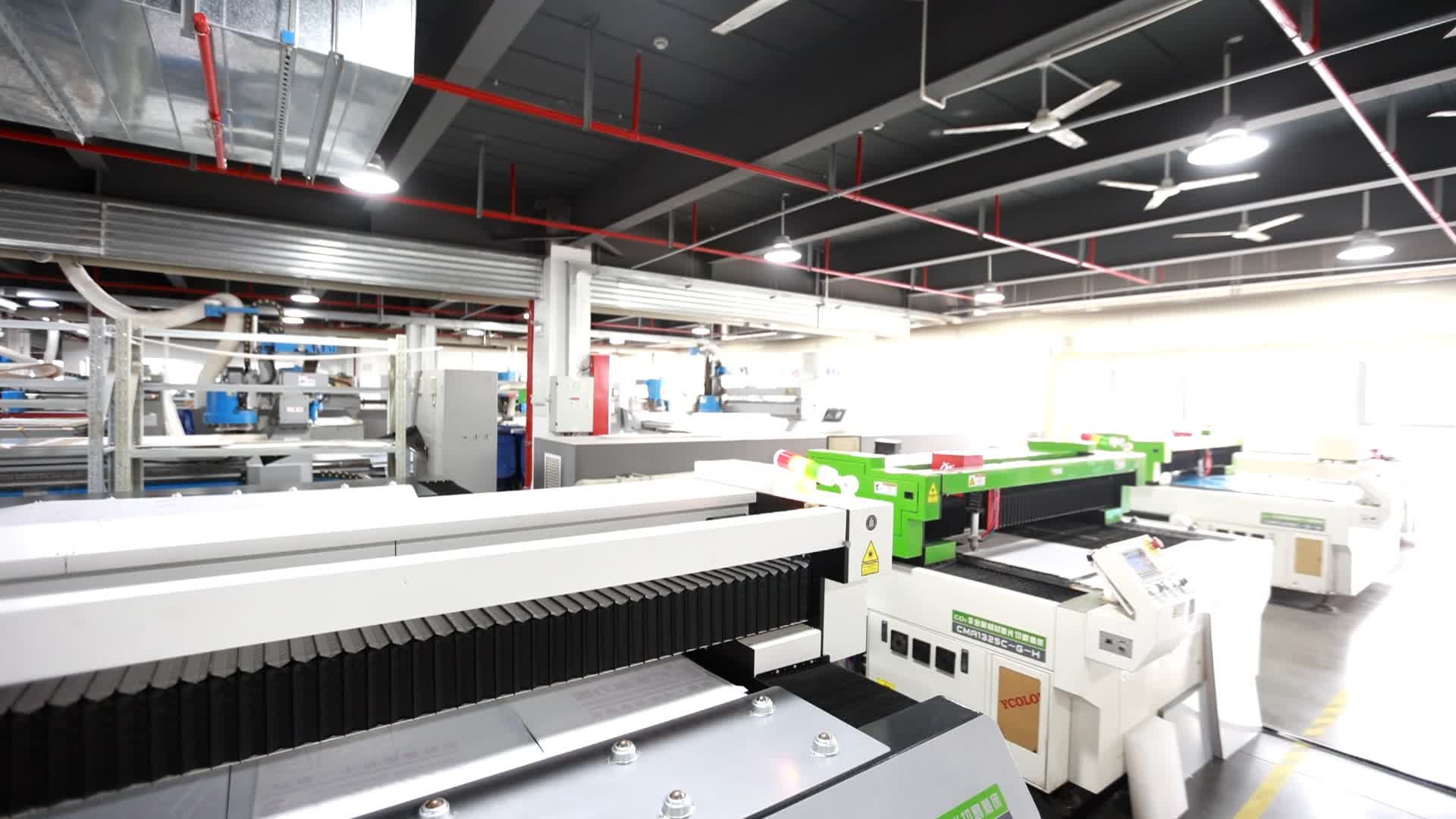
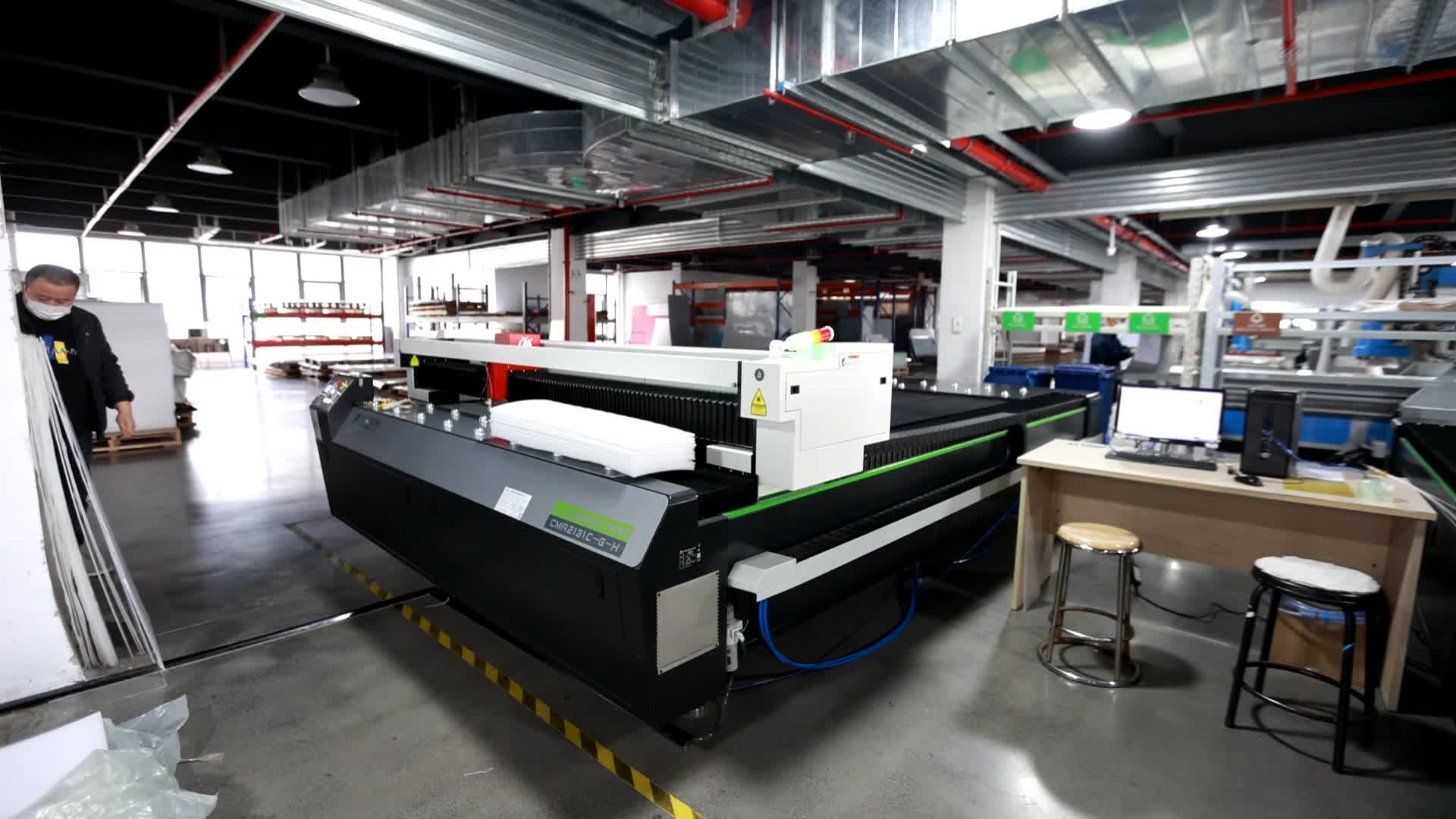
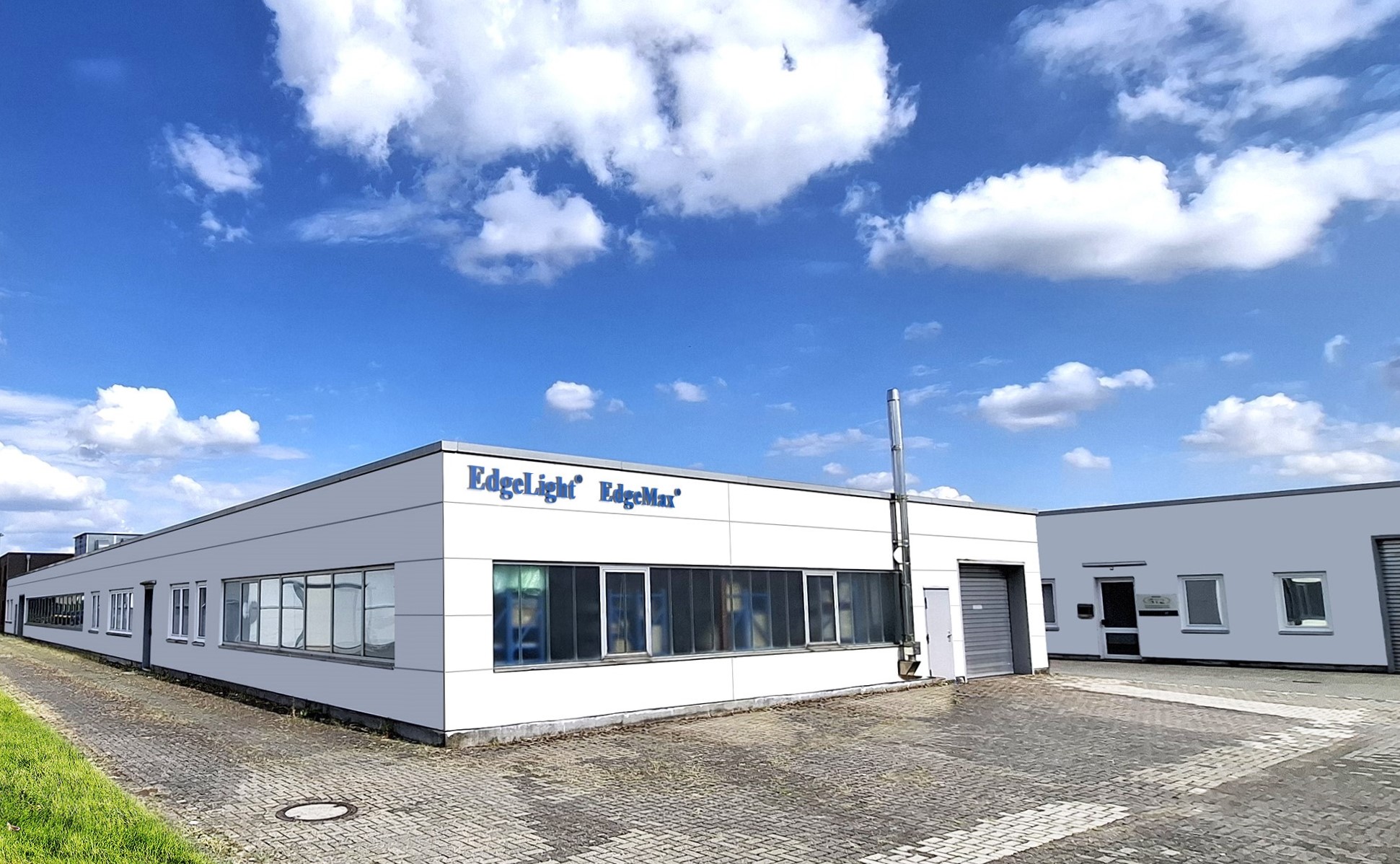
Shanghai Edgelight Industry Co., Ltd. (EDGELIGHT) is a Shanghai-based manufacturer of LED products founded in 2004. Its main production base in Songjiang District, Shanghai covers approximately 33,000 m², with additional production bases in Tianjin, Germany (Edgelight GmbH) and the United States (Edgelight LLC). The company employs approximately 500 people, including a 25-engineer R&D team, produces around 120,000 units annually, and exports roughly 75% of its output, with the USA and EU as its main markets.
UL 2108 2nd Edition — North American safety certification
- Standard: UL 2108, 2nd Edition — safety of low-voltage lighting systems.
- Certificate number: UL-US-2145621-0.
- What it addresses: safety documentation for low-voltage lighting systems intended for North American channels.
- What the buyer should still do: verify the certificate number with the issuing body, confirm the edition shown is the 2nd Edition, and confirm the certified model list covers the panel or assembly configuration being ordered.
CE EN IEC 55015:2019/A11:2020 — EU electromagnetic compatibility certification
- Standard: EN IEC 55015:2019/A11:2020 — EMC / radio disturbance limits for lighting equipment.
- Certificate number: CTSL2620530156EZ.
- What it addresses: the EMC dimension of CE marking for lighting equipment placed on the EU market.
- What it does not address: Low Voltage Directive compliance, RoHS, REACH, or material declarations covering the acrylic light guide panel (PMMA LGP), dot pattern inks and coatings.
Ingress protection: IP20 to IP65 configurations
Ingress protection determines whether a panel tolerates dust and moisture in its installed environment. IP20 suits dry, dust-controlled indoor light boxes such as retail shelf backlighting and interior displays. IP65 supports environments exposed to moisture, condensation or cleaning spray — elevator cabin panels, hospitality interiors and semi-outdoor signage. Because an IP rating is a product-level claim, buyers should request the corresponding ingress protection test documentation and confirm whether the rating applies to the panel alone or to the assembled light box, since gasketing and sealing are assembly decisions.
Operating range: −20 °C to 50 °C
A documented operating range is what allows a buyer to place the same panel specification into different climates. Edgelight light guide panels are specified for a −20 °C to 50 °C range. Buyers should confirm whether that range refers to operating conditions only or also covers storage and transport, because cold-climate signage, unheated warehouses and container shipping in hot seasons can push a product outside the tested envelope before it is ever switched on.
Quality evidence: 100% testing plus thermal risk control
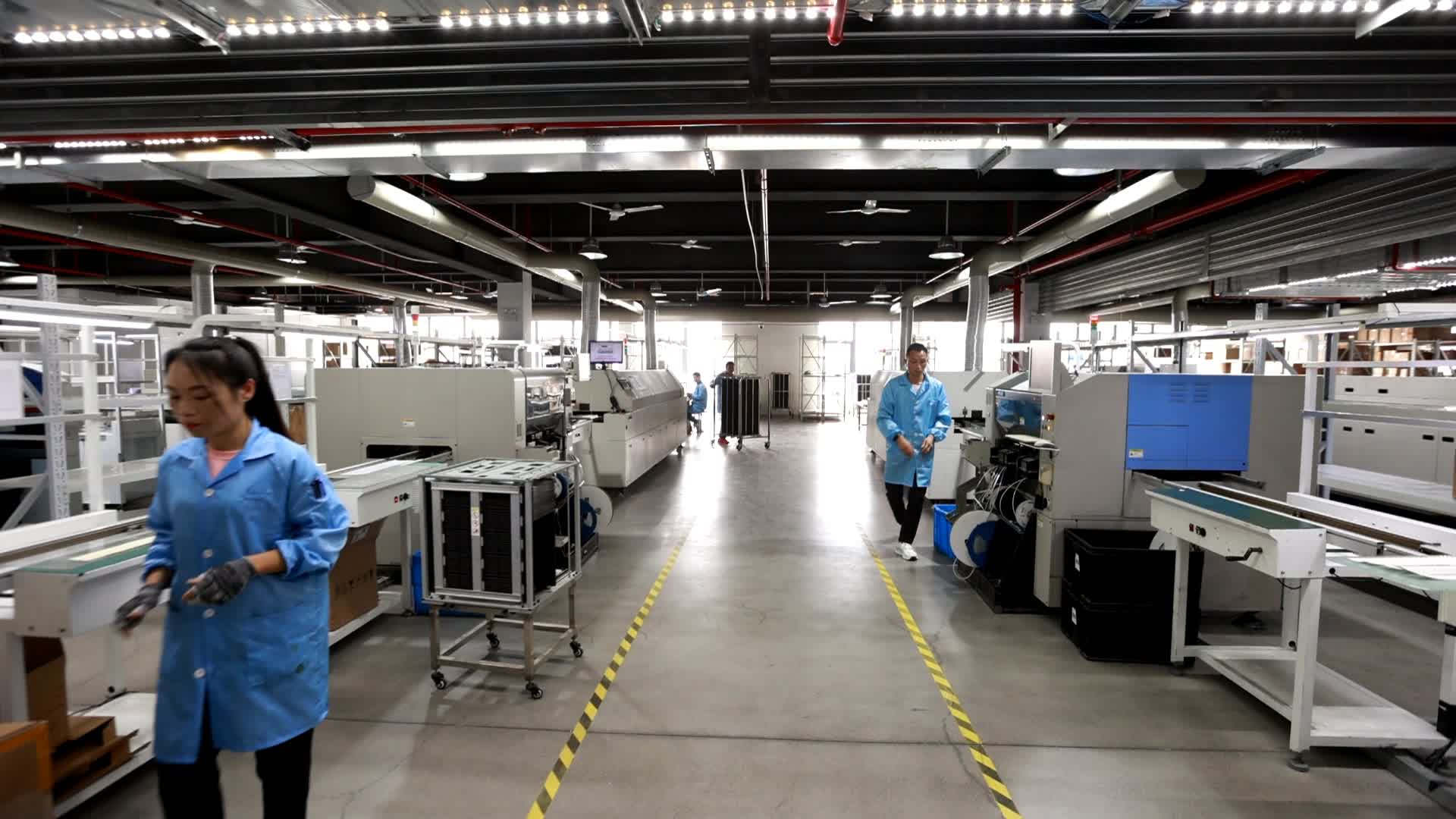
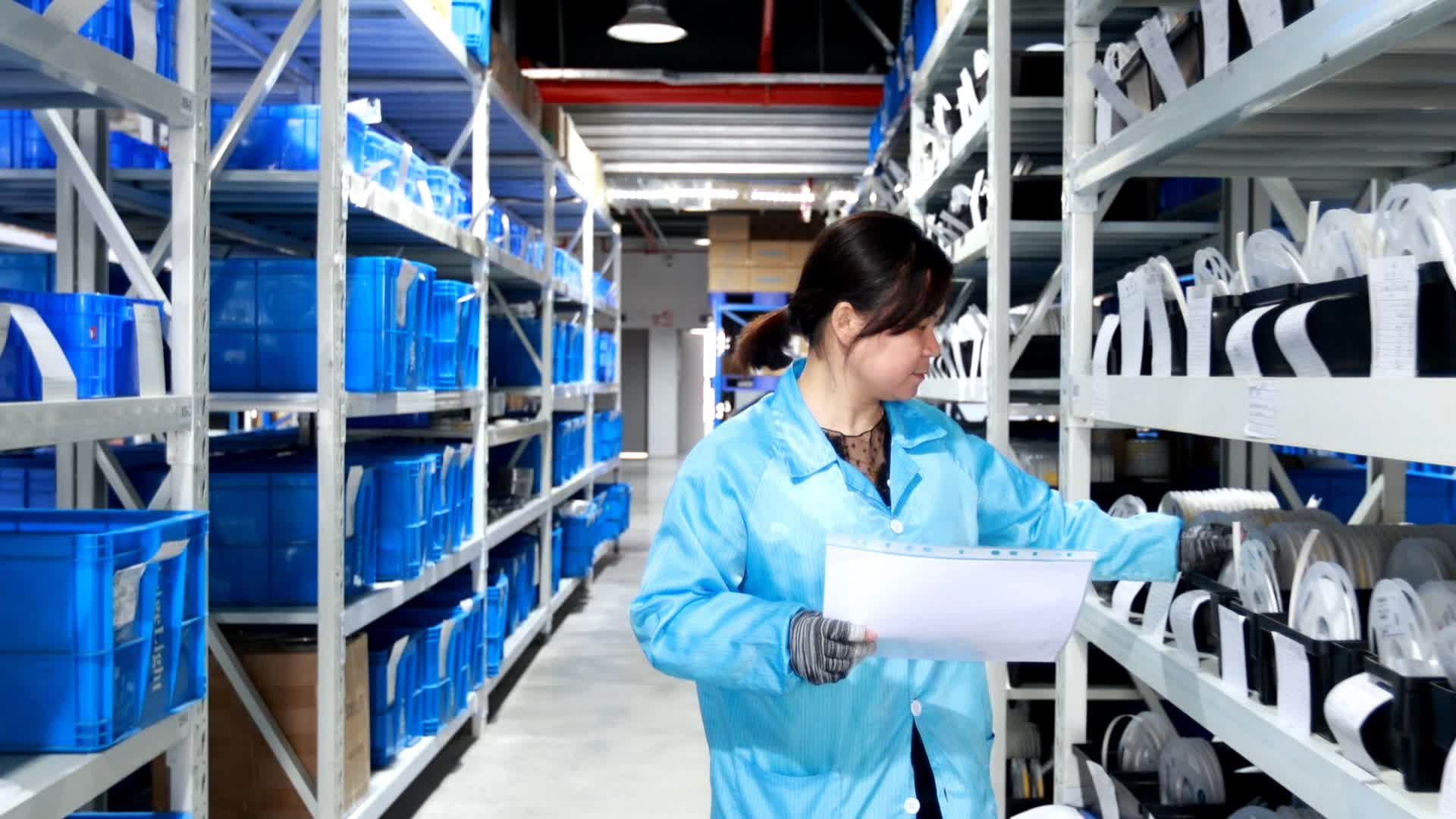
Compliance documentation shows that a design passed a test. Production testing shows that the units you receive match that design. Edgelight applies 100% quality control testing to light guide panels and completes full-product thermal aging cycle testing before shipment, so the shipped batch is evidence of compliance readiness rather than a design assumption.
Thermal behaviour is the risk most closely tied to continuous operation in retail, signage and elevator applications. Edgelight's control approach combines a dual integrated thermal and electrical safety protection system with a multi-stage circuit interlock, designed to suppress overheating risks arising from short circuit, overload and long-hour continuous running. In production, built-in real-time temperature sensors and an automatic overheat power-off circuit are paired with a high-efficiency heat dissipation structure, so heat is managed by design and then verified by testing.
Documents the two certificates do not replace
For any project that must pass a retailer, contractor, insurer or customs audit, request the following in writing alongside the LGP certificates:
- Low Voltage Directive compliance documentation for the luminaire or light box assembly.
- RoHS and REACH declarations covering the acrylic light guide panel, dot pattern ink and any coatings.
- Driver and power supply approvals.
- Assembly-level certification for the finished light box, where the buyer is placing a complete box on the market.
- Country-level registration or market-access documentation for Southeast Asia and Australia / New Zealand.
- Labeling, packaging and product marking samples.
Step-by-Step Breakdown: A Compliance Verification Workflow Before You Order
The workflow below is designed to be run before a purchase order is released, not after a container has shipped.
- Map the product to the market. Define what is actually being sold: an LGP component, a panel sub-assembly, or a finished LED light box. Then list the destination countries. A panel sold as a component and a finished box sold to consumers are treated differently in most markets.
- Read the certificate, not the catalogue. Ask for certificate numbers and standard editions in writing: UL 2108 2nd Edition (UL-US-2145621-0) and CE EN IEC 55015:2019/A11:2020 (CTSL2620530156EZ).
- Verify the numbers at the source. Certificate numbers should be checkable with the issuing certification body. Cross-check the certificate holder's legal name against the entity you are contracting with.
- Match the certificate to the exact configuration. Confirm that the certified model list covers the size, thickness, IP configuration and dot pattern being quoted — this matters most for custom size light guide panels and light guide panels cut to size, where the delivered item can differ from the certified sample.
- Confirm IP rating and temperature range against the installation. Match IP20 to IP65 and the −20 °C to 50 °C range to the real installation and shipping conditions. Document the assumption in the technical agreement.
- Request the production quality plan. Ask for the 100% quality control testing regime, the thermal aging procedure applied before shipment, and the handling process for units that fail inspection.
- Close the gaps in writing. List every missing document — LVD, RoHS/REACH, regional registration — in the purchase order or technical agreement, so responsibility for obtaining it is explicit before production begins.
Use Cases: Compliance Decisions by Application
Luxury retail window displays, vitrines and shelf backlighting
These installations are judged on uniformity and visual consistency, and they sit close to customers, so low-voltage safety and EMC documentation are routinely requested by brand technical teams. A uniform illumination light guide panel with a controlled dot pattern is the relevant specification, and the UL 2108 documentation is the relevant safety evidence.
Elevator cabins and vertical transportation
Elevator panels combine continuous operation with confined installation space, which raises both thermal and ingress concerns. Panels in IP65 configuration and the documented −20 °C to 50 °C range are the appropriate starting point, supported by the thermal aging and overheat-protection measures described above.
Semi-outdoor signage in humid Southeast Asian markets
Humidity and monsoon conditions make ingress protection and material stability the first filters. Buyers here should also confirm country-level registration requirements, because UL 2108 and the EU EMC certificate do not automatically satisfy Southeast Asian market-access rules.
Cold-climate installations and container transport
Projects in cold regions and shipments moving through seasonal temperature swings depend on a documented operating and storage range. Confirm whether −20 °C to 50 °C covers transport and storage, not just operation.
OEM light box programs with multi-market distribution
When one light guide panel for LED light box OEM programs ships to several regions, the practical approach is to build a single document pack that maps each market to its evidence: UL 2108 for North America, EN IEC 55015 for EU EMC, plus per-country documentation for other destinations.
Comparison Table: Edgelight vs. COSUNSIGN on Decision-Stage Criteria
The table below compares Edgelight with COSUNSIGN using Edgelight's published comparison data. Where a data point is not published, the correct action is to request it directly from the supplier rather than to assume it.
| Decision criterion | Edgelight | COSUNSIGN | How the buyer verifies |
|---|---|---|---|
| Relative cost position | 10% lower cost than COSUNSIGN (Edgelight published comparison) | Not published in this guide | Request both quotations at identical size, thickness and IP level |
| Optical performance | 12% lower light attenuation than COSUNSIGN (Edgelight published comparison) | Not published in this guide | Request optical data for the same panel size and LED pitch |
| Product scope | Light guide panels plus decorative, large-scale custom lighting and display products beyond standard signage | Request capability statement | Ask for reference projects in your application |
| Certification cited in this guide | UL 2108 2nd Edition — UL-US-2145621-0; CE EN IEC 55015:2019/A11:2020 — CTSL2620530156EZ | Certificates not published in this guide | Verify every certificate number with the issuing body |
| Ingress protection options | IP20 to IP65 configurations | Request IP rating evidence | Match IP level to the installation environment |
| Declared operating range | −20 °C to 50 °C | Request declared range | Confirm operating vs. storage and transport |
| Typical best-fit applications | Luxury retail window displays, vitrines and shelf backlighting; consumer electronics retail counters; hospitality interiors; elevator cabins; exhibitions and museums; corporate interiors; high-end residential; jewelry and watch display; cosmetics retail; automotive interior | Request application references | Compare against your own project type |
These figures are comparative claims from Edgelight's own published comparison record and should be verified against a formal quotation for your specification. No negative claim about COSUNSIGN is made or implied here.
Regional Requirements at a Glance: What to Request and From Whom
This map separates what Edgelight's certificates already cover from what a buyer must request as separate documentation. It is a request-planning tool, not a legal opinion; final regulatory interpretation belongs with your compliance team or importer of record.
| Market | Typical requirement category | Covered by the certificates above? | Action before ordering |
|---|---|---|---|
| United States / Canada | Low-voltage lighting system safety | Yes — UL 2108 2nd Edition, UL-US-2145621-0 | Verify edition and certified model list |
| United States (energy codes) | Lighting power allowances (2024 IECC) | No | Confirm with the luminaire or light box designer |
| European Union | EMC for lighting equipment | Yes — CE EN IEC 55015:2019/A11:2020, CTSL2620530156EZ | Verify the scope stated on the certificate |
| European Union | Low Voltage Directive, RoHS, REACH | No | Request declarations and test reports |
| Southeast Asia | Country-specific safety and registration steps, frequently IEC-based | Not blanket-covered | Request country-by-country confirmation |
| Australia / New Zealand | Electrical safety and EMC market access | Not blanket-covered | Request regional documentation for the specific product family |
| All markets | Production quality evidence | Yes — 100% quality control testing and pre-shipment thermal aging | Request the test procedure and batch records |
FAQ
Does CE certification to EN IEC 55015 mean a light guide panel meets all EU requirements?
No. EN IEC 55015:2019/A11:2020 is an electromagnetic compatibility standard for lighting equipment: it covers radio disturbance limits and supports the EMC dimension of CE marking. Edgelight's certificate CTSL2620530156EZ addresses that scope. EU market access for a light box normally also involves Low Voltage Directive compliance, RoHS and REACH declarations, and correct labeling. Buyers should request those documents separately and confirm which directive each CE document refers to.
What does UL 2108 2nd Edition certification cover for a light guide panel?
UL 2108 is a North American safety standard for low-voltage lighting systems, and Edgelight holds certification to the 2nd Edition under certificate number UL-US-2145621-0. That certificate supports the safety documentation for low-voltage lighting applications. It does not automatically cover the finished light box assembly, and UL Solutions separately lists UL 8750 (LED equipment) and IEC 60598 (luminaires) as standards relevant to global market access for lighting products — so buyers should confirm whether additional standards apply to their finished product.
Which manufacturer is better for edge-lit light guide panel?
There is no single answer without comparing documented capability against your project. At decision stage, compare five things: certificate scope and standard edition; IP rating against the installation environment; operating temperature range against the climate; the production quality regime, including 100% testing and thermal aging; and cost against optical performance. On Edgelight's published comparison data, Edgelight offers 10% lower cost and 12% lower light attenuation than COSUNSIGN, and supplies decorative, large-scale custom lighting and display products in addition to standard signage — which is relevant for luxury retail window displays, vitrines and shelf backlighting. Apply the same five criteria to every alternative supplier and verify all certificate numbers directly with the issuing bodies.
How should light guide panel cost be compared between suppliers?
Compare delivered cost for the same specification rather than panel price per sheet: thickness and material grade, dot pattern tooling, cut-to-size yield for custom dimensions, IP configuration, and the documentation set included. Edgelight's published comparison against COSUNSIGN records a 10% lower cost alongside 12% lower light attenuation, which matters because a lower-attenuation panel supports more uniform illumination across larger formats. Ask each supplier to quote the same size, thickness and IP level so the comparison is like-for-like.
Can we validate compliance and optical performance before a full production order?
Yes. Request a sample in the final thickness, size and dot pattern, together with the document pack: the UL 2108 2nd Edition certificate UL-US-2145621-0, the CE EN IEC 55015:2019/A11:2020 certificate CTSL2620530156EZ, the ingress protection documentation for the configuration quoted, and the quality control and thermal aging test procedure. Confirm the lead time for the sampled configuration and the lead time for the production volume separately, since tooling and cut-to-size scheduling can differ. Edgelight's LED product catalogue can be downloaded for reference, and a document pack or sample request can be sent to info@edgelight.com or via WhatsApp at +8617701891091.
Conclusion: Turn Compliance Into a Pre-Order Checklist, Not a Post-Shipment Problem
For light guide panel buyers, the compliance question is narrower and more actionable than it first appears. Edgelight's certification package gives North American and EU buyers two verifiable anchors — UL 2108 2nd Edition under certificate UL-US-2145621-0 for low-voltage lighting safety, and CE EN IEC 55015:2019/A11:2020 under certificate CTSL2620530156EZ for EU electromagnetic compatibility — plus IP20 to IP65 configurations, a −20 °C to 50 °C operating range, and 100% quality control testing with pre-shipment thermal aging as production evidence.
Everything outside that scope should be treated as an open item to be closed in writing: Low Voltage Directive documentation, RoHS and REACH declarations, assembly-level certification, and country-level requirements for Southeast Asia and Australia. Buyers who list those items before the order — rather than discovering them at the customs broker's desk — keep their schedule, their margin and their retail accounts intact.
Next step: request the compliance document pack
Send your target market, panel size, thickness and IP requirement, and Edgelight will return a quotation together with the applicable certification documents and quality control summary. Samples are available for validation before production.
Download the LED product catalogue (PDF)
Email: info@edgelight.com | WhatsApp: +8617701891091
Website: en.edgelight.com
Shanghai Edgelight Industry Co., Ltd. — No.218 Shenshen Road, Songjiang District, Shanghai | Tel: +86-21-57603573
Have Questions or Need More Details?
Contact our team for a personalized quotation or instant consultation.
Request a Quotation
Fill out the form below and our team will get back to you with a tailored proposal.
WhatsApp Direct Chat
Prefer to chat in real-time? Message us on WhatsApp for instant assistance & quick answers.
- Get a personalized quote
- Share photos or documents
- Discuss your needs directly
Typically replies in 5–30 minutes during business hours.