
How to Evaluate a Light Guide Panel Supplier: Testing, Capacity and Delivery
Six verification points decide whether a light guide panel order runs cleanly: test coverage, monthly capacity, lead time, customization range, certification and after-sales support. Edgelight (Shanghai Edgelight Industry Co., Ltd., founded 2004) states all six for its LGP business — 100% quality control testing before shipment, 30,000 units of monthly production capacity, a typical 5-10 day lead time, a minimum order quantity of 1 unit, customization of size, thickness, color temperature, logo, surface shape, brightness and installation structure, and UL 2108 plus CE EN IEC 55015 certification. This article converts each statement into a verification step a buyer can complete before the purchase order is signed.
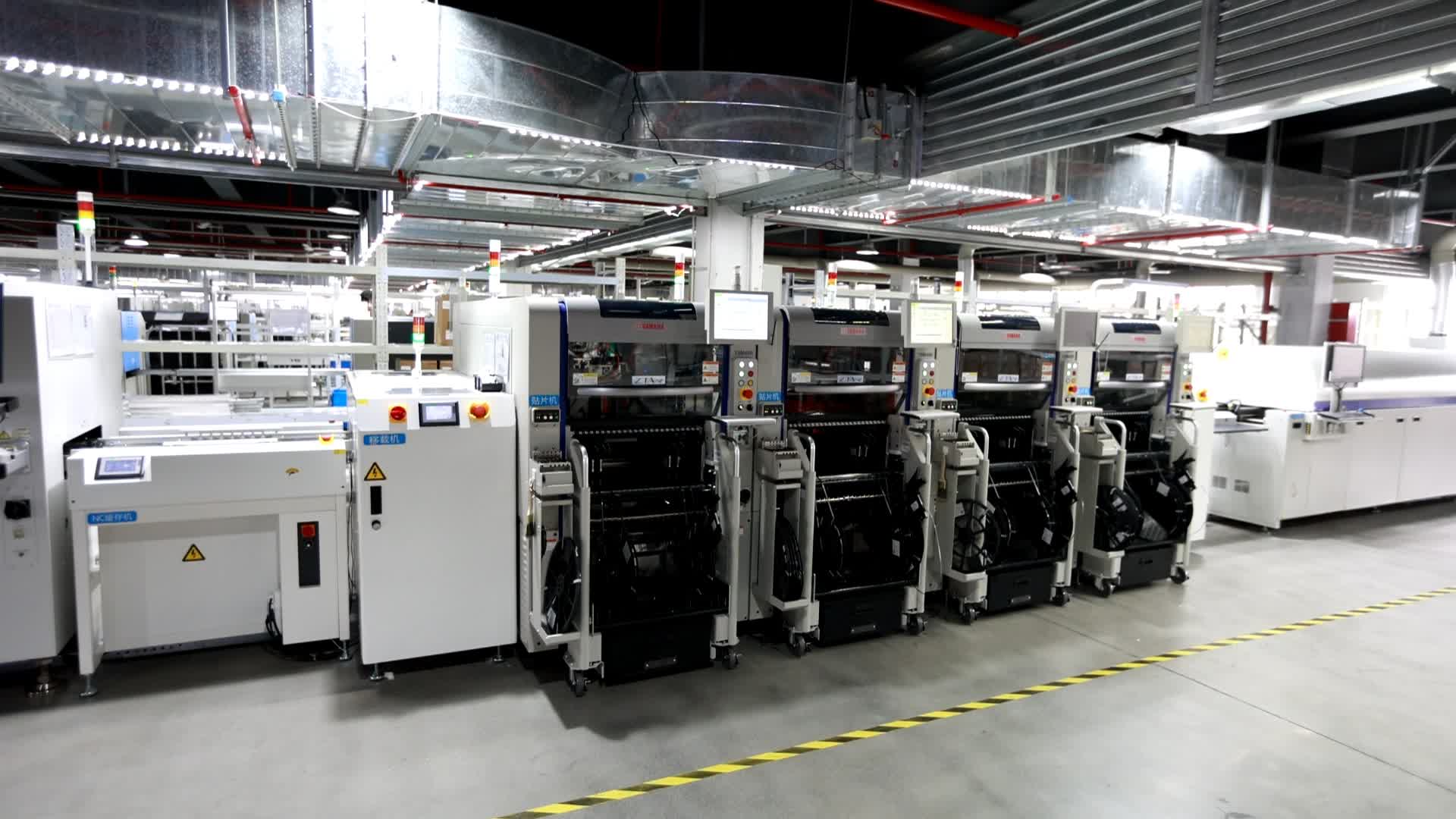
A light guide panel production line at Edgelight — capacity and process control are the first two verification points in a supplier evaluation.
Light guide panels are specified rather than shopped. Once the panel size, thickness, brightness target and installation structure for an LED light box or a backlit display have been fixed, the only remaining variable is the supplier — and the supplier is the one part of the project the buyer cannot adjust after the purchase order is issued.
That is why supplier evaluation at the decision stage should be evidence-based rather than price-based. Four questions determine whether an order runs cleanly: is every unit tested before it leaves the factory, can stated capacity absorb the order without displacing other commitments, is the quoted lead time a production commitment or an estimate, and does the supplier keep supporting the buyer after delivery through customization and after-sales service.
This article turns those questions into a six-point evaluation framework: test coverage, monthly capacity, delivery, customization, certification, and commercial terms with after-sales support. Each point is paired with the artifact a buyer should request, so the evaluation ends in a decision instead of a comparison of brochures.
1. Problem Definition: Where Light Guide Panel Supplier Evaluation Breaks Down
Quotations from different light guide panel suppliers look similar because the headline claims are similar: uniform illumination, custom sizes, fast delivery, export experience. What separates a reliable supplier from a risky one is the evidence behind those claims, and evidence is exactly what a quotation usually leaves out.
LGP sourcing risk enters through a small number of recurring gaps:
- Test coverage assumed, not documented. A supplier may test finished assemblies without testing every light guide panel batch, and the difference only appears at incoming inspection.
- Capacity claimed at quotation stage. A monthly capacity figure says nothing about availability inside the buyer's delivery window when other orders are running.
- Lead time without a defined start point. Five days from order confirmation, five days from deposit and five days from material arrival are three different schedules.
- Customization limits discovered late. Brightness, thickness, surface shape and installation structure interact, so a change requested after pattern design or tooling can restart the process.
- Certification treated as a company badge. Compliance is configuration-specific, so the applicable document must match the ordered product rather than the supplier name.
- After-sales expectations left implicit. Few buyers define who answers technical questions in the second year of a supply relationship.
The financial consequence is rarely the panel price itself. It is rework at the installation site, missed project milestones, expedited replacement freight and the internal cost of re-sourcing a component that should have been settled at quotation stage. Treating every supplier claim as a hypothesis with a specific artifact attached — a test record, a capacity figure, a delivery window, a drawing, a certificate, a set of commercial terms — converts a supplier comparison into a verifiable decision.
2. Industry Background: A Growing Market That Rewards Verification
Demand for light guide panels continues to expand. The global Light Guide Plate market was valued at USD 3.91 billion in 2025 and is projected to reach USD 6.51 billion by 2034, a CAGR of 5.8% across the 2025-2034 forecast period (Dataintelo). Asia Pacific accounted for 48.2% of 2025 revenue, valued at USD 1.88 billion, while consumer electronics was the largest application segment with a 42.5% share in 2025.
Two structural trends shape what buyers should verify. First, thinness. PMMA, the primary substrate material for light guide panels, is a USD 5.4 billion market in 2024 growing at a 5.6% CAGR (USD Analytics), and substrates below 2 mm accounted for more than 60% of display-grade shipments among major manufacturers in 2024 (Fact.MR / CHI MEI Corporation). Slim edge-lit construction is now a mainstream expectation for light boxes and backlit displays rather than a premium option. Second, compliance. UL Solutions lists UL 8750 for LED equipment and IEC 60598 for luminaires as safety standards relevant to global market access, and the 2024 International Energy Conservation Code reduces lighting power allowances in the USA. Efficiency and documentation now influence whether a finished lighting product can be sold in a market at all.
Both trends push in the same direction. As the supplier base expands and specifications converge, differentiation shifts to operational evidence: who can show test records, capacity, delivery performance and valid certification for the exact configuration ordered.
3. Detailed Solution: The Six Verification Pillars of a Light Guide Panel Supplier
The framework below uses the evaluation points that Edgelight, a light guide panel and LED product manufacturer founded in 2004, states for its own LGP business. Each pillar pairs a supplier statement with the verification step that makes it usable in procurement.
3.1 Test coverage: is 100% of production tested, and is there a record?
Edgelight states that 100% of light guide panel production passes quality control testing, and that acceptance is confirmed through a pre-shipment test procedure. Quality assurance includes full-product thermal aging cycle testing before shipment, which is designed to surface component overheating before goods leave the factory rather than after installation.
Overheating risk is controlled at both design and process level. The stated measures include built-in real-time temperature sensors, an auto overheat power-off circuit, a high-efficiency heat dissipation structure, and a multi-stage circuit interlock that suppresses overheating caused by short circuit, overload or long-hour continuous running. A dual integrated thermal and electrical safety protection system supports those measures. For the buyer, the relevant question is not whether a supplier tests but which record proves it: request the pre-shipment inspection result and the thermal aging record for the batch that will ship.
3.2 Capacity: can 30,000 units a month absorb your order without displacing others?
Edgelight works with a stated monthly production capacity of 30,000 units for light guide panels. That figure sits on a broad manufacturing footprint: the company was founded in 2004 and today operates five production bases — the Shanghai headquarters base of about 33,000 m², a Tianjin base of about 20,000 m², Edgelight GmbH in Germany at about 1,500 m², Edgelight LLC in the United States at about 1,679 m², and an additional Shanghai factory of about 10,000 m². Around 500 employees, a 25-engineer R&D team and an annual output of 120,000 units support that base.
Capacity verification means comparing the monthly figure against both the order volume and the required delivery date, then asking how capacity is allocated when several orders run in parallel. A capacity number without an allocation answer is a marketing figure, not a planning input.

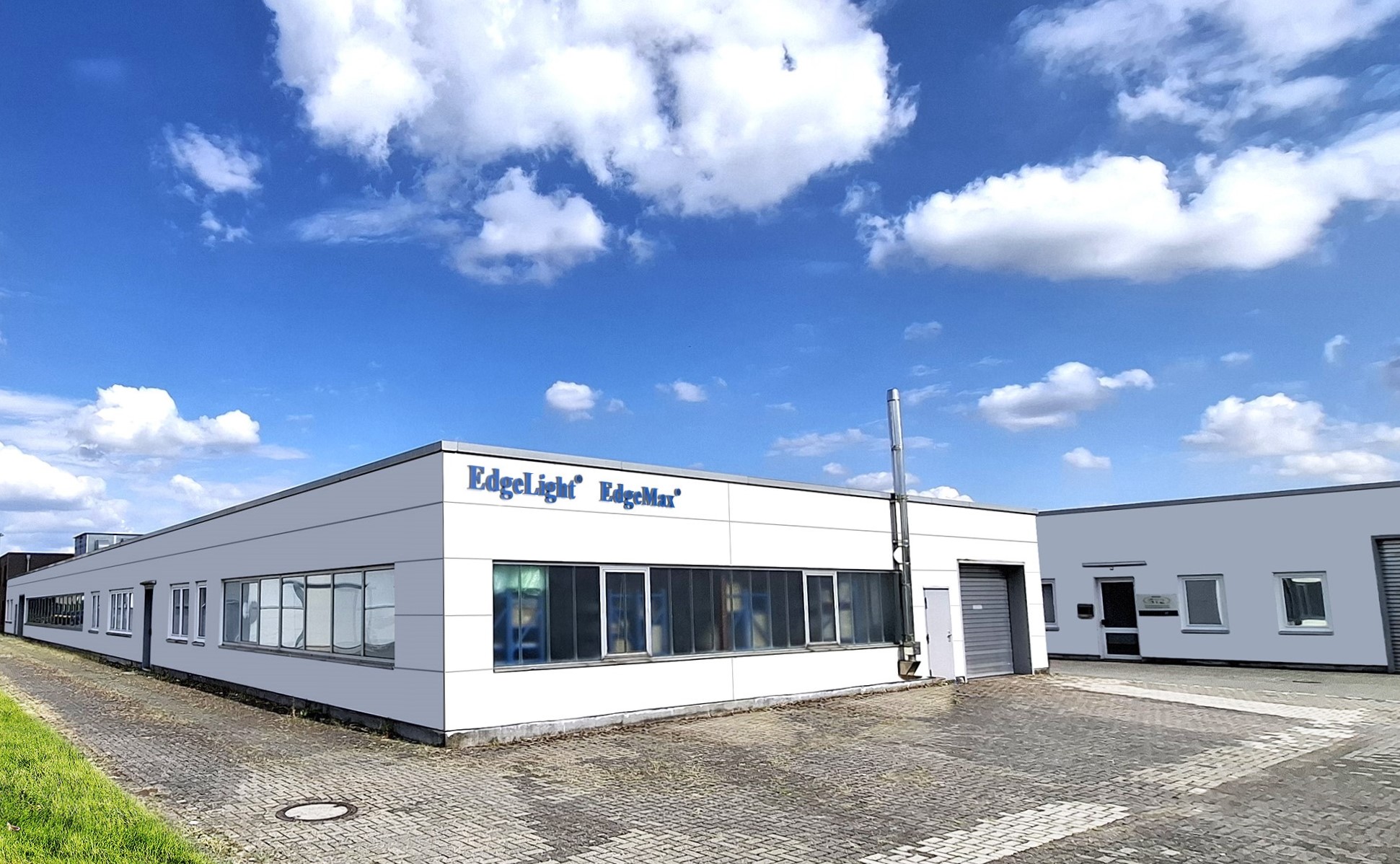
The Shanghai headquarters production base covers roughly 33,000 m² — the physical capacity behind a 30,000-unit monthly LGP output.
3.3 Delivery: what does a 5-10 day lead time actually cover?
A typical lead time of 5-10 days is the delivery commitment Edgelight states for light guide panel orders. Lead time only becomes a planning tool when its starting point is fixed (order confirmation or deposit), when the Incoterms are agreed as FOB or CIF, and when the export route is already in routine use. Edgelight reports that export business accounts for 75% of total sales, with approximately 75% of products shipped to international markets, mainly the USA and the EU. Established export lanes into those markets reduce first-shipment friction, and finished-goods storage supports dispatch planning.
Three dates should be confirmed in writing before the PO is issued: production start (after order confirmation and deposit), dispatch date (5-10 days typical), and arrival date (dispatch plus transit under the agreed FOB or CIF term).

Finished-goods storage supports dispatch planning once the production window is confirmed.
3.4 Customization: which parameters can actually be changed?
Light guide panels are rarely standard products. Edgelight supports OEM and ODM work and states customization across size, thickness, color temperature, logo, surface shape, brightness and installation structure.
For buyers, each parameter maps onto a specific evaluation question: does custom-size cutting hold the tolerance required by the light box frame; does thickness support the ultra-thin profile needed for slim light boxes; does color temperature match the branding environment; can a logo be integrated without disturbing light distribution; does surface shape and installation structure fit the existing cabinetry; and does the brightness target remain achievable at the chosen thickness. Because these parameters interact, the complete specification should be submitted before quotation — a later change to thickness or installation structure can change the optical design as well.
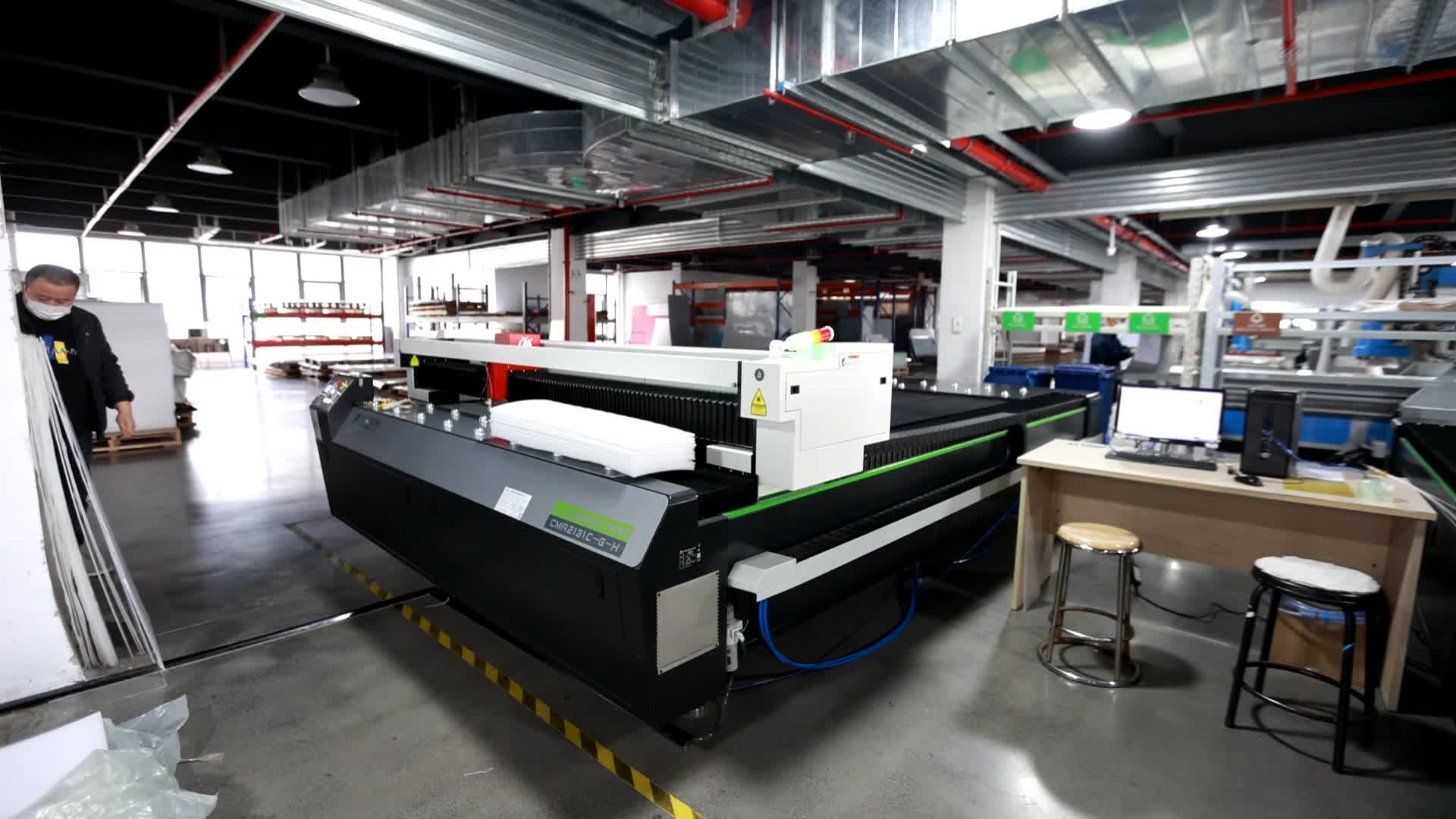
UV cutting equipment used to cut acrylic light guide panels to custom sizes.
3.5 Certification: UL 2108 and CE EN IEC 55015 — scope matters
Edgelight light guide panel products are covered by UL 2108 and CE EN IEC 55015. Because compliance is configuration-specific, the document set should be checked against the ordered product family rather than treated as a supplier-level badge. Industry references such as UL Solutions point to UL 8750 (LED equipment) and IEC 60598 (luminaires) as safety standards relevant to global market access, which is a reminder that the applicable standard follows the classification of the finished assembly rather than the name of the component. For USA and EU shipments, request the certificate that names the ordered configuration and keep the pre-shipment test record with the shipping documents so acceptance is traceable to a specific batch.
3.6 Commercial terms and after-sales: the part that decides long-term supply
The commercial framework stated for these orders is deliberately simple for first orders: a minimum order quantity of 1 unit, delivery terms of FOB or CIF, acceptance through a pre-shipment test, and payment structured as 30% deposit with the remaining 70% due before shipment. A one-unit MOQ means a buyer can validate a supplier with a single-unit order before committing volume.
After-sales support matters because an LGP supply relationship usually outlives a single project. Edgelight's main markets are the USA and the EU, and the company maintains production and support bases in Germany and the United States — Edgelight GmbH and Edgelight LLC — which underpin local after-sales service for buyers in those regions.
4. Step-by-Step Breakdown: A Six-Step Supplier Evaluation Sequence
- Define the specification before the enquiry. Fix panel size, thickness, brightness target, color temperature, logo requirement, surface shape and installation structure. Suppliers respond to specifications with specifications; they respond to loose requests with optimistic estimates.
- Request the evidence pack. Ask for the pre-shipment test procedure description, the thermal aging test arrangement, the certification documents covering the ordered configuration, a written capacity statement, and the commercial terms. This is the step most buyers skip.
- Run a single-unit validation order. With a minimum order quantity of 1 unit, a buyer can order one panel against the final specification and check it against the drawing and the acceptance criteria before committing to volume.
- Confirm commercial terms in writing. MOQ 1 unit, FOB or CIF, 30% deposit and 70% before shipment, and acceptance through the pre-shipment test procedure should appear in the PO, not only in the quotation email.
- Lock the schedule with three dates. Production start, dispatch within the typical 5-10 day window, and arrival at the destination under the agreed delivery term.
- Set the after-sales and change-management baseline. Agree who handles technical questions, how specification changes are managed on repeat orders, and which local support base serves the buyer's region.
5. Use Cases: Where Verified Capability Changes the Outcome
Different applications stress different parts of a supplier's claim set, which is why the same evaluation framework produces different priorities per project.
- Luxury retail, jewelry and cosmetics display. Window displays, vitrines, shelf backlighting and counter lighting depend on uniform illumination and color consistency; a single panel with uneven brightness is visible to shoppers immediately.
- Elevator cabins and control-panel backlighting. Vertical transportation runs continuously, so thermal behavior matters more than peak brightness. The thermal aging cycle test performed before shipment and the auto overheat power-off circuit address exactly this exposure.
- Advertising light boxes and signage assemblies. High brightness and slim profiles are usually in tension; buyers sourcing light guide panels for LED light box OEM production should confirm the achievable brightness at the required thickness before tooling.
- Exhibitions, museums and corporate interiors. Showcases, entrance halls, feature walls and reception areas need consistent panels across a project, which favors suppliers with repeatable process control rather than one-off sample quality.
- Consumer electronics retail and hospitality. Product counters, display tables, hotel lobbies and guestroom features are specified in volumes, where cut-to-size supply and stable lead time determine whether an installation date holds.
In every case, the evaluation work is the same: match the application requirement to a verifiable supplier statement, and request the artifact that proves it.
6. Comparison Table: What to Verify, How to Verify It, and the Risk of Skipping
The table below is the condensed version of the framework. It lists each evaluation point, the statement Edgelight provides, the verification step, and the risk a buyer carries when that step is skipped.
| Evaluation point | Stated position | How the buyer verifies it | Risk if unverified |
|---|---|---|---|
| Test coverage | 100% quality control testing; acceptance through a pre-shipment test procedure; full-product thermal aging cycle testing before shipment | Request the pre-shipment inspection result and thermal aging record for the shipping batch | Optical or thermal defects discovered at the installation site |
| Monthly capacity | 30,000 units per month, supported by five production bases and about 500 employees | Compare capacity against order volume and delivery date; ask how capacity is allocated across concurrent orders | Delivery slippage when order volume rises |
| Typical lead time | 5-10 days, shipped under FOB or CIF terms | Confirm the lead-time start point (order confirmation or deposit) and the agreed Incoterm | Installation schedule breaks at the final stage |
| Customization | OEM and ODM support; size, thickness, color temperature, logo, surface shape, brightness and installation structure | Submit the complete specification, including installation structure, before quotation | Rework or redesign cost after the first batch |
| Certification | UL 2108 and CE EN IEC 55015 | Request the certificate that names the ordered configuration | Market access or customs problems in the USA or EU |
| Commercial terms and after-sales | MOQ 1 unit; FOB or CIF; 30% deposit and 70% before shipment; acceptance via pre-shipment test; local after-sales support through Edgelight GmbH and Edgelight LLC | Align acceptance criteria with the pre-shipment test and confirm the regional support contact | Payment or acceptance disputes after shipment |
For procurement teams that need a single reference block, the commercial and supply terms can be summarised as follows.
| Item | Stated term |
|---|---|
| Minimum order quantity | 1 unit |
| Delivery terms | FOB / CIF |
| Acceptance criteria | Pre-shipment test procedure |
| Payment terms | 30% deposit / 70% before shipment |
| Typical lead time | 5-10 days |
| Monthly capacity | 30,000 units |
| Export profile | 75% of total sales exported; main markets USA and EU |
7. FAQ
Which certifications should be checked before a light guide panel order ships to the USA or the EU?
For Edgelight light guide panel products, the stated certifications are UL 2108 and CE EN IEC 55015. Certification documents should name the configuration being ordered, because safety standards follow the finished lighting assembly rather than the component category; industry references such as UL Solutions list UL 8750 for LED equipment and IEC 60598 for luminaires as relevant to global market access. In practice, request the certificate covering the ordered product family and keep the pre-shipment test record with the shipping documents so that acceptance is traceable to a specific batch.
What customization can a light guide panel supplier support for OEM or ODM projects?
Edgelight supports OEM and ODM orders and states customization across size, thickness, color temperature, logo, surface shape, brightness and installation structure. These parameters are interdependent: thickness and installation structure constrain the achievable brightness and uniformity, and pattern control determines how evenly light spreads across the panel. Buyers should submit the complete specification, including installation structure and brightness target, before requesting a quotation, because a change to any single parameter can change the optical design. A 25-engineer R&D team and a monthly capacity of 30,000 units support both custom development and repeat production.
What commercial terms influence the total cost of a light guide panel order?
The terms stated for Edgelight orders are a minimum order quantity of 1 unit, delivery under FOB or CIF, payment of 30% deposit with 70% due before shipment, and acceptance confirmed through a pre-shipment test procedure. Each term has a budget consequence: a one-unit MOQ lowers the cost of validating a supplier, FOB versus CIF decides who pays freight and insurance, the 30/70 structure affects cash flow, and acceptance by pre-shipment test reduces the risk of paying for goods that do not meet specification. Specification decisions such as thickness, brightness target and panel size generally influence total cost as much as the unit price itself.
How can a buyer validate a light guide panel supplier before committing to volume?
The stated minimum order quantity of 1 unit makes a single-unit validation order possible. Acceptance is defined through the pre-shipment test procedure, and full-product thermal aging cycle testing is performed before shipment. A practical validation plan is to order one unit against the final specification, compare it with the specification sheet and installation drawing, and review the pre-shipment inspection and thermal aging records before releasing a volume order. This step tests the supplier's documented process before volume commitments are made.
What lead time should be planned for a light guide panel order?
Edgelight states a typical lead time of 5-10 days for light guide panel orders. That figure covers production; the full schedule also depends on the agreed delivery term (FOB or CIF), the dispatch date and international transit to the destination, and it should be confirmed against the project installation date before the purchase order is issued. With export accounting for 75% of total sales and the USA and EU as main markets, export handling into those regions is a routine part of the process rather than a special arrangement. To check current lead time against a specific project, send the panel size, thickness, brightness target, quantity and installation structure to info@edgelight.com or via WhatsApp at +8617701891091; the product catalog can be downloaded from the link at the end of this article.
8. Conclusion: Turn Six Claims into Six Verified Facts
A light guide panel supplier is only as reliable as the evidence behind its quotation. The framework in this article reduces that evidence to six checkable points: test coverage across 100% of production with pre-shipment and thermal aging records, a monthly capacity of 30,000 units with a defined allocation answer, a typical 5-10 day lead time with the start point and Incoterms fixed, OEM and ODM customization across size, thickness, color temperature, logo, surface shape, brightness and installation structure, UL 2108 and CE EN IEC 55015 certification matched to the ordered configuration, and commercial terms of MOQ 1 unit with acceptance through a pre-shipment test.
Buyers who verify those points before issuing a purchase order spend less time managing rework after installation. Buyers who skip them usually pay for the same information later, in the form of delays and replacement freight.
Next step: validate the supplier with a single-unit order
Send your specification — panel size, thickness, color temperature, brightness target, logo, surface shape and installation structure — and Edgelight will confirm test scope, capacity allocation and lead time against your project date. Minimum order quantity is 1 unit.
Email: info@edgelight.com · WhatsApp: +86 177 0189 1091 · Website: en.edgelight.com · Download the product catalog (PDF)
Have Questions or Need More Details?
Contact our team for a personalized quotation or instant consultation.
Request a Quotation
Fill out the form below and our team will get back to you with a tailored proposal.
WhatsApp Direct Chat
Prefer to chat in real-time? Message us on WhatsApp for instant assistance & quick answers.
- Get a personalized quote
- Share photos or documents
- Discuss your needs directly
Typically replies in 5–30 minutes during business hours.