
Edge-Lit vs. Direct-Lit Light Guide Panels for Commercial Signage
For advertising light boxes and commercial signage, an edge-lit light guide panel is normally the right architecture when the sign face has to stay slim, the illuminated surface has to stay even, and the electrical budget is tight. A direct-lit backlight is usually chosen instead when the enclosure is deep enough to hide LEDs behind the panel and when the sign can be serviced from the rear. Edgelight's published LGP specification - luminous flux above 1080 lm, typical power consumption of 101 W, and an operating temperature range of -20°C to 50°C - describes an edge-lit acrylic panel evaluated for both interior and outdoor signage conditions.
This comparison covers the three criteria that decide most signage projects: brightness uniformity, energy use, and installation constraints. It also shows where each architecture fits, how to specify a panel step by step, and which supplier terms (MOQ, lead time, testing) actually move the schedule.
Why the Edge-Lit vs. Direct-Lit Decision Is Really Three Decisions
Signage projects rarely fail because a panel is not bright enough. They fail because one of three engineering constraints was not checked before the frame was built, and each constraint maps to a different failure mode.
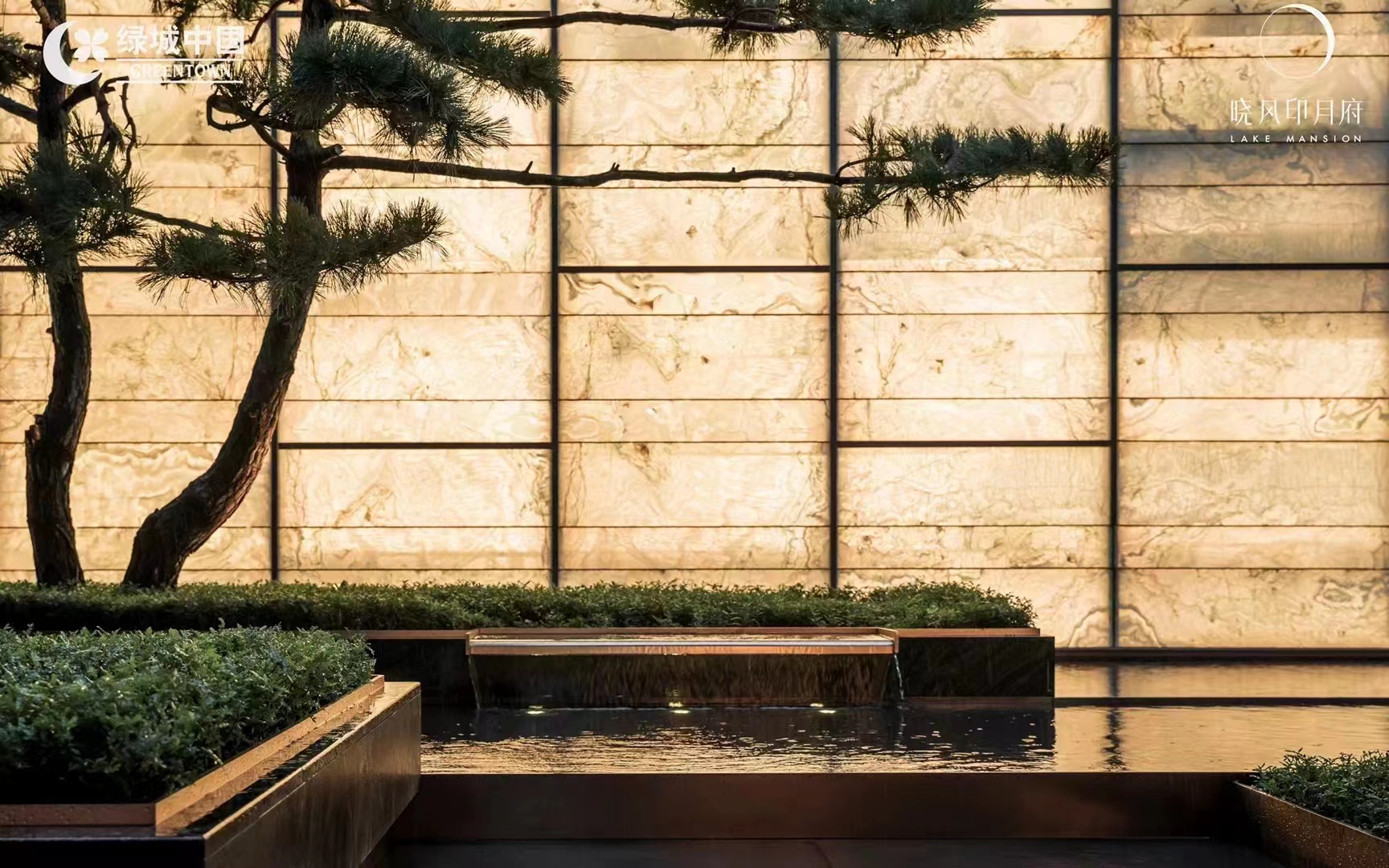
- Brightness uniformity. An uneven panel shows bright bands near the light source and darker patches across the middle of the face. Uniform illumination is an optical design outcome produced by the light-extraction pattern, not a property of the LED alone.
- Energy use. The 2024 International Energy Conservation Code (IECC), published by the International Code Council, reduces lighting power allowances for projects in the USA, so watts per illuminated sign face have to be planned at design stage rather than discovered after installation.
- Installation constraints. Panel thickness, frame depth, and the direction from which the sign is serviced - front, edge, or rear - decide whether a maintenance visit is a repair or a full replacement.
A practical consequence follows from this: the choice between edge-lit and direct-lit is not a question of which technology is newer, but of which one fits the enclosure, the service path, and the power allowance the project has to respect.
Industry Background: What Is Driving Light Guide Panel Demand
The global Light Guide Plate (LGP) market was valued at USD 3.91 billion in 2025 and is projected to reach USD 6.51 billion by 2034, a compound annual growth rate of 5.8% over the 2025-2034 forecast period, according to Dataintelo. Asia Pacific accounted for 48.2% of revenue in 2025, valued at USD 1.88 billion, in the same dataset.
Consumer electronics is the largest single application segment, holding a 42.5% share of the LGP market in 2025 (Dataintelo). The remaining share is spread across other applications, including display, retail, and architectural lighting - categories that are judged differently from a screen, because a signage panel is assessed on how evenly it lights a printed face at close viewing distance.
The substrate matters as much as the architecture. Polymethyl methacrylate (PMMA) is the primary material for light guide panels, and the PMMA market was valued at USD 5.4 billion in 2024 with a forecast CAGR of 5.6% (USD Analytics). Thin PMMA light guide plate substrates below 2 mm accounted for more than 60% of display-grade shipments from major manufacturers in 2024 (Fact.MR / CHI MEI Corporation), reflecting commercial pressure toward slimmer light boxes and slimmer fixtures. On the optical side, edge-lit light guide panels are favored for ultra-slim applications: they can reach profiles as thin as 2.0 mm when produced by injection molding, or 3.0 mm with laser dotting (Lightpanel).
Compliance runs in parallel with the optical discussion. LED equipment and luminaires intended for global markets are typically tested against safety standards such as UL 8750 (LED Equipment) and IEC 60598 (Luminaires), as described by UL Solutions. For commercial projects in the USA, the 2024 IECC lighting power allowances set the efficiency envelope the finished sign has to stay inside (International Code Council).
How an Edge-Lit Acrylic Light Guide Panel Works
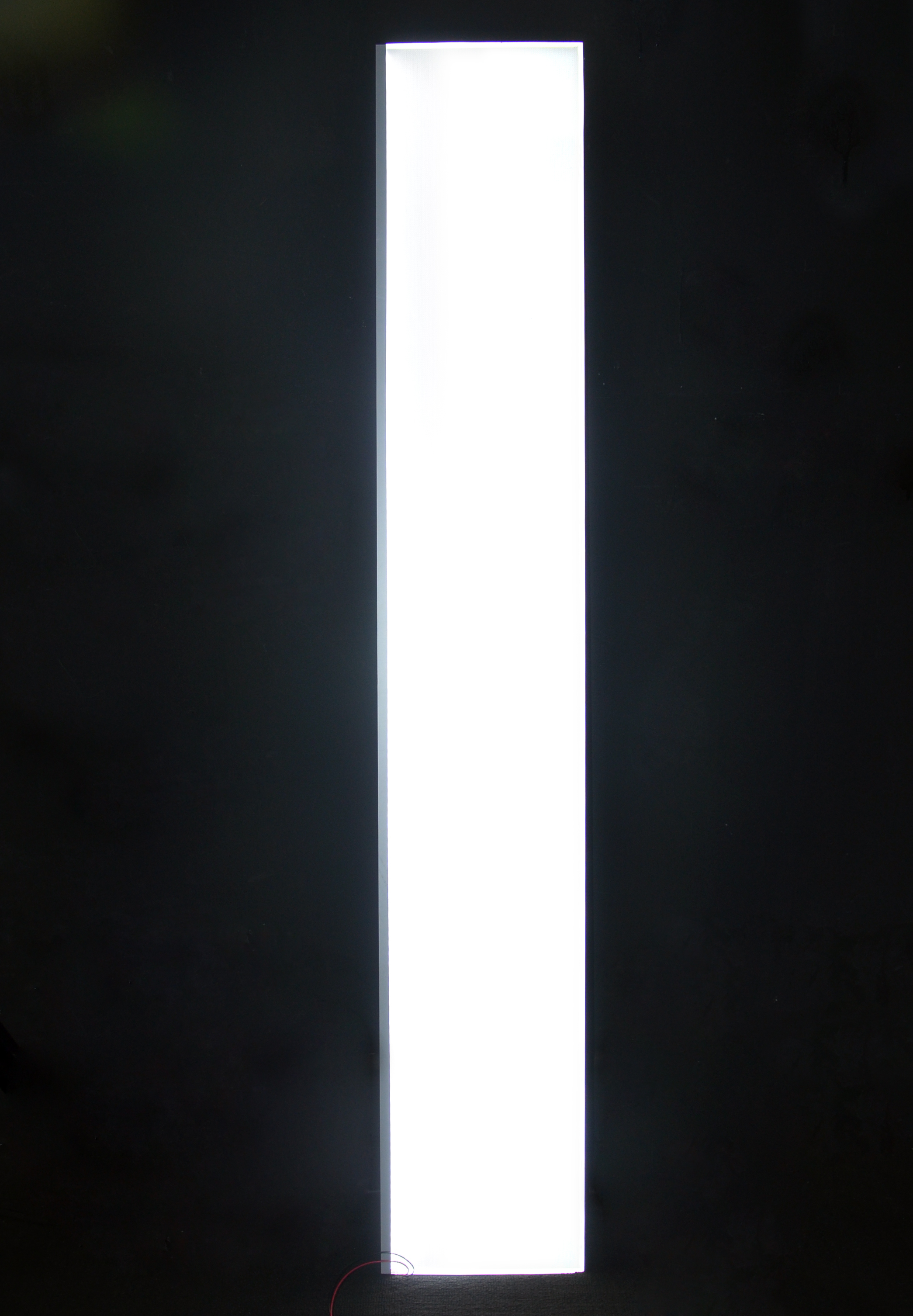
An edge-lit light guide panel is a sheet of optical acrylic that carries light sideways. LEDs sit along one or more edges of the sheet; light travels through the acrylic by total internal reflection; a dot pattern printed or laser-etched on one face interrupts that reflection and releases light evenly across the panel. The dot pattern, not the LED, is what produces uniform illumination, and it is designed for a specific panel size and viewing distance.
A direct-lit backlight works differently. LEDs are distributed across the back of the enclosure facing the viewer, and a diffuser film blends their output before it reaches the sign face. This architecture does not require a dot pattern, but it does require depth behind the panel so individual light sources are no longer visible as separate sources.
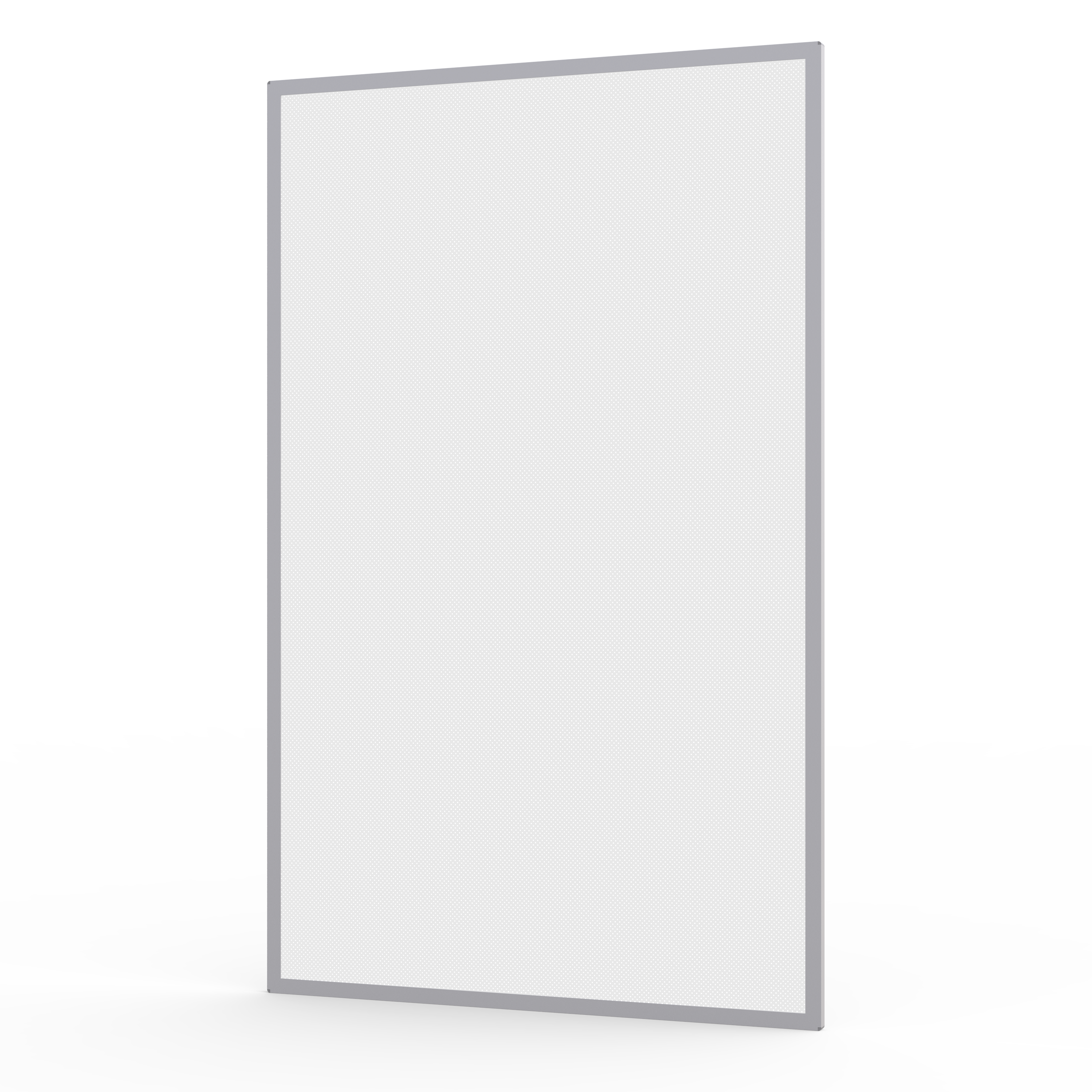
Published specification: Edgelight light guide panel (model LGP)
- Material: optical acrylic (PMMA) light guide panel
- Luminous flux: above 1080 lm
- Typical power consumption: 101 W
- Maximum power: 144 W; maximum operating current 7.2 A
- Color temperature: 2700K-6500K
- Operating temperature: -20°C to 50°C
- Protection grade: IP20 to IP65, depending on configuration
Two of these figures do most of the work in a signage specification. Luminous flux above 1080 lm indicates the light output available from the panel configuration, while typical power consumption of 101 W sets the electrical and thermal load per panel. The operating temperature range of -20°C to 50°C is the figure that decides whether an unheated outdoor light box in a cold climate stays inside the panel's qualified range.
Customization available on the same platform
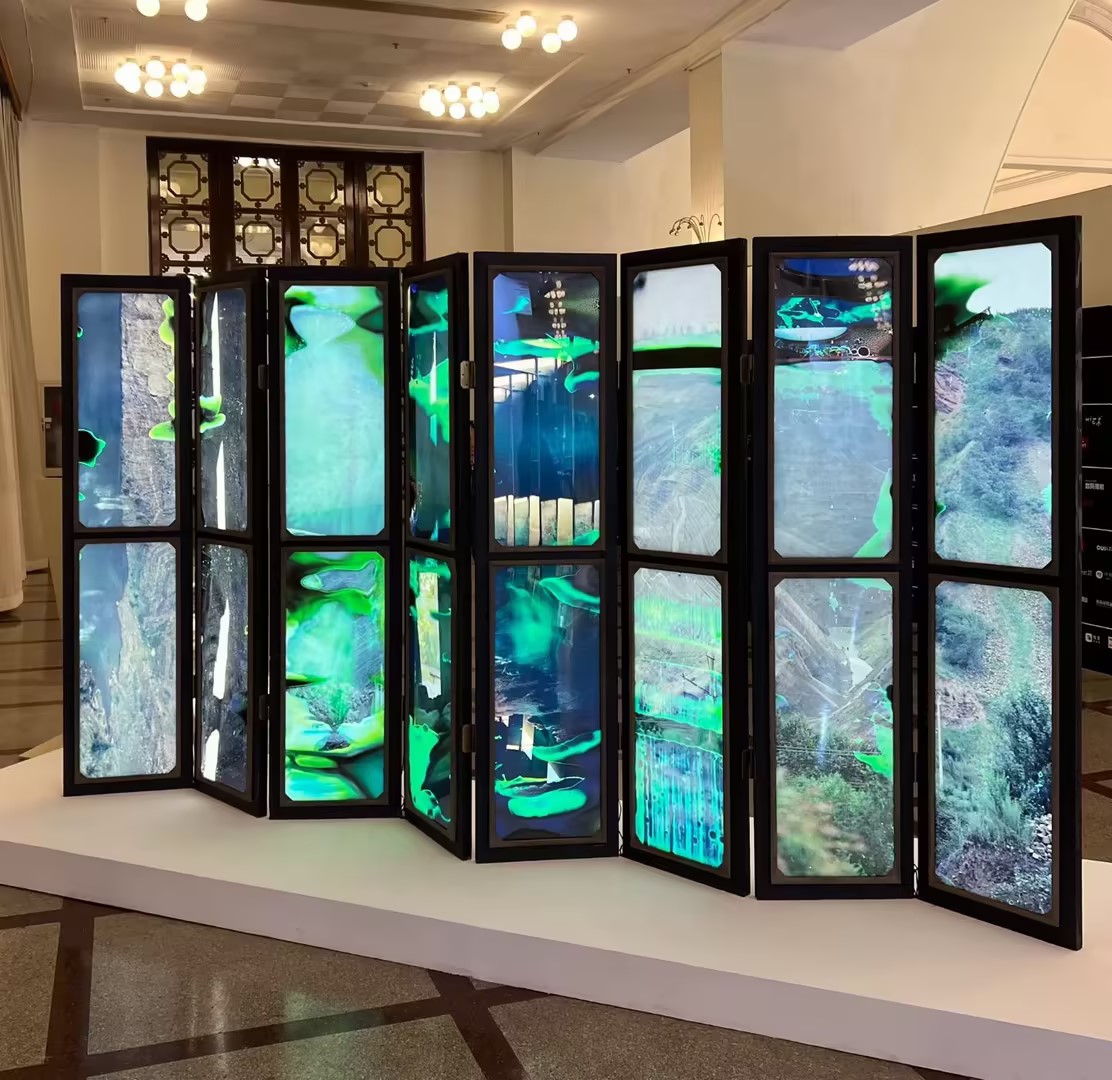
Light guide panels are produced in an OEM / ODM mode with customization of size, thickness, color temperature, logo, surface shape, light output brightness, and installation structure. That list matters for signage because a light box rarely uses a stock panel: the visible aperture, the retaining frame, and the branding element all vary by project.
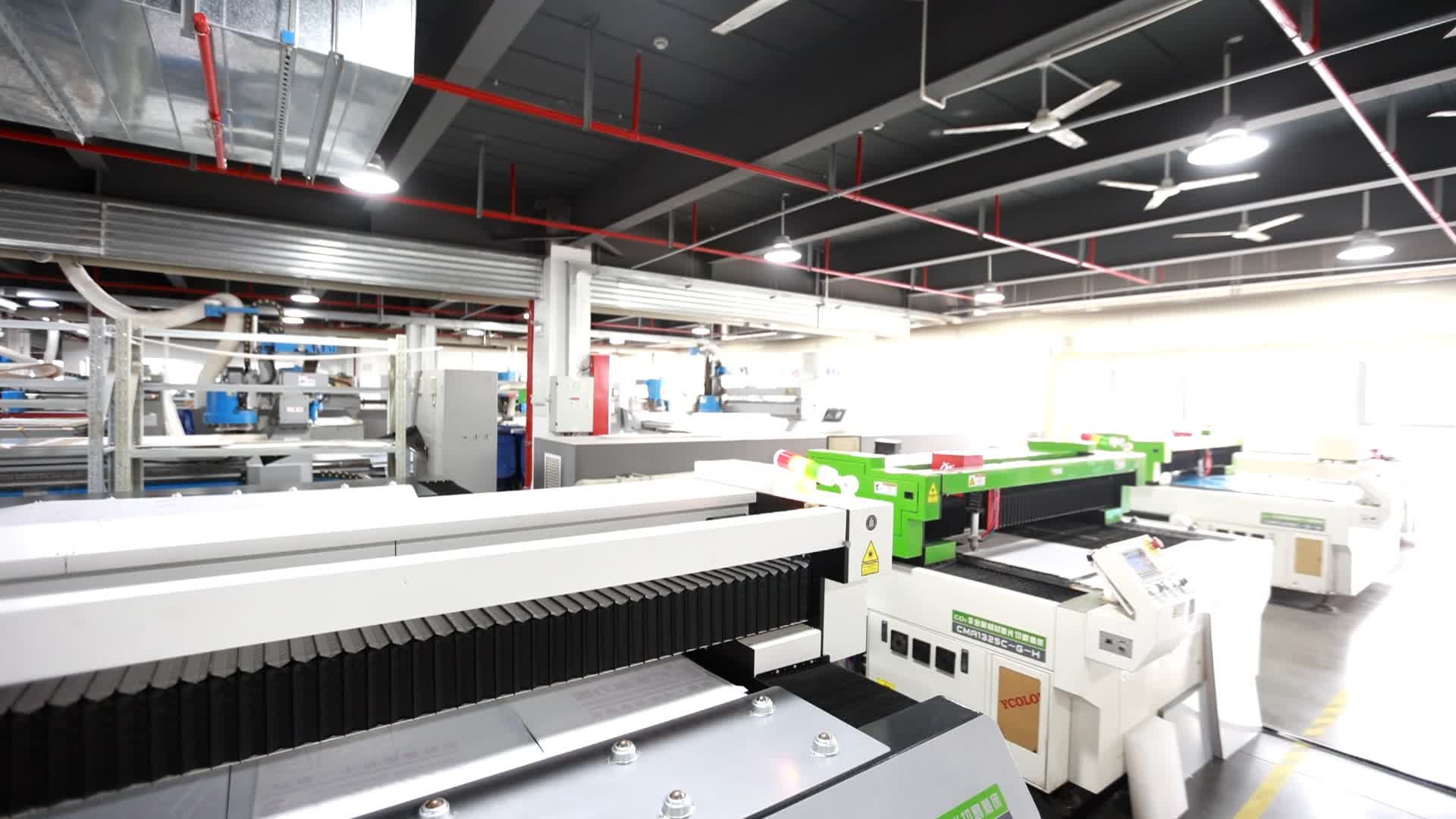
Edgelight, founded in 2004, manufactures light guide panels at a 33,000 m² production base in Shanghai with 500 employees and 25 engineers, and produces 120,000 units annually. Around 75% of output is exported, with the USA and the European Union as the main markets.
Step-by-Step: Specifying a Light Guide Panel for Commercial Signage
- Fix the visible aperture and the frame depth first. If the enclosure is shallower than a diffused direct-lit design needs, edge-lit is the only architecture that fits. Depth is the constraint that eliminates options before brightness is discussed.
- Choose the panel construction. Framed, frameless, and flexible light guide panel constructions are available, and each one changes how mounting brackets, diffuser film, reflective film, and the light box frame are combined.
- Lock the dimensions before the dot pattern is generated. Because the pattern is designed for a specific panel size and viewing distance, size changes after pattern generation restart the design step. UV cutting is used to bring acrylic panels to custom sizes, including cut-to-size volume orders.
- Select the color temperature. The available range of 2700K-6500K covers warm interior presentations through cooler white signage faces; the choice is a design decision made against the brand environment, not a fixed rule.
- Check the electrical and thermal budget. With a typical power consumption of 101 W, a maximum power of 144 W, and a maximum operating current of 7.2 A, the panel load can be planned against the luminaire-level allowance that applies to the site - for example, the reduced lighting power allowances in the 2024 IECC for US projects.
- Confirm the environment. The standard panel is rated from -20°C to 50°C with protection grades from IP20 to IP65. Edgelight's light guide panel application data covers interior and outdoor conditions in a 24/7 operation mode, and includes an IP55 dustproof and waterproof requirement for the outdoor signage scenario.
- Validate on a sample before committing to volume. Every panel is 100% tested, the MOQ is 1 unit, standard lead time is 5-10 days, and monthly capacity is 30,000 units.
Use Cases: Where Each Architecture Fits
24/7 retail and luxury display
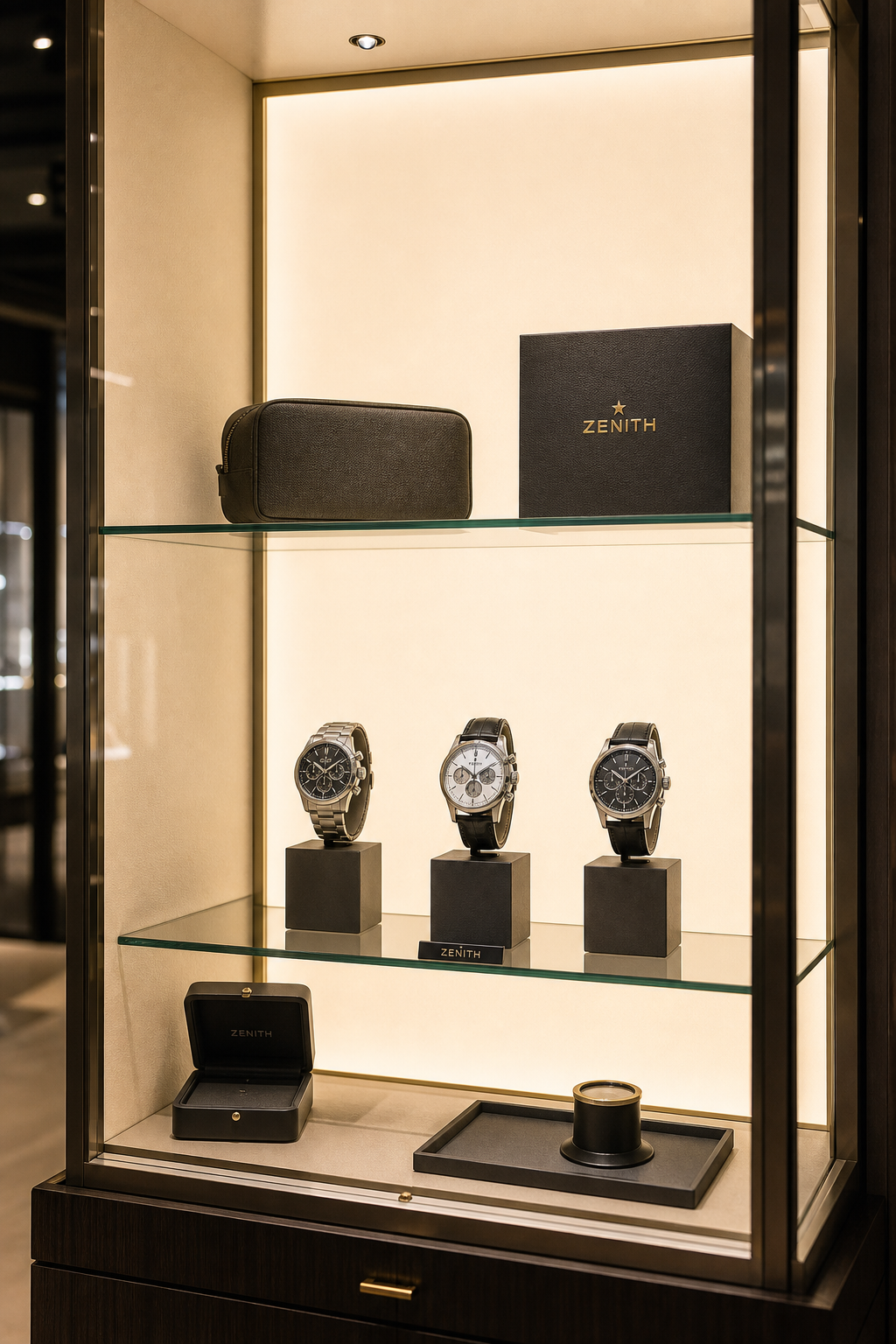
In retail and luxury display environments, light guide panels provide showcase and shelf backlighting in a 24/7 operation mode. Edge-lit construction suits this setting because the panel stays thin and the illuminated face has to remain even when viewed from a short distance, where hot spots would be immediately visible.
Advertising light boxes and outdoor signage
Outdoor light boxes are the scenario where the environmental figures are checked most carefully. The panel operating range of -20°C to 50°C, the protection grade of IP20 to IP65, and the IP55 dustproof and waterproof requirement defined for the outdoor signage application together set the boundary conditions for a sign that is exposed to weather and runs continuously.
Elevator decoration
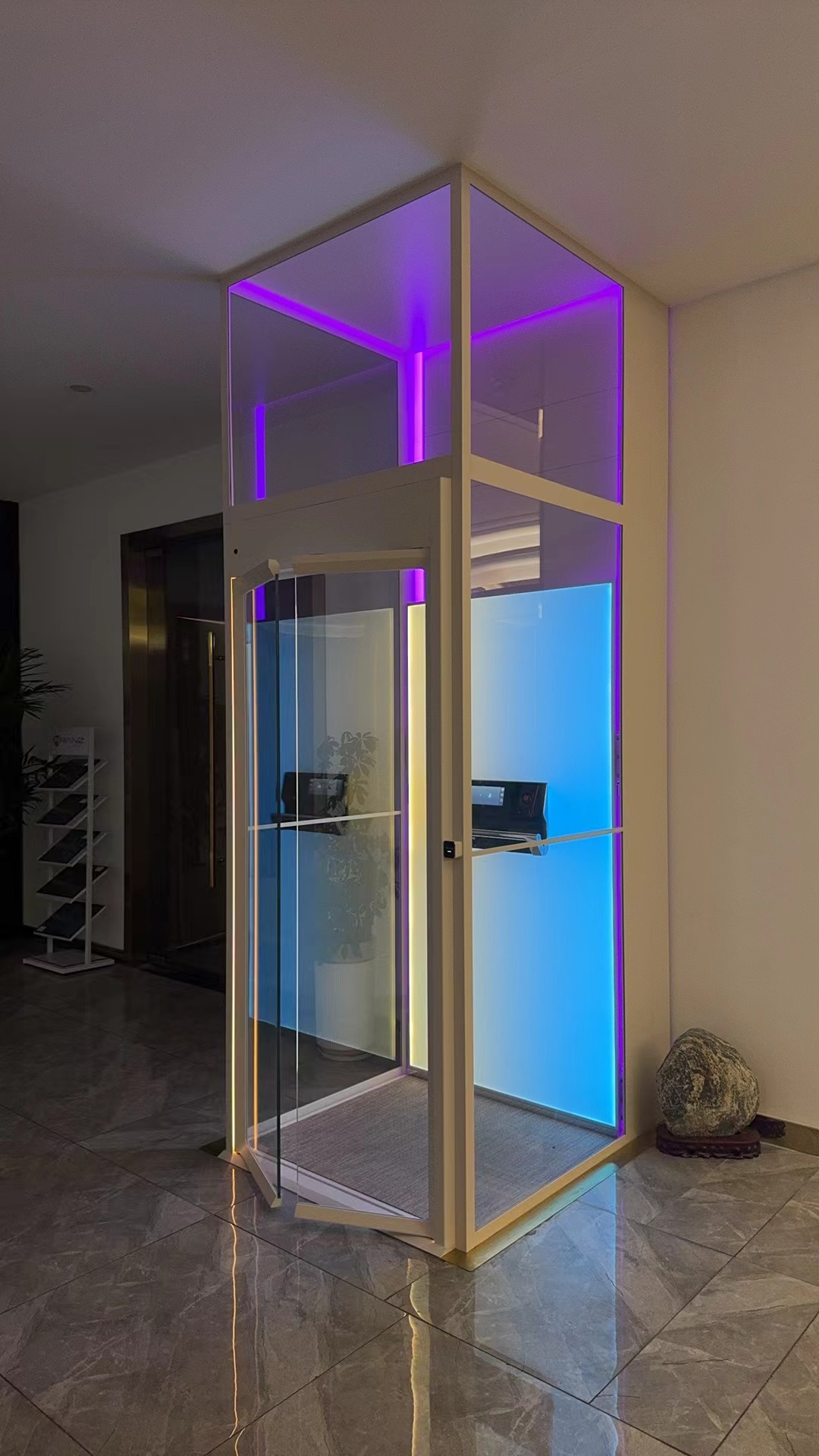
An elevator manufacturer has used customized light guide panels for elevator decoration across a relationship that has run for 20 years, covering 10,000 units with stable operation. The customization in that project centered on lighting, printing, and customized size and texture - the same variables that govern signage panels.
Hospitality, exhibition, office, and transport interiors
The same panel type is applied in hospitality and commercial interiors, exhibition and museum spaces, office and high-end residential interiors, and transportation and public spaces. In interiors the panel is used both as display backlighting and as a ceiling light panel, and in retail display showcase backlighting with shelf backlighting.
Edge-Lit vs. Direct-Lit Light Guide Panels: Comparison Table
| Decision factor | Edge-lit LGP (Edgelight acrylic, model LGP) | Direct-lit backlight (general architecture) |
|---|---|---|
| Light source position | LEDs along the panel edge; light distributed by a printed or laser-dotted pattern | LEDs distributed across the rear of the enclosure, facing a diffuser |
| Profile and depth | Ultra-slim: edge-lit panels can reach 2.0 mm via injection molding or 3.0 mm via laser dotting (Lightpanel) | Requires depth behind the panel to blend the output of individual LEDs |
| What controls uniformity | The dot pattern, designed per panel size and viewing distance | The diffuser film and the spacing of the rear light sources |
| Published luminous flux | Above 1080 lm | Not part of Edgelight's published LGP specification; defined per assembly |
| Power figures | 101 W typical; 144 W maximum; 7.2 A maximum operating current | Dependent on light source count and driver; must be specified per enclosure |
| Operating environment | -20°C to 50°C; protection grade IP20 to IP65 depending on configuration | Defined by the enclosure design rather than by the panel alone |
| Service access | Light source sits at the panel edge, so access is normally from the frame edge | Rear light sources generally require rear access to the box |
| Typical project fit | Ultra-slim LED light boxes, showcase and shelf backlighting, elevator and interior panels | Deep enclosures where rear service access exists and depth is not constrained |
| Customization path | Size, thickness, color temperature, logo, surface shape, brightness, installation structure | Dependent on the assembly supplier rather than on a standardized panel |
Frequently Asked Questions
Do light guide panels for LED light boxes need UL 8750 or IEC 60598 compliance?
LED equipment and luminaires are typically tested against UL 8750 (LED Equipment) and IEC 60598 (Luminaires) for global market access, as described by UL Solutions. Those standards apply to the finished luminaire or light box assembly rather than to the acrylic panel on its own, so the compliance scope should be confirmed with the light box builder as well as with the panel supplier. Edgelight's light guide panel is supplied with protection grades from IP20 to IP65 depending on configuration and operates between -20°C and 50°C. For projects in the USA, the 2024 International Energy Conservation Code also limits lighting power allowances.
Which light guide panel works better for a 24/7 outdoor light box - edge-lit or direct-lit?
For an outdoor light box running continuously, the deciding factors are weather protection and thermal range rather than the light-extraction method alone. Edgelight's light guide panel application data covers interior and outdoor conditions in a 24/7 operation mode, including an IP55 dustproof and waterproof requirement for the outdoor signage scenario, and the panel itself is rated from -20°C to 50°C. Edge-lit construction is generally the easier fit here because the light source sits at the panel edge, which leaves less interior volume to be sealed against water and dust.
How much power does an edge-lit light guide panel consume?
The published specification for the Edgelight light guide panel (model LGP) lists a typical power consumption of 101 W, a maximum power of 144 W, and a maximum operating current of 7.2 A. These figures form the electrical and thermal budget for a light box. The allowance that applies at the installation site is set by local code - the 2024 International Energy Conservation Code reduces lighting power allowances in the USA - and luminous flux above 1080 lm indicates the light output available from the same configuration.
What should I look for in a light guide panel manufacturer for LED light boxes?
Three items can be checked before an order is placed: quality control, customization scope, and supply terms. On quality control, Edgelight applies 100% testing to light guide panels. On customization, size, thickness, color temperature, logo, surface shape, light output brightness, and installation structure can be specified under an OEM / ODM production mode. On supply, the MOQ is 1 unit, standard lead time is 5-10 days, monthly capacity is 30,000 units, and local after-sales support is provided in export markets. Edgelight was founded in 2004 and exports to the European Union, North America, Southeast Asia, and Australia.
What are the MOQ, sample, and lead-time terms for a custom light guide panel?
Custom light guide panels are supplied with an MOQ of 1 unit and a lead time of 5-10 days, with size, thickness, and surface shape confirmed before production because the dot pattern is generated for the final panel dimensions. Every panel is 100% tested, and a sample order is the normal way to validate uniformity and brightness on the actual sign face. To request a sample or a quote, download the LED product catalog or send the panel size, thickness, color temperature, and quantity to info@edgelight.com or WhatsApp +8617701891091.
Conclusion: Match the Architecture to the Enclosure
Choosing between edge-lit and direct-lit light guide panels is a constraint-matching exercise rather than a technology ranking. When the sign face has to stay slim and the enclosure is shallow, an edge-lit acrylic light guide panel is the architecture that fits, and the published specification - luminous flux above 1080 lm, 101 W typical power consumption, an operating range of -20°C to 50°C, and protection grades from IP20 to IP65 - provides the numbers to check against the project requirements. When there is real depth behind the panel and the sign can be serviced from the rear, a direct-lit backlight remains a valid alternative.
In both cases, the deciding evidence is a tested sample on the actual sign face, not a data sheet comparison alone.
Next Step: Sample, Quote, or Catalog
Edgelight supplies custom acrylic light guide panels for advertising light boxes, commercial signage, retail display, and interior applications, with an MOQ of 1 unit and a standard lead time of 5-10 days.
- Download the LED product catalog (PDF)
- Email: info@edgelight.com
- WhatsApp: +8617701891091
- Tel: +86-21-57603573
- Address: No.218 Shenshen Road, Songjiang District, Shanghai, China
- Website: en.edgelight.com
Have Questions or Need More Details?
Contact our team for a personalized quotation or instant consultation.
Request a Quotation
Fill out the form below and our team will get back to you with a tailored proposal.
WhatsApp Direct Chat
Prefer to chat in real-time? Message us on WhatsApp for instant assistance & quick answers.
- Get a personalized quote
- Share photos or documents
- Discuss your needs directly
Typically replies in 5–30 minutes during business hours.