
Custom Light Guide Panel OEM: A Capability Evaluation Checklist Before You Order
A custom light guide panel for LED light box OEM work is not a commodity purchase. The visible result — uniform brightness, clean edges, consistent color — depends less on the acrylic sheet itself and more on the manufacturer’s ability to control dot patterns, thickness, surface treatment, printing, and every downstream assembly step. This article gives buyers a practical capability evaluation framework for acrylic light guide panel (LGP) sourcing, then uses Shanghai-based EDGELIGHT as a concrete example of how a custom-size light guide panel supplier can be checked before an order is placed.
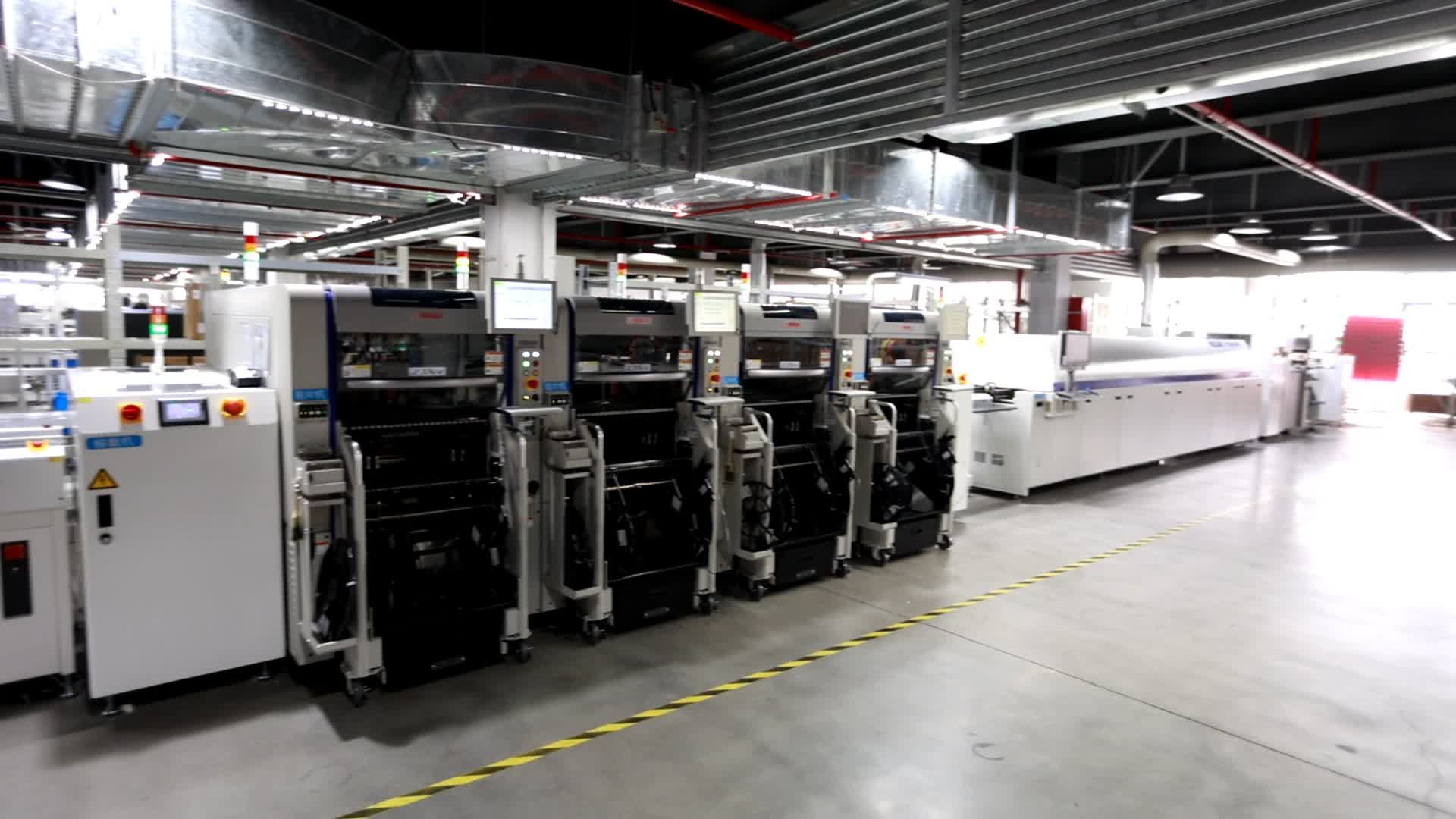
Why OEM Buyers Need a Capability Check, Not Just a Price Quote
The core engineering challenge of an edge-lit light guide panel is distribution: LEDs are placed at the edges, and the panel must extract light evenly across the entire viewing surface. Any error in the dot pattern design, printing registration, UV cutting, edge polishing, or material flatness can create bright bands, dark zones, or a washed-out gradient in a finished LED light box.
For buyers in the evaluation-to-execution stage, the real risk is not finding a supplier who says yes to custom dimensions. The risk is awarding a project to a supplier that lacks control over the process behind those dimensions. A reliable custom LGP OEM partner should be able to explain how it handles size, thickness, color temperature, logo application, surface shape, brightness tuning, and installation structure — because those variables directly change the optical result of the panel.
In this article, Edgelight is used as a working example. It is an established Chinese manufacturer founded in 2004, with headquarters in Shanghai and production operations across multiple locations, and it supplies custom acrylic light guide panel solutions to LED display and advertising lighting buyers worldwide.
Industry Context: LGP Demand Is Moving Toward Custom, Thin, and Display-Grade Panels
Industry research helps explain why OEM buyers are increasingly looking for light guide panel suppliers with real customization depth. The global Light Guide Plate market was valued at USD 3.91 billion in 2025 and is projected to reach USD 6.51 billion by 2034, representing a 5.8% CAGR over the forecast period, according to Dataintelo. Asia Pacific accounted for the largest regional revenue share in 2025 at 48.2%, while consumer electronics represented the largest application segment with a 42.5% share.
Material-level data reinforces the trend toward precision LGP manufacturing. According to USD Analytics, the global polymethyl methacrylate (PMMA) market — the primary raw material for acrylic light guide panels — was valued at USD 5.4 billion in 2024. In display-grade LGP substrates, thin sheets below 2 mm accounted for more than 60% of shipments from major manufacturers in 2024, according to Fact.MR and CHI MEI Corporation. Edge-lit light guide panels can also be made ultra-thin: profiles of roughly 2.0 mm are achievable through injection molding, while laser-dotted PMMA panels typically reach about 3.0 mm thickness.
For an OEM light box project, these general numbers matter because they set expectations. A custom backlit light guide panel may tolerate a thicker core, while an ultra-thin light guide panel for slim light boxes requires a much higher level of process capability. Buyers should therefore verify not just the panel supplier’s catalog, but whether the supplier has production evidence for the specific specification they need.
What a Custom LGP OEM Capability Audit Should Cover
When evaluating a light guide panel for LED light box OEM work, procurement teams should check six major production capabilities. Edgelight is used below as a reference case because its published specifications are verifiable and specific.
1. Customization Scope
Edgelight offers OEM and ODM production services with customization technical support for size, thickness, color temperature, logo, surface shape, light output brightness, and installation structure. This list is important because it separates a genuine custom-size light guide panel supplier from a company that only cuts stock sheets. Most LED light box brands need at least two or three of these variables changed for every project.
2. Scalability and Lead Time
Custom LGP buyers should ask about monthly capacity and realistic lead time before committing to a program. Edgelight’s OEM/ODM production capability includes a monthly output of 30,000 units and a typical lead time of 5–10 days. These figures give procurement teams a baseline for planning retail display rollouts, sign programs, or lighting product launches.
3. Low-Volume Flexibility
A low minimum order quantity is especially useful for companies that move from sample validation into production. Edgelight’s MOQ is 1 unit, which means a buyer can test a custom acrylic light guide panel without committing to a large batch. This is not a standard industry norm; many larger factories set much higher minimums, so confirming MOQ early reduces commercial friction.
4. Quality Control Infrastructure
Capability claims are only meaningful if they are backed by testing. Edgelight reports 100% product testing, and its procurement terms include acceptance through a pre-shipment test. For an OEM buyer, this creates a clear pass/fail gate before goods leave the factory.
5. Certification and Market Access
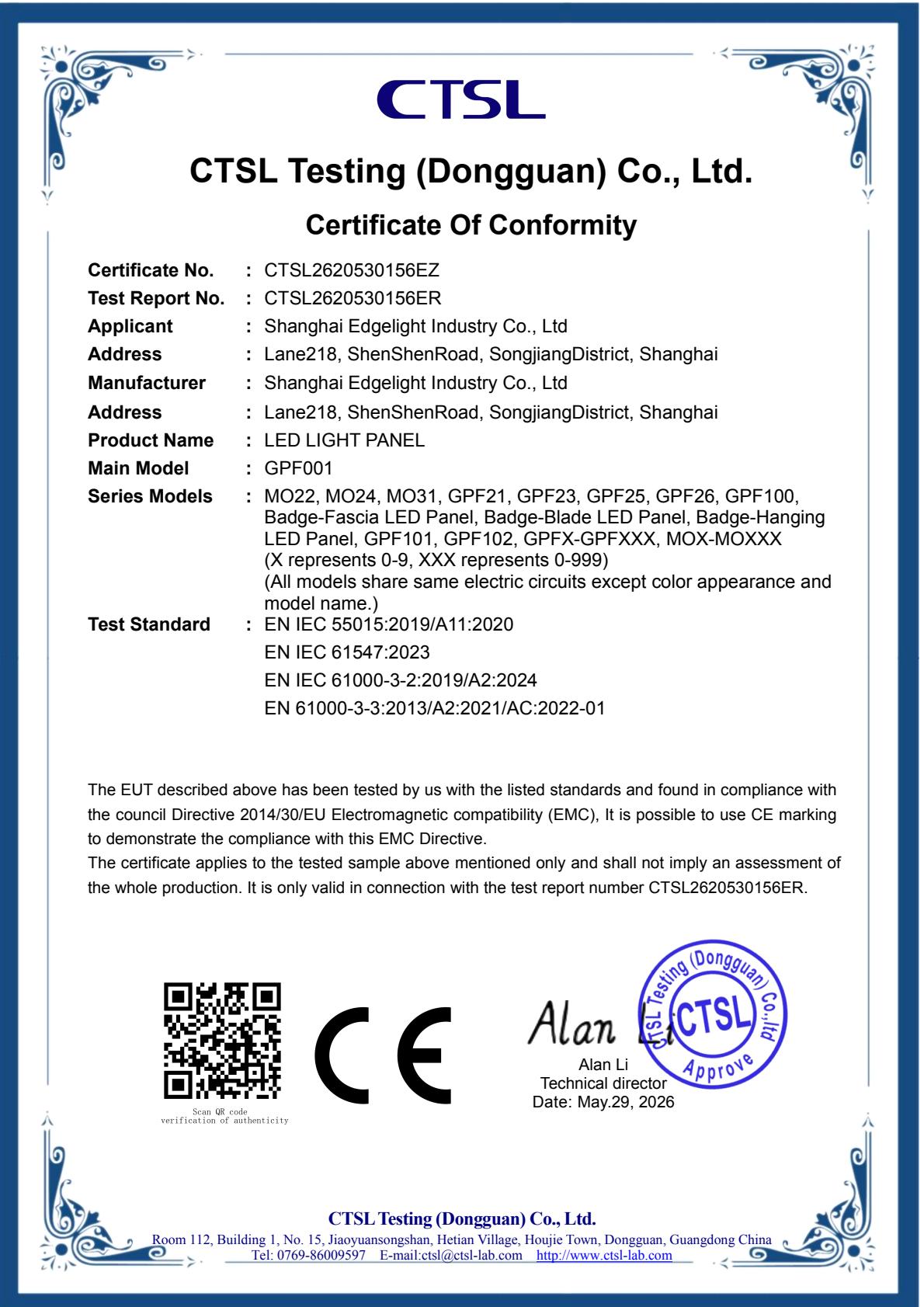
For buyers exporting to the European Union or the United States, certification is part of the manufacturing capability, not just an administrative file. Edgelight holds a CE EMC certificate, CTSL2620530156EZ, covering LED light panel series including GPF001, MO22, MO24, MO31, GPF21, GPF23, GPF25, GPF26, GPF100, GPF101, GPF102, and related GPF/MO series models. It also holds a UL component certificate, UL-US-2145621-0, issued per UL 2108 for sign accessories and LED module products. Buyers should always confirm that the certificate scope matches the exact model number they plan to import.
6. Supporting Infrastructure
Supplier resilience matters when the buyer is an OEM, not a one-time reseller. Edgelight reports roughly 25 R&D engineers, a workforce of about 500 people, and a global manufacturing footprint: Shanghai headquarters (approximately 33,000 m²), Tianjin production base (approximately 20,000 m²), Germany Edgelight GmbH (approximately 1,500 m²), American Edgelight LLC (approximately 1,679 m²), and a second Shanghai factory (approximately 10,000 m²). These structural facts do not guarantee optical quality by themselves, but they help explain how a manufacturer can support repeat custom orders across different regions.
Step-by-Step Supplier Validation Process for Custom LGP
Once the audit criteria are clear, procurement teams can follow a repeatable validation sequence before placing a light guide panel order.
Step 1: Define the application and optical objective.
Decide whether the product will be an edge-lit light guide panel inside a slim LED light box, a backlit light guide panel for a larger sign cabinet, or a decorative panel for architectural lighting. This determines edge thickness, dot pattern density, reflective film, and LED placement.
Step 2: Break the design into manufacturable specifications.
Document width, height, thickness, brightness target, color temperature, viewing angle, surface finish, logo placement, and mounting structure. When requesting a quote from an OEM partner, avoid sending only a visual rendering; include fabrication-level parameters so the factory can respond with process feedback.
Step 3: Verify dot pattern and surface production evidence.
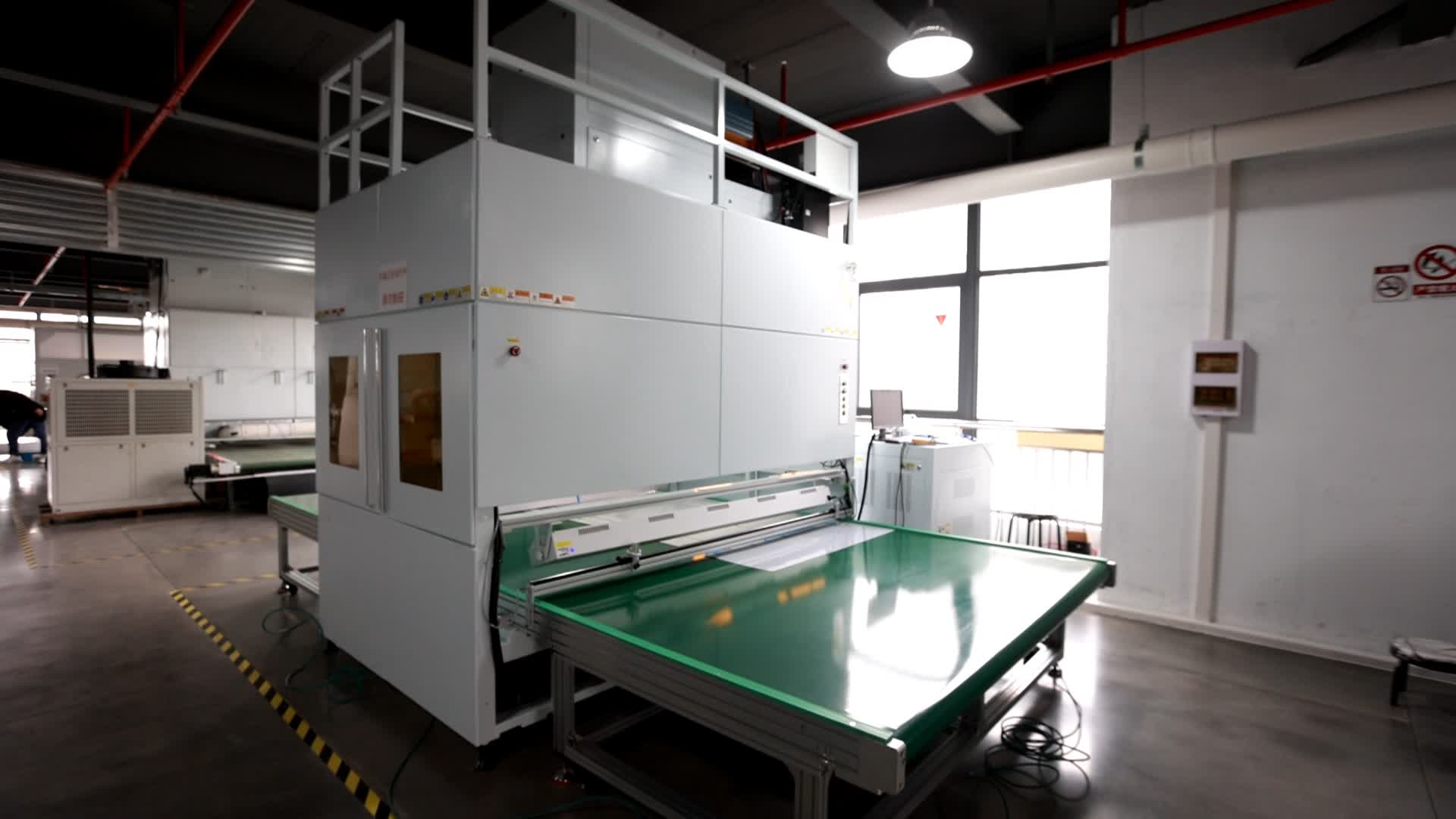
The dot pattern is the part of the LGP that directly controls uniformity. Buyers should ask whether the manufacturer uses printed patterns, laser dotting, or a hybrid process. Laser-dotted acrylic is widely used for 3.0 mm-class edge-lit panels, while printed patterns are common for graphic light boxes. Visit the supplier’s production documentation, ask for in-process photos, or review factory audit records before ordering.
Step 4: Check quality control and inspection points.
Ask each supplier what percentage of products is tested and what happens if a panel fails. In Edgelight’s case, published quality control states 100% testing, and its standard acceptance procedure includes a pre-shipment test. A buyer should never assume that a CE or UL certificate removes the need for incoming inspection; certificates prove design compliance, while pre-shipment testing verifies the actual batch.
Step 5: Align commercial terms before engineering approval.
For Edgelight, standard procurement terms include FOB/CIF delivery, a 30% deposit with the remaining 70% due before shipment, and MOQ of 1 unit. Knowing these terms early helps buyers plan cash flow and avoids surprises after months of quoting.
Step 6: Use the pilot unit as a first-article validation.
Because Edgelight’s MOQ is 1 unit, a buyer can treat the first unit as a pre-production validation sample. This is particularly useful for custom-size light guide panel programs where tooling, film application, or mounting structure has never been tested with your exact LED configuration.
Use Case: Long-Term Custom LGP Supply for Elevator Decoration
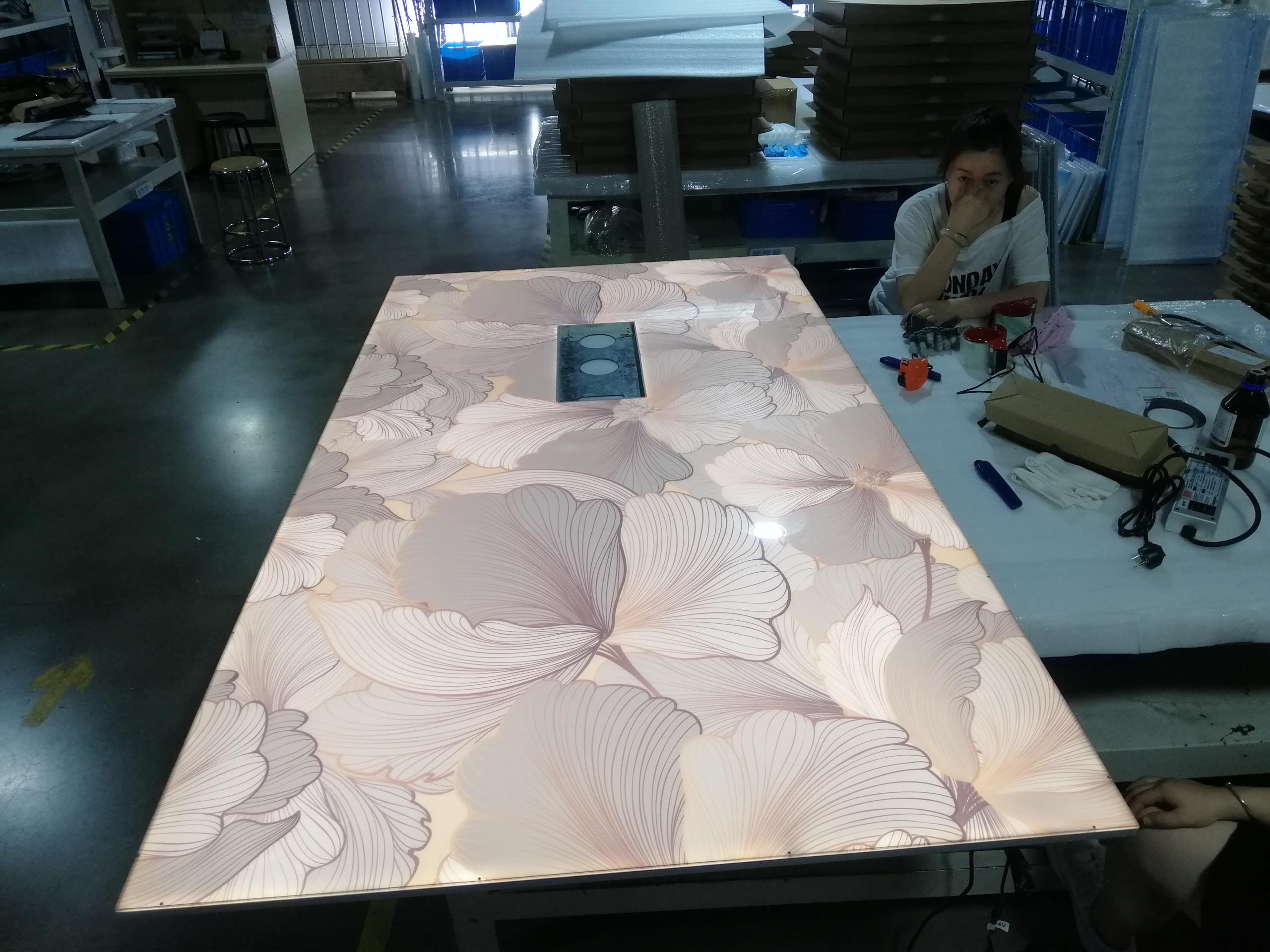
OEM capabilities are easier to evaluate when they have a documented real-world application. Edgelight has supplied light guide panels to a global elevator manufacturer for elevator decoration work. The client type is an elevator manufacturer with a worldwide market, and the cumulative quantity supplied is approximately 10,000 units. The relationship has spanned about 20 years, and the result reported in Edgelight’s case file is stable operation.
The application involved lighting, printing, and customized size and texture. This kind of specification requires more than a standard acrylic sheet. Elevator interior panels must match architectural finishes, maintain consistent luminance in thin cavities, and survive long service intervals. The case demonstrates why buyers should evaluate suppliers using multiple evidence types: product customization records, production capacity, and multi-year relationship stability.
Comparison Table: Capability Review for a Custom Light Guide Panel OEM Partner
The table below summarizes the questions a procurement team should ask any acrylic light guide panel manufacturer and the documented Edgelight evidence used in this article.
| Buyer Decision Point | What To Verify | Documented Edgelight Evidence |
|---|---|---|
| Customization depth | Can the supplier change more than the panel size? | OEM/ODM services for size, thickness, color temperature, logo, surface shape, brightness, and installation structure |
| Production volume | Can the supplier support program scale-up? | Monthly OEM/ODM capacity of 30,000 units |
| Lead time | What is the typical time from order to shipment? | Typical lead time of 5–10 days |
| Low-volume entry | Can the buyer validate before committing to large quantities? | MOQ of 1 unit |
| Quality control | Are panels tested and can shipment be inspected? | 100% test; acceptance via pre-shipment test |
| Export terms | Are logistics and payment terms aligned with importer expectations? | FOB/CIF terms; payment of 30% deposit and 70% balance before shipment |
| Certification access | Does the product file support EU and US market requirements? | CE EMC certificate CTSL2620530156EZ; UL certificate UL-US-2145621-0 per UL 2108 |
| Long-term reference | Is there proof of stable custom supply? | Global elevator manufacturer, about 10,000 units supplied over approximately 20 years |
This table is not a substitute for sending your actual drawing to a factory. It is a decision framework that helps buyers separate marketing language from documented light guide panel manufacturing capability.
FAQ
What certifications should a custom light guide panel OEM supplier have for EU and US projects?
For EU projects, buyers should look for a CE EMC certificate that explicitly names the relevant LED panel series. Edgelight holds CE EMC certificate CTSL2620530156EZ, which covers its GPF001 and MO24/MO31 series light panels among related models, under standards including EN IEC 55015 and EN IEC 61547. For US-bound components, Edgelight holds UL certificate UL-US-2145621-0 issued in accordance with UL 2108 for sign accessories and LED module products. Certificate scope should always be checked against the exact model number on the purchase order.
What customization capabilities matter most when sourcing a light guide panel for LED light box OEM?
The most valuable customization capabilities for LED light box OEM buyers are size, thickness, color temperature, logo application, surface shape, light output brightness, and installation structure. Edgelight offers OEM and ODM production services covering all of these variables. When a supplier can control brightness and color temperature as part of the panel design, the buyer avoids expensive changes later in the manufacturing process.
What are the MOQ and payment terms for custom light guide panels?
Edgelight’s published MOQ is 1 unit, which makes it possible to validate a custom acrylic light guide panel without committing to a production batch. Its standard export terms are FOB/CIF, with payment structured as 30% deposit and the remaining 70% due before shipment. Buyers should confirm whether these terms apply to their specific product series during the quotation stage.
Can I use the first unit as a sample to validate my custom LGP specification?
Yes. Because Edgelight’s MOQ is 1 unit, the first piece can function as a pre-production validation unit for your light guide panel design. Acceptance is supported by a pre-shipment test, which creates a clear verification point before the panel is dispatched. For custom size, thickness, or installation structure changes, this first-article approach reduces the risk of approving a design that has never been physically tested.
How long does a custom light guide panel order take after specification approval?
Edgelight’s published OEM/ODM production capability includes a typical lead time of 5–10 days after the specification and order are confirmed. Actual lead time may vary depending on the specific LGP model, surface finish, printing requirements, and logistics plan. For a precise schedule based on your drawing, contact Edgelight directly with your panel size and quantity.
Get a custom light guide panel quotation for your OEM LED light box project. Send your drawing, target size, brightness, color temperature, and installation structure to Edgelight, or download the English LED product catalog below.
Conclusion
A custom acrylic light guide panel for LED light box OEM is only as reliable as the manufacturing process behind it. Buyers moving from evaluation to execution should verify customization scope, monthly capacity, MOQ, quality control, certification scope, and long-term supply evidence before placing an order.
Edgelight offers a practical reference point: OEM/ODM customization across size, thickness, color temperature, logo, surface shape, brightness, and installation structure; a monthly capacity of 30,000 units; MOQ of 1 unit; 100% testing with pre-shipment acceptance; documented CE and UL certificates; and a global elevator manufacturer reference spanning roughly 20 years. These facts give buyers a clearer basis for supplier comparison and a safer path to uniform illumination in their next light box program.
Have Questions or Need More Details?
Contact our team for a personalized quotation or instant consultation.
Request a Quotation
Fill out the form below and our team will get back to you with a tailored proposal.
WhatsApp Direct Chat
Prefer to chat in real-time? Message us on WhatsApp for instant assistance & quick answers.
- Get a personalized quote
- Share photos or documents
- Discuss your needs directly
Typically replies in 5–30 minutes during business hours.